
Amy Owens
LMHCIndiana · 40 yrs exp
Licensed Mental Health Counselor - Mood and relationships
Stress, Anxiety · Relationship · Grief · Depression · +1 more
Read profileTherapist listings come from BetterHelp. We will earn a commission at no extra cost to you if you use our links to buy.
A Licensed Mental Health Counselor (LMHC) is a state-licensed professional who assesses and treats emotional and behavioral concerns using talk therapy and related interventions. Browse verified LMHC therapists listed below to review their specialties, approaches, credentials, and languages.
Indiana · 40 yrs exp
Licensed Mental Health Counselor - Mood and relationships
Stress, Anxiety · Relationship · Grief · Depression · +1 more
Read profile
Florida · 3 yrs exp
Licensed Mental Health Counselor - Mood and Relationships
LGBT · Relationship · Trauma and abuse · Grief · +1 more
Read profile
Florida · 11 yrs exp
Licensed Mental Health Counselor - Mood and Addiction concerns
Addictions · Trauma and abuse · Grief · Bipolar · +1 more
Read profile
Indiana · 9 yrs exp
Licensed counselor - Mood and relationship concerns
Family · Grief · Anger · Self esteem · +12 more
Read profile
New York · 6 yrs exp
Licensed Mental Health Counselor - Mood and relationships
Stress, Anxiety · Self esteem · Depression · Coping with life changes · +2 more
Read profile
South Carolina · 27 yrs exp
LPC LMHC - Mood and anxiety support
Stress, Anxiety · Grief · Parenting · Depression · +3 more
Read profile
New York · 4 yrs exp
LMHC - Mood and Addictions
Stress, Anxiety · Addictions · Grief · Depression · +1 more
Read profile
Florida · 4 yrs exp
Licensed Mental Health Counselor - Mood disorders, Anxiety
Stress, Anxiety · Trauma and abuse · Self esteem · Bipolar · +1 more
Read profile
Florida · 20 yrs exp
Licensed Mental Health Counselor - Mood and Relationships
Stress, Anxiety · Relationship · Family · Self esteem · +9 more
Read profile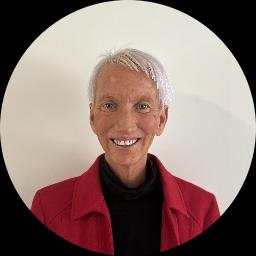
Pennsylvania · 15 yrs exp
LMHC and LPC - Mood and anxiety care
Stress, Anxiety · Trauma and abuse · Sleeping · Self esteem · +9 more
Read profile
Florida · 17 yrs exp
Florida LMHC - Mood and Relationship concerns
Stress, Anxiety · Addictions · Relationship · Family · +14 more
Read profile
Florida · 24 yrs exp
LMHC in Florida - Mood and life changes
Stress, Anxiety · Grief · Depression · Coping with life changes · +13 more
Read profile
New York · 10 yrs exp
Licensed Mental Health Counselor - Mood and Anxiety
Stress, Anxiety · Relationship · Family · Depression · +1 more
Read profile
Florida · 5 yrs exp
LMHC - Mood and Anxiety support
Stress, Anxiety · LGBT · Relationship · Trauma and abuse · +1 more
Read profile
Florida · 25 yrs exp
Florida LMHC - Mood and stress concerns
Stress, Anxiety · Addictions · Relationship · Depression · +1 more
Read profile
Florida · 11 yrs exp
Dr. Mary Torok, LMHC - Mood and life transitions
Stress, Anxiety · Family · Trauma and abuse · Self esteem · +13 more
Read profile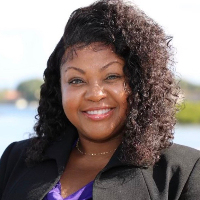
Florida · 9 yrs exp
LMHC - Mood and Anxiety concerns
Stress, Anxiety · Family · Parenting · Anger · +11 more
Read profile
Florida · 15 yrs exp
Licensed Mental Health Counselor - Mood and Life Stress
Stress, Anxiety · Trauma and abuse · Self esteem · Depression · +11 more
Read profile
Florida · 4 yrs exp
LMHC in Florida - Mood and anxiety concerns
Stress, Anxiety · Trauma and abuse · Anger · Self esteem · +1 more
Read profile
New York · 3 yrs exp
LMHC in New York - Mood and relationships
Stress, Anxiety · LGBT · Family · Trauma and abuse · +15 more
Read profile
Florida · 11 yrs exp
Licensed counselor - Mood and coping support
Stress, Anxiety · Addictions · Anger · Self esteem · +11 more
Read profile
Florida · 17 yrs exp
Licensed Mental Health Counselor - Mood and Anxiety
Stress, Anxiety · LGBT · Self esteem · Depression · +1 more
Read profile
Florida · 10 yrs exp
LMHC - Mood and Anxiety concerns
Stress, Anxiety · Addictions · Self esteem · Depression · +12 more
Read profile
Florida · 15 yrs exp
LMHC - Family and Parenting focus
Family · Parenting
Read profileIf you are exploring mental health care, understanding what LMHC stands for can help you make informed choices. An LMHC designation indicates that a clinician has met state-specific requirements to practice as a mental health counselor. Those requirements commonly include completing a graduate degree in counseling or a closely related field, accumulating a required number of supervised clinical hours after the degree, and passing a state or national licensing exam. Because licensing requirements vary by state, the exact education and supervised experience needed can differ, but the path centers on graduate-level training plus post-degree supervision and formal licensure.
When you read a profile that lists LMHC after a clinician's name, you can expect that they have completed the administrative steps required by their licensing board. That process is intended to ensure a standardized baseline of education and practice oversight. While licensure establishes that a professional is authorized by the state to offer counseling services, it does not prescribe a single style of therapy. Many LMHCs draw on a range of therapeutic approaches, and you will often see that reflected in how they describe their work and whom they serve.
You may wonder how LMHCs compare with other mental health credentials. LMHCs are trained to evaluate, diagnose, and treat a wide range of emotional and behavioral conditions, with an emphasis on talk-based interventions and counseling strategies. In many states LMHCs have prescribing restrictions that differ from those of medical professionals, so medication management is generally handled by psychiatrists or primary care providers in collaboration with counselors when appropriate.
Because different credentials come from different educational paths, knowing how they differ can help you choose. Psychologists typically hold doctoral degrees and may be involved in psychological testing and assessment in addition to therapy. Clinical social workers, often listed as LCSWs or LICSWs, bring social work training and may emphasize systems, case management, and community resources. Marriage and family therapists focus on relationships and family systems. LMHCs focus broadly on mental health counseling and often work across individual, couple, and group formats. If you want a clinician with a particular skill set, look at the ways therapists describe their focus areas, approaches, and the populations they serve to find the best match for your needs.
LMHCs work with many of the common concerns people seek help for, and you will find clinicians who focus on depression, anxiety, trauma, grief, adjustment to life transitions, relationship struggles, and stress management. You may also find LMHCs who emphasize work with adolescents, older adults, military-connected families, LGBTQ+ populations, or specific cultural communities. Many therapists describe specialties such as trauma-focused care, perinatal mental health, substance-related concerns, and issues related to identity and life-stage transitions.
Approaches used by LMHCs vary, and profiles often list the methods a therapist uses. You will see therapists who list cognitive-behavioral approaches among their approaches, therapists who list mindfulness-based work, therapists who list psychodynamic approaches, and therapists who list EMDR among their approaches. That phrasing reflects how clinicians present their methods rather than a claim about formal endorsements or certifications. If you prefer a particular style of work - for example, skills-based strategies, insight-oriented exploration, or somatic awareness - look for therapists who describe that direction in their profile and describe how they apply it with clients.
When you want to confirm that a clinician holds an LMHC credential, the most direct path is the state licensing board that oversees mental health counselors. Most state boards maintain an online license verification tool where you can enter a name or license number to view status, expiration date, and any public disciplinary history. You can also request a license number on a therapist's profile and then run the lookup yourself. Checking the licensing board record helps you verify that the credential is current and recognized by the state.
Beyond the licensing board, you can review a clinician's educational background, supervised experience details, and any professional memberships they list. When you read profiles, notice whether a clinician lists a license number, state of licensure, or a link to the licensing board. If that information is not present, you can contact the clinician or the licensing board directly for confirmation. Remember that licensure rules and titles vary across states, so checking the issuing board is the most reliable step to confirm a credential.
Choosing an LMHC can offer several practical benefits depending on what you want from therapy. LMHCs are trained to provide assessment and talk-based interventions for a wide range of mental health concerns, and their licensure indicates adherence to state standards for education and supervised practice. You may find that LMHCs combine clinical knowledge with a counseling orientation that emphasizes coping strategies, symptom management, and functional goals aimed at improving daily life.
When you search for the right LMHC, start by clarifying what you want from therapy. Think about the issues you want to address, whether you prefer short-term skills work or longer-term exploration, and whether cultural competence or language match is important to you. Use therapist profiles to compare specialties, approaches, years of experience, and languages spoken. Pay attention to how clinicians describe their work with certain populations or issues, and look for descriptions that resonate with your goals. Consider practical matters like whether a therapist lists session formats such as in-person or online, accepted insurance plans, and fee options including sliding scale arrangements. If you want to gauge fit, reading a therapist's statement about their therapeutic philosophy and typical session structure can help you anticipate how they might work with you.
Finally, trust your judgment about rapport and comfort. A good therapeutic relationship is shaped by clear communication, mutual respect, and a sense that the therapist understands your priorities. Use the information on profiles to narrow your search, then reach out with questions about approach and logistics to help you determine who feels like the right match for your path forward.
Finding an LMHC who aligns with your needs is a process. If you start with a clear sense of your priorities and use licensure checks and profile details to confirm credentials and approaches, you can compare options with confidence. The goal is to connect with a clinician whose focus, language, and style fit what you are looking for so you can begin a collaborative process aimed at addressing the concerns that brought you here.