- Mood disorders focus
- Addictions and relapse
- Anxiety and OCD
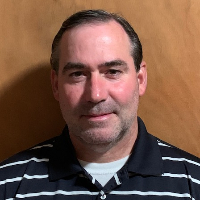
About Aaron
Aaron Duckworth is an LCSW with 10 years of clinical experience, licensed in Oklahoma. He works with people facing mood struggles, anxiety, addiction, trauma, and related concerns such as obsessive thoughts and self-harm.
Aaron focuses on helping people reduce symptoms that get in the way of everyday life. He often works with those dealing with depression, panic, grief, relationship strain, and problems connected to substance use. He also supports people who are managing money worries, career stress, parenting challenges, and midlife transitions.
His approach is straightforward. Aaron builds a working alliance and helps clients set practical goals they want to change. He uses methods that encourage clear thinking and small, doable steps toward better functioning. Clients are invited to choose priorities and make decisions without judgment.
Therapeutic tools he draws on include cognitive behavioral work to spot unhelpful thinking, mindfulness practices to reduce reactivity, acceptance and commitment ideas to clarify values, and motivational interviewing to strengthen reasons for change. He also uses solution-focused techniques to identify what is already working and expand on it.
Aaron brings specific experience with addictions and co-occurring conditions, relapse prevention, and veteran-related issues. He keeps a small caseload so he can give focused support and more consistent attention to each person he works with.
Therapeutic approaches used in online work
Aaron commonly uses cognitive behavioral therapy and acceptance and commitment therapy in his work. Cognitive behavioral therapy focuses on identifying unhelpful thinking and testing it against everyday evidence, which can lower anxiety and reduce depressive patterns. Acceptance and commitment therapy helps people notice what matters to them and take small committed steps toward those values even when uncomfortable feelings are present.He also uses mindfulness techniques to help with strong reactions and intrusive thoughts. Mindfulness practice teaches simple attention skills that can lessen reactivity and make it easier to follow through on chosen actions. These approaches are practical and often paired together to address mood swings, obsessive thinking, and urges linked to substance use.
Finding the right mix of approaches is part of the work. He will collaborate with each person to decide which methods fit their goals and preferences and will adjust the plan over time based on what helps most.
Confirm the specific session formats offered before booking, as they are not listed here. Online sessions can make it easier to fit therapy into a busy week, allow shorter check-ins when needed, and remove travel time so appointments can occur during breaks in the day.
Areas of expertise
Primary focus
Also works with
Additional focus areas
Therapeutic approaches
Experience
10+ years
Credentials
Oklahoma
Languages
English
Frequently asked questions
What concerns does he work with?
He helps people with mood difficulties, depression, anxiety, trauma, addictions, obsessive thoughts, self-harm, grief, relationship strain, and related life stressors.
What is his therapeutic style?
He builds a working alliance and supports clients to set practical goals. His style emphasizes client choice and nonjudgmental problem solving.
How much clinical experience does he have?
He has 10 years of experience working in behavioral health settings, including addiction and co-occurring disorders.
What credentials and where does he practise?
He is an LCSW licensed in Oklahoma.
What languages are sessions offered in?
Sessions are offered in English.
Does he work with international clients?
He does not accept international clients at this time.
How are sessions paid for?
Cost varies with location and sessions use a subscription that can be canceled at any time.
How do I begin a first session?
Select the See online therapy options button, complete a short matching questionnaire, and schedule a first session.
Before you reach out
- Check that the state license on record covers the state you live in.
- You do not need a diagnosis or the right words. Saying "my mood has been up and down" or "I have felt low for weeks" is a fine place to start.
- Counselors offer talking support. Questions about medication belong with a doctor or psychiatrist, and the two can go side by side.
- A profile shows the topics a counselor lists; it is not a diagnosis or a promise of any result.
If you feel unsafe right now, call or text 988, or call 911.