- Stress and anxiety
- Addictions support
- Harm reduction approach
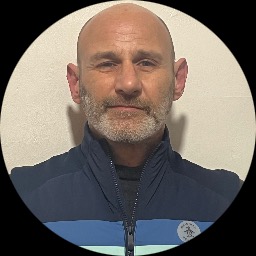
About Andrew
Andrew Verity is a Licensed Mental Health Counselor (LMHC) in New York with 15 years of experience. He works with people facing stress, anxiety, addiction, relationship strain, and depression. He also addresses mood disorders, panic attacks, and social anxiety. Andrew’s background includes corrections counseling and work in an LGBTQ and HIV/HepC addictions clinic in western New York.
He spent the first seven years of his career in corrections, where he learned to work with people under pressure. He then moved into community clinic work focused on LGBTQ clients and substance use, before practicing in another clinic and later opening his own practice. That range informs his practical approach.
Sessions are communication focused and influenced by harm reduction principles. He emphasizes clear conversation about behaviors, choices, and manageable changes rather than all-or-nothing rules. Clients can expect straightforward discussion about patterns, cravings, coping responses, and relationship dynamics.
Andrew pays attention to control issues, guilt and shame, and how these shape mood. He helps people talk through problems with communication and boundaries. He also supports work on self-regard and rebuilding daily routines when low mood gets in the way.
People seeking help for stress, panic, addiction-related concerns, or ongoing low mood will find a clinician with long experience in both institutional and community settings. Andrew practices in New York and holds the LMHC credential.
How therapeutic approaches are used in online sessions
Andrew’s practice emphasizes communication-focused work and harm reduction. Communication-focused work looks at how people speak and listen in important relationships and public settings, then practices clearer ways to express needs and limits. It can help with conflicts, social anxiety, and relationship stress.Harm reduction concentrates on reducing the negative effects of substance use or risky behavior without insisting on total abstinence. It supports practical steps such as safer use, reduced frequency, or strategies to manage cravings and setbacks. This approach is useful for people struggling with addictions and for those who find absolute rules unhelpful.
Finding the right approach is part of the therapy process. The therapist will work collaboratively to identify which techniques fit the client’s goals, preferences, and current life demands. Sessions typically begin with a clear discussion of priorities and a plan that can be adjusted over time.
Session formats are not specified in the biography, so please confirm current options before booking. Online work can make it easier to fit appointments into a busy week, reduce travel time, and allow shorter check-ins when needed. Therapists and licensed professionals often adapt exercises, communication skills practice, and harm reduction planning to an online setting so work continues between sessions.
Areas of expertise
Primary focus
Additional focus areas
Experience
15+ years
Credentials
New York
Languages
English
Frequently asked questions
What concerns does he focus on?
He works with stress, anxiety, addictions, relationship strain, and depression, and also addresses mood disorders, panic attacks, and social anxiety.
What is his therapy style?
Sessions are communication based and guided by harm reduction principles, focusing on practical conversation about behaviors and choices.
How much experience does he have?
He has 15 years of clinical experience, including seven years in corrections counseling and time in an LGBTQ and addictions clinic.
What credentials and location apply?
He holds the LMHC credential and practices in New York.
Which languages are sessions offered in?
Sessions are offered in English.
Does he work with international clients?
He is not currently accepting international clients.
How are sessions paid for?
Cost varies with location and sessions use a subscription that can be canceled at any time.
How do I begin working with him?
Choose the See online therapy options button, complete a short matching questionnaire, and schedule your first session.
Before you reach out
- Check that the state license on record covers the state you live in.
- You do not need a diagnosis or the right words. Saying "my mood has been up and down" or "I have felt low for weeks" is a fine place to start.
- Counselors offer talking support. Questions about medication belong with a doctor or psychiatrist, and the two can go side by side.
- A profile shows the topics a counselor lists; it is not a diagnosis or a promise of any result.
If you feel unsafe right now, call or text 988, or call 911.