- Mood disorders
- Anxiety and stress
- Addictions and relapse
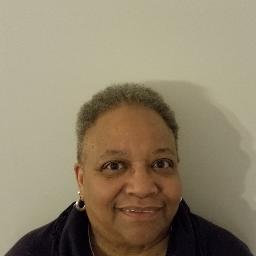
About Annette
Dr. Annette Burns Porter is a Licensed Clinical Professional Counselor (LCPC) in Maryland with 21 years of experience. She works with people facing stress, anxiety, depression, addictions, trauma, grief, relationship and intimacy concerns, and mood disorders. She also helps with life changes and issues that often come up in midlife and aging.
She takes a collaborative approach and treats each person as the expert on their own life. Sessions focus on practical steps to improve relationships and reach goals. Conversations tend to center on what is happening now and what someone wants to change.
Her background includes work in inpatient and outpatient settings across the lifespan. That has included time with culturally diverse populations and with people at different life stages, from young adults to seniors. Her training includes a Master of Science in Counseling Psychology and a Doctor of Clinical Psychology.
In session she blends methods to fit the person’s needs rather than following a single protocol. She uses techniques drawn from acceptance and commitment work, cognitive behavioral ideas, mindfulness, dialectical behavior approaches, motivational interviewing, and client-centered methods. The focus is on skills and perspectives people can use between sessions.
People who want steady, practical support for mood swings, long low periods, or recurring anxiety often find this approach useful. She can help identify coping strategies, new ways of handling relationships, and steps to reduce harmful behavior patterns. The work is collaborative and goal oriented.
How her approaches translate to online work
Acceptance and Commitment Therapy (ACT) helps people notice unhelpful thoughts and choose actions that align with their values. It can be useful for low mood, anxiety, and problems that come from feeling stuck. Cognitive Behavioral Therapy (CBT) focuses on changing unhelpful thinking and behavior patterns through practical exercises and homework. It is often used for anxiety, depression, and coping with life changes.Finding the right approach is part of the work. The therapist will discuss goals, preferences, and what has or hasn’t helped before. Together they decide which methods to try and adjust the plan as progress is made.
Confirm the current online session options before booking since specific formats are not listed in the biography. Online work can make it easier to fit sessions into a busy week, allow shorter check-ins when time is tight, and reduce travel time. It also supports practicing skills at home and reviewing notes between meetings. Licensed professionals, including this therapist, use these methods to help people apply coping strategies in everyday life.
Areas of expertise
Also works with
Additional focus areas
Therapeutic approaches
Experience
21+ years
Credentials
Maryland
Languages
English
Frequently asked questions
What kinds of concerns does she address?
She works with stress, anxiety, depression, addictions, trauma and related problems such as grief, relationship and intimacy issues, and mood disorders.
What is her therapeutic style?
She uses a collaborative, client-centered style and mixes practical methods chosen to fit each person’s needs.
How much experience does she have?
She has 21 years of clinical experience in inpatient and outpatient settings and with a range of age groups.
What are her credentials and where is she based?
She is a Licensed Clinical Professional Counselor (LCPC) in Maryland and practices from that state.
Does she work in languages other than English?
Sessions are offered in English.
Can people from other countries work with her?
She does not accept international clients at this time.
How are sessions scheduled and what does it cost?
Cost varies with location and sessions use a subscription that can be canceled at any time.
How do I begin if I want to try a session?
Select the See online therapy options button, complete the short matching questionnaire, and schedule a first session.
Before you reach out
- Check that the state license on record covers the state you live in.
- You do not need a diagnosis or the right words. Saying "my mood has been up and down" or "I have felt low for weeks" is a fine place to start.
- Counselors offer talking support. Questions about medication belong with a doctor or psychiatrist, and the two can go side by side.
- A profile shows the topics a counselor lists; it is not a diagnosis or a promise of any result.
If you feel unsafe right now, call or text 988, or call 911.