- Stress and anxiety
- Addictions support
- ADHD and self-esteem
About Ashley
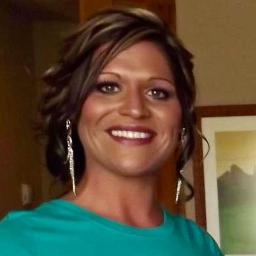
Ashley Owens is an LPC (Licensed Professional Counselor) based in Oklahoma with 19 years of experience. She works with people facing stress, anxiety, addiction, low self-esteem, ADHD, and major life changes. She supports individuals dealing with relationship patterns, abandonment, and communication problems.
Owens works directly and plainly in sessions. She helps clients notice what keeps them stuck and then practices new ways of handling tough moments. Conversations often focus on improving communication, reducing compulsive behaviors, and finding steadier routines when mood or attention fluctuates.
Her background includes longterm clinical work with people affected by substance and process addictions, mood regulation concerns such as disruptive mood dysregulation, and attachment-related problems. She also addresses family-related stresses like blended family issues, adoption and foster care histories, and separation or divorce impacts.
Sessions often look at patterns linked to control issues, codependency, commitment worries, and the emptiness some clients describe. Ashley helps people build clearer self-view and stronger daily coping skills rather than relying on avoidance or impulsive responses.
She frames progress as small, concrete steps. That can mean practicing communication skills, creating structure for ADHD symptoms, or making a plan to reduce alcohol or drug use. People who choose her usually want straightforward guidance and practical strategies they can use between sessions.
Therapeutic approaches and how online sessions work
Ashley uses evidence-based techniques that focus on practical skill building and behavior change. One common approach helps people identify patterns that fuel anxiety, then practices alternative responses to reduce reactivity. This method aims to make daily moods steadier and reduce panic or irritability.Another approach targets addictive and compulsive behaviors through structured steps. Sessions usually include setting clear goals, tracking triggers, and rehearsing replacement actions. This helps people gain control over urges and rebuild routines that support recovery and mood stability.
Choosing the right approach is a collaborative process. She will work with each person to decide which techniques fit their needs, goals, and preferences, and will adjust methods as progress is observed.
Session formats are not specified in the biography, so confirm current options before booking. Many people find online sessions help fit therapy into busy days, allow shorter check-ins, and reduce travel time. Talk with her during the matching process about how to structure appointments so they fit your schedule and daily life.
Areas of expertise
Additional focus areas
Experience
19+ years
Credentials
Oklahoma
Languages
English
Frequently asked questions
What concerns does she focus on?
Ashley works with stress, anxiety, addictions, low self-esteem, ADHD, and life changes. She also addresses attachment issues, codependency, and family-related problems.
What is her therapeutic style?
She uses direct, practical conversations that focus on clear steps and skill practice. Sessions emphasize changing unhelpful patterns and building everyday coping tools.
How much experience does she have?
She has 19 years of experience as a counselor working with a wide range of mood, behavioral, and relational issues.
What are her credentials and where is she located?
She is an LPC, Licensed Professional Counselor, practicing in Oklahoma.
Does she work in languages other than English?
Sessions are offered in English only.
Can international clients work with her?
She does not accept international clients at this time.
How are sessions paid for and what does it cost?
Cost varies with location; sessions use a subscription that can be canceled at any time.
How do I begin working with her?
Select the See online therapy options button, complete a short matching questionnaire, and schedule a first session.
Before you reach out
- Check that the state license on record covers the state you live in.
- You do not need a diagnosis or the right words. Saying "my mood has been up and down" or "I have felt low for weeks" is a fine place to start.
- Counselors offer talking support. Questions about medication belong with a doctor or psychiatrist, and the two can go side by side.
- A profile shows the topics a counselor lists; it is not a diagnosis or a promise of any result.
If you feel unsafe right now, call or text 988, or call 911.