- DBT skills
- Psychodynamic work
- LGBTQ issues
About B
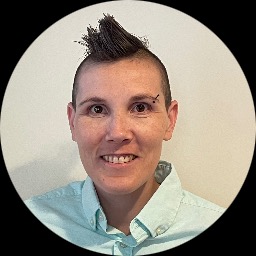
B Payson Croy is an LICSW licensed in Massachusetts with three years of professional experience. She helps people who are dealing with stress, anxiety, LGBTQ concerns, relationship problems, trauma and abuse, and mood-related ups and downs.
She focuses on practical conversations that make it easier to name what feels off and what matters most. Sessions tend to be direct and focused. Clients can expect clear steps to try between meetings and time to reflect on how those steps felt.
Her work draws on Dialectical Behavior Therapy, which teaches skills for managing intense emotion and improving relationships, and on psychodynamic approaches that look at patterns that developed over time. She uses these methods to address problems such as attachment worries, codependency, shame, and the effects of past hurt.
She aims to help people sort through communication problems, questions about sexuality, and the stress of life transitions. Conversations include looking at how past experiences influence current reactions and practicing different ways of responding in daily life.
Sessions are conducted in English and follow the intake and scheduling process described on the site. Prospective clients complete a short matching questionnaire and then schedule a first session to begin the practical work together.
Therapeutic approaches and online sessions
Dialectical Behavior Therapy, or DBT, focuses on building skills for emotion regulation, distress tolerance, and better interpersonal communication. It is practical work aimed at helping people handle intense feelings and reduce reactive patterns.Psychodynamic therapy looks at recurring themes and early relationship patterns that shape how someone reacts now. This approach involves talking through patterns and noticing how past experiences influence current feelings and choices.
Finding the right approach is part of the work. The therapist will discuss goals, preferences, and what has or hasn’t worked before, and will help decide whether DBT skills, psychodynamic reflection, or a mix is the best fit. That decision is made together and can change over time as needs change.
Session format details should be confirmed before booking. The practical benefits of online sessions can include fitting appointments into a busy schedule, shorter check-ins when needed, and avoiding travel time. These options can make it easier to keep therapy consistent while balancing work, care, and daily life.
Areas of expertise
Primary focus
Additional focus areas
Therapeutic approaches
Experience
3+ years
Credentials
Massachusetts
Languages
English
Frequently asked questions
What concerns does she address?
She works with stress, anxiety, LGBTQ concerns, relationship problems, trauma and abuse, and mood-related issues like long low periods or mood swings.
What methods does she use in sessions?
She uses Dialectical Behavior Therapy (DBT) skills and psychodynamic approaches to help manage emotions and understand recurring patterns.
How much clinical experience does she have?
She has three years of professional experience working with people on the concerns listed in her profile.
What are her credentials and location?
She holds an MA and is an LICSW licensed in Massachusetts.
Which languages are supported?
Sessions are offered in English.
Can people outside the US work with her?
She does not accept international clients at this time.
How are sessions paid for and what does it cost?
Cost varies with location; sessions use a subscription model that can be canceled at any time.
How do I begin working with her?
Select the See online therapy options button, complete the short matching questionnaire, and then schedule your first session.
Before you reach out
- Check that the state license on record covers the state you live in.
- You do not need a diagnosis or the right words. Saying "my mood has been up and down" or "I have felt low for weeks" is a fine place to start.
- Counselors offer talking support. Questions about medication belong with a doctor or psychiatrist, and the two can go side by side.
- A profile shows the topics a counselor lists; it is not a diagnosis or a promise of any result.
If you feel unsafe right now, call or text 988, or call 911.