- Depression and bipolar
- Trauma and PTSD
- CBT and DBT methods
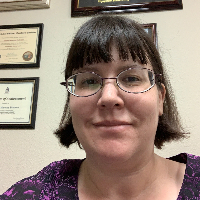
About Bethany
Bethany Maroney-Peterson is a California LMFT - Licensed Marriage and Family Therapist with 16 years of experience. She works with people facing depression, anxiety, bipolar mood swings, trauma and abuse, and stress related to caregiving and first responder roles. She also helps with relationship strain, parenting concerns, grief, low self-esteem, and coping with life changes.
Her approach is conversational and practical. Sessions focus on clear goals and learning skills people can use between meetings. She draws on cognitive behavioral techniques to spot unhelpful thinking patterns and on solution-focused work to set small, achievable steps.
Bethany also uses attachment-based ideas to look at how past relationships shape current reactions. Dialectical behavior therapy tools are available for intense emotions and problems with anger or impulsivity. The emphasis is on learning specific strategies rather than abstract theory.
She has a background in psychology and social work and has worked with trauma, PTSD, anxiety disorders, and depression. Her clinical experience includes support for people connected to combat mental health and first responder stress, alongside other family and relationship difficulties.
In sessions she works together with each person to decide which tools fit best. People can expect straightforward feedback, concrete coping skills, and a focus on making steady, practical changes in day-to-day life.
How her approaches are used in online sessions
Attachment-based work looks at how early relationship patterns affect current reactions and closeness. Online sessions use these ideas to identify relationship habits and practice new ways of connecting and communicating.Cognitive behavioral therapy focuses on spotting unhelpful thoughts and testing them with real-life experiments. In remote sessions that can mean setting small homework tasks, tracking mood and behavior, and reviewing what changed between meetings.
Dialectical behavior therapy provides concrete tools for managing intense emotions, reducing impulsive reactions, and improving distress tolerance. Those skills translate into short, practiceable exercises that can be reviewed during an online appointment.
Finding the right approach is part of the work. The therapist will collaborate with each person to decide which methods fit their goals and situation. That choice can change over time as needs shift and progress is reviewed.
The original profile does not specify which session formats are offered, so confirm current options before booking. Many people find remote work helps fit sessions around work, caregiving, and busy days by removing travel time, allowing quicker check-ins, or supporting longer blocks for focused skill practice.
Areas of expertise
Primary focus
Also works with
Additional focus areas
Therapeutic approaches
Experience
16+ years
Credentials
California
Languages
English
Frequently asked questions
What kinds of mood concerns does she address?
She supports people with depression, bipolar mood swings, anxiety, and prolonged low mood. The profile also lists related concerns such as grief, anger, and caregiver stress.
What methods does she use in sessions?
She practices cognitive behavioral therapy, dialectical behavior therapy, attachment-based work, and solution-focused techniques. She blends these approaches to teach practical skills and set clear goals.
How much clinical experience does she have?
She has 16 years of experience as a licensed clinician working with trauma, mood issues, and relationship concerns. That background includes work related to combat mental health and first responder stress.
What credentials and location are listed?
She is a California LMFT - Licensed Marriage and Family Therapist practicing in California. The profile uses the CA LMFT credential provided.
Does she offer sessions in other languages or to international clients?
Sessions are offered in English. She does not accept international clients at this time.
What session formats are available?
The original biography did not list specific session formats. Please confirm current session options before booking.
How does payment and cost work?
Cost varies with location and sessions use a subscription that can be canceled at any time. Exact pricing depends on the plan selected.
How do I begin a first appointment?
Select the See online therapy options button, complete a short matching questionnaire, and schedule a first session to get started.
Before you reach out
- Check that the state license on record covers the state you live in.
- You do not need a diagnosis or the right words. Saying "my mood has been up and down" or "I have felt low for weeks" is a fine place to start.
- Counselors offer talking support. Questions about medication belong with a doctor or psychiatrist, and the two can go side by side.
- A profile shows the topics a counselor lists; it is not a diagnosis or a promise of any result.
If you feel unsafe right now, call or text 988, or call 911.