- Stress and anxiety
- Depression support
- Addiction recovery
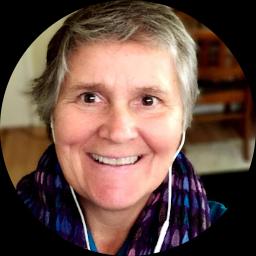
About Brenda
Brenda Reida is a Licensed Professional Clinical Counselor (LPCC) in California with 15 years of experience. She helps people who are dealing with stress, anxiety, addictions, LGBTQ related concerns, depression, and coping with life changes. Her work also covers mood disorders and related struggles.
Brenda believes people know their own stories and brings a practical, problem-focused style to sessions. She listens for strengths and patterns and helps clients use those strengths to manage difficult moods and impulses. Conversations are straightforward and goal oriented, with attention to what is happening day to day.
Her background includes long-term clinical work with people managing substance issues and process addictions. She also supports those facing caregiver stress, grief after disasters, and the fallout from intense guilt or shame. Where impulsivity or self-harm appear, she works to build safer routines and clearer coping options.
Brenda pays attention to relationship and communication problems that feed low mood. She helps people untangle control issues, isolation, and social anxiety so they can reconnect with meaningful activities. Many clients seek help with life purpose, midlife transition, or the stresses that come with big changes.
Sessions focus on practical steps and discussion that lead to manageable changes. Brenda encourages clients to notice patterns and try new habits between meetings. She asks for honest feedback so therapy stays aligned with each person’s goals.
Using Evidence-Based Techniques in Remote Sessions
Brenda works with evidence-based therapeutic techniques that focus on practical changes. One common approach she uses helps people identify unhelpful thought and behavior patterns and practice alternatives in daily life. This type of work is useful for anxiety, depression, and mood swings because it offers concrete skills to test between sessions. Another approach focuses on coping skills for impulse control and addiction-related behaviors, teaching step-by-step strategies to reduce urges and handle triggers.Finding the right approach is part of the work together. Brenda will discuss options and then choose methods that match the client's goals and preferences. She encourages clients to give feedback so the focus can shift as needed during treatment.
Confirm the available session formats before booking, as the biography does not list specific online or in-person options. Online sessions can make it easier to fit therapy into a busy week, reduce travel time, and allow brief check-ins when needed. Therapists and licensed professionals commonly use these formats to help clients maintain momentum between appointments and try new skills in everyday settings.
Areas of expertise
Primary focus
Additional focus areas
Experience
15+ years
Credentials
California
Languages
English
Frequently asked questions
What concerns does she address?
She works with stress, anxiety, addictions, depression, LGBTQ related issues, and coping with life changes. Additional focus areas include mood disorders, self-harm, and social anxiety.
What is her therapeutic style?
She uses evidence-based therapeutic techniques with a practical, goal-focused approach. Sessions emphasize identifying strengths and building day-to-day coping skills.
How much experience does she have?
She has 15 years of professional work experience supporting people with mood and addiction concerns. That includes work with caregiver stress and process addictions.
What are her credentials and where is she located?
She is an LPCC licensed in California. Her practice is based in California.
Which languages are offered?
Sessions are offered in English.
Does she work with international clients?
She does not accept international clients at this time.
How does cost and billing work?
Cost varies by location and sessions use a subscription that can be canceled at any time. Check the service details for exact pricing information.
How do I begin a first session?
Select the See online therapy options button, complete a short matching questionnaire, and schedule your first session.
Before you reach out
- Check that the state license on record covers the state you live in.
- You do not need a diagnosis or the right words. Saying "my mood has been up and down" or "I have felt low for weeks" is a fine place to start.
- Counselors offer talking support. Questions about medication belong with a doctor or psychiatrist, and the two can go side by side.
- A profile shows the topics a counselor lists; it is not a diagnosis or a promise of any result.
If you feel unsafe right now, call or text 988, or call 911.