- Stress and anxiety
- Mood disorders
- Substance use
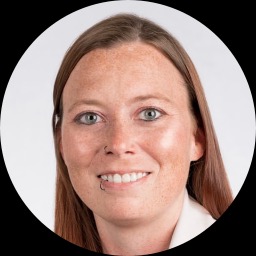
About Brittany
Brittany Elmore is an Ohio LPCC - Licensed Professional Clinical Counselor with 11 years of experience helping people manage stress, anxiety, substance use, trauma, and low self-esteem. She lists mood disorders, panic attacks, and challenges with motivation and confidence among the concerns she addresses. Sessions are described as a place to be heard and understood before moving toward change.
Elmore works with people who are coping with the practical effects of difficult events and strong emotions. She supports those dealing with drug and alcohol addiction, first responder issues, veteran and armed forces concerns, and the guilt and shame that can follow trauma. Her focus also includes parenting and family-related stressors as they affect an individual’s mood and daily functioning.
Her approach draws on evidence-based therapeutic techniques to help people build emotional regulation and develop healthier coping skills. In sessions she emphasizes listening first, then helping clients try strategies that fit their situation. She talks through patterns of thought and behavior and practices skills to reduce overwhelm and improve day-to-day functioning.
People who want clear steps and practical tools may find this approach useful. Elmore focuses on small, manageable changes that can reduce panic, lift low mood, and lessen the hold of addictive behaviors. She also addresses shame and self-worth so clients can rebuild confidence and self-acceptance.
Her practice centers on steady progress rather than quick fixes. Those interested in working together are asked to confirm current session options before booking and to use the platform’s matching and scheduling process to arrange a first appointment.
Evidence-based approaches and online care
Many of the techniques used are drawn from evidence-based therapies that focus on changing unhelpful thinking and teaching new skills. Cognitive-style work helps people notice and shift patterns of thought that contribute to low mood and anxiety, and can be useful for panic symptoms and mood swings.Skills-based approaches that teach emotional regulation and coping strategies are also core to her work. These techniques involve learning concrete breathing, grounding, and behavior-change skills to reduce overwhelm and manage cravings related to substance use.
Choosing the right approach is part of the process. The therapist collaborates with each person to identify which techniques match their goals, preferences, and current needs, and adjusts the plan as progress unfolds.
Confirm the specific session formats before booking, as the biography does not list them. Online sessions can make it easier to fit appointments into a busy schedule, allow shorter check-ins when needed, and remove travel time so therapy can be attended between work or family commitments. Ask about format options when you complete the matching questionnaire and schedule your first appointment.
Areas of expertise
Also works with
Additional focus areas
Experience
11+ years
Credentials
Ohio
Languages
English
Frequently asked questions
What concerns does she focus on?
She works with stress, anxiety, depression, and mood disorders along with substance use, trauma, panic attacks, and related issues.
What is her therapeutic style?
She uses evidence-based therapeutic techniques and a listening-first approach that moves to practical skills and coping strategies.
How long has she practiced?
She has 11 years of professional experience as a clinician.
What are her credentials and location?
She is an Ohio LPCC - Licensed Professional Clinical Counselor practicing in Ohio.
Does she offer sessions in other languages?
Sessions are offered in English.
Can people outside the US work with her?
International clients are not currently accepted.
How are fees handled?
Cost varies with location and sessions use a subscription that can be canceled at any time.
How do I begin a first session?
Select the See online therapy options button, complete the short matching questionnaire, and schedule a first session.
Before you reach out
- Check that the state license on record covers the state you live in.
- You do not need a diagnosis or the right words. Saying "my mood has been up and down" or "I have felt low for weeks" is a fine place to start.
- Counselors offer talking support. Questions about medication belong with a doctor or psychiatrist, and the two can go side by side.
- A profile shows the topics a counselor lists; it is not a diagnosis or a promise of any result.
If you feel unsafe right now, call or text 988, or call 911.