- Attachment-based therapy
- CBT strategies
- DBT skills
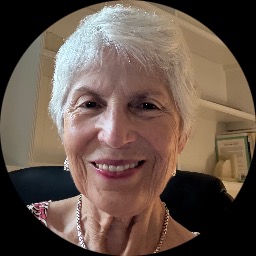
About Carmen
Carmen Greenstein is an LCSW-R (Licensed Clinical Social Worker-Rehabilitation) practicing in New York with 25 years of experience. She works with people dealing with depression, anxiety, relationship difficulties, trauma and related mood concerns. Carmen also supports people facing issues like attachment struggles, social anxiety, and problems with communication and self-worth.
She draws on client-centered methods to focus on each person's concerns and immediate needs. Sessions look at what is happening now and how past patterns, especially attachment and abandonment wounds, shape current mood and behavior. Carmen uses practical strategies from cognitive behavioral therapy to help manage distressing thoughts and emotions.
Dialectical behavior therapy elements are introduced when impulsivity or emotional overwhelm make daily life harder. These skills-based steps are taught in clear, small doses and practiced between sessions. The therapist combines those skills with longer-term work on relationships and identity for people navigating life changes or recovery from abuse.
Carmen sees LGBT clients and addresses women's issues when they come up in therapy. She also works with people who identify struggles with ADHD, isolation, guilt or shame and who want steadier moods and clearer communication with others.
Sessions are offered in English and Spanish. Practical concerns like scheduling, session length, and how therapy fits into everyday life are discussed up front so people can decide what works for them.
How Carmen applies therapy approaches online
Attachment-Based Therapy focuses on how early connections shape current relationships and mood. Online sessions using these ideas look at patterns of closeness, fears of abandonment, and ways to build steadier emotional responses in relationships.Client-Centered Therapy emphasizes the person's own goals and perspective. The therapist listens closely and helps people name what matters most to them, then supports changes at a comfortable pace.
Finding the right approach is part of the work. Carmen will discuss goals, symptoms, and preferences and will suggest which methods to prioritize. That decision is collaborative and can change as therapy progresses.
Confirm the exact session formats before booking, since specific options are not listed here. Online work can make it easier to fit sessions into a busy week, reduce commuting time, and allow shorter check-ins when schedules are tight. Some people find video useful for face-to-face interaction, while phone sessions can be a lower-bandwidth option when needed. Licensed professionals can adapt exercises and DBT skill practice to the online setting so the work translates into everyday life.
Areas of expertise
Primary focus
Also works with
Additional focus areas
Therapeutic approaches
Experience
25+ years
Credentials
New York
Languages
English, Spanish
Frequently asked questions
What kinds of problems does she help with?
Carmen works with depression, anxiety, relationship and trauma-related concerns, including mood disorders, loneliness, and communication problems.
What methods does she use in sessions?
She integrates client-centered work with attachment-based ideas and uses CBT and DBT techniques to teach practical skills and change unhelpful thought patterns.
How much experience does she have?
She has 25 years of clinical experience in New York working with adults on mood and relational issues.
What are her credentials and where does she practice?
She is an LCSW-R licensed in New York and practices from that location.
Does she work in other languages?
Sessions are offered in English and Spanish.
Can people from other countries book sessions?
International clients are not currently accepted; sessions are provided to people within the applicable jurisdiction.
How much do sessions cost?
Cost varies with location and sessions are billed through a subscription that can be canceled at any time.
What should I do to start working together?
Select the See online therapy options button, complete a short matching questionnaire, and schedule a first session.
Before you reach out
- Check that the state license on record covers the state you live in.
- You do not need a diagnosis or the right words. Saying "my mood has been up and down" or "I have felt low for weeks" is a fine place to start.
- Counselors offer talking support. Questions about medication belong with a doctor or psychiatrist, and the two can go side by side.
- A profile shows the topics a counselor lists; it is not a diagnosis or a promise of any result.
If you feel unsafe right now, call or text 988, or call 911.