- Anxiety and depression
- Trauma and abuse
- Substance use concerns
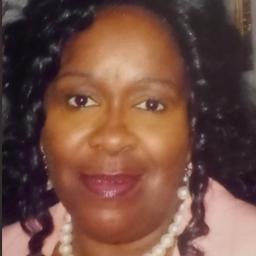
About Carolyn
Carolyn Faulkner is an LPC - Licensed Professional Counselor in Virginia with 30 years of practice. She works with adults, teens, and seniors on concerns such as anxiety, depression, relationship issues, trauma and abuse, self-esteem, and stress. She also addresses co-occurring substance use and women's issues as part of her work.
Her approach is interactive and practical. Carolyn uses problem-focused conversations to help people set clear goals and try new ways of coping. She draws on cognitive behavioral ideas to look at thought patterns that affect mood and behavior. She also uses narrative and rational-emotive techniques to challenge unhelpful stories people tell themselves and to build more useful ways of thinking.
Sessions tend to focus on short-term strategies and real-world application. Carolyn helps clients identify immediate steps they can take between meetings. She pays attention to relationships and how past events shape current reactions, especially where trauma and substance use intersect with mood concerns.
Over three decades she has worked across age groups, adapting language and tasks to suit each person. Outside of work she enjoys gardening, visiting outdoor food markets, church activities, and family time. Those interests inform a practical, down-to-earth style in sessions.
Therapeutic approaches used and how they fit online
Carolyn uses cognitive behavioral ideas to identify and change thinking patterns that affect mood and behavior. This approach is practical and helps with anxiety, low mood, and everyday coping skills.She also works with narrative techniques, which involve looking at the personal stories people tell about themselves and finding new ways to describe strengths and challenges. That can help when past events or recurring themes make mood swings or low periods harder to manage.
Rational-emotive methods are part of her work as well; they focus on spotting and disputing extreme or unhelpful beliefs that fuel distress. These techniques are straightforward and often paired with concrete tasks between sessions.
Finding the right mix of approaches is part of the early work in therapy. Carolyn will collaborate with each person to decide which methods fit best based on their goals, preferences, and what feels practical in day-to-day life.
The original biography does not list specific online session formats, so confirm current options before booking. Online work can make it easier to fit sessions into a busy week, allow for shorter check-ins when needed, and reduce travel time. Therapists and licensed professionals often use these practical benefits to help people maintain consistency with sessions and apply strategies between meetings.
Areas of expertise
Primary focus
Additional focus areas
Experience
30+ years
Credentials
Virginia
Languages
English
Frequently asked questions
What concerns does she address?
She helps people with stress, anxiety, depression, relationship issues, trauma and abuse, and self-esteem. Her work also includes drug and alcohol addiction and women's issues.
What is her therapeutic style?
Her style is interactive and problem-focused, using short-term, practical conversations to set goals and try new coping strategies.
How long has she been practicing?
She has 30 years of experience working with adults, teens, and seniors on a wide range of concerns.
What credentials and location does she hold?
She is an LPC - Licensed Professional Counselor licensed in Virginia and practices there.
Does she work in other languages or with international clients?
Sessions are offered in English. She does not accept international clients at this time.
What session formats are offered?
The original biography does not specify session formats; please confirm current session options before booking.
How is cost handled?
Cost varies with location and sessions use a subscription that can be canceled at any time.
How do I begin working with her?
Select the See online therapy options button, complete a short matching questionnaire, and schedule a first session.
Before you reach out
- Check that the state license on record covers the state you live in.
- You do not need a diagnosis or the right words. Saying "my mood has been up and down" or "I have felt low for weeks" is a fine place to start.
- Counselors offer talking support. Questions about medication belong with a doctor or psychiatrist, and the two can go side by side.
- A profile shows the topics a counselor lists; it is not a diagnosis or a promise of any result.
If you feel unsafe right now, call or text 988, or call 911.