- CBT techniques
- ACT and mindfulness
- Gottman approach
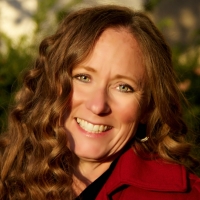
About Catherine
Catherine Lorino is an LSCSW (Licensed Specialist Clinical Social Worker) in Kansas and an LCSW with 30 years of clinical experience. She works with mood concerns such as depression, bipolar conditions, and general mood disorders, as well as anxiety, stress, relationship conflict, and parenting strain. Catherine helps people talk through what feels overwhelming and build practical strategies for day-to-day life.
She draws on several behavioral and relational approaches to help people manage symptoms and improve coping. Sessions often focus on identifying unhelpful thinking patterns, practicing new skills for emotion regulation, and improving communication in close relationships. Catherine uses straightforward exercises and short-term goals so progress can be noticed between sessions.
Her background includes long experience in community mental health, special education settings, and service with the United States Army. That work involved psychosocial assessments, supporting people with challenging behaviors, and helping those with trauma, persistent mental health concerns, and adjustment problems. She has also worked with school teams to design individualized, data-driven plans for students with special needs.
Catherine teaches and trains in community settings and has delivered presentations for school districts and local organizations. She is a Crisis Prevention Institute trainer and a Youth Mental Health First Aid trainer. Her skills include working with addiction issues, sleep and eating problems, anger, low self-esteem, and life transitions.
Outside clinical work she is active in veteran causes and family life. She listens for what matters most to each person and helps them pick practical first steps to reduce stress, improve mood, and manage conflict.
How therapeutic approaches translate to online sessions
Acceptance and Commitment Therapy (ACT) helps people notice their thoughts without getting ruled by them and commit to actions that reflect their values. It can be useful for low mood, rumination, and feeling stuck. Cognitive Behavioral Therapy (CBT) looks at how thoughts, feelings, and behaviors interact and teaches concrete techniques to change patterns that keep mood low. This approach often focuses on practical exercises and homework between sessions. Attachment-Based Therapy explores relationship patterns and how early bonds affect current emotions and connections, which can be helpful for people whose mood is linked to relationship stress and communication problems.Finding the right approach is part of the work. The therapist will collaborate with each person to choose methods that fit their needs, goals, and everyday life. That might mean mixing elements from ACT, CBT, or attachment work to address mood, anxiety, or relationship strain.
The original biography does not list specific online session formats, so confirm current options before booking. In general, online therapy can make it easier to fit sessions into a busy schedule, reduce travel time, and allow short check-ins when needed. It also lets people practice skills in the settings where problems occur, which can make exercises more relevant to day-to-day life.
Areas of expertise
Primary focus
Also works with
Additional focus areas
Therapeutic approaches
Experience
30+ years
Credentials
Kansas, Missouri
Languages
English
Frequently asked questions
What kinds of concerns does she address?
She works with depression, bipolar conditions, mood disorders, anxiety, stress, relationship and parenting concerns, trauma, and related issues such as addiction and sleep problems.
What therapeutic approaches does she use?
She uses Acceptance and Commitment Therapy (ACT), Cognitive Behavioral Therapy (CBT), Dialectical Behavior Therapy (DBT), Attachment-Based methods, and the Gottman Method to guide sessions.
How much clinical experience does she have?
She has 30 years of experience working across community mental health, special education, and military settings.
What credentials and region apply?
She holds LSCSW and LCSW credentials and provides services based in Kansas.
Can I work with her if I'm outside the United States?
She accepts international clients; sessions are offered in English.
What session formats are offered?
The biography does not list specific session formats; please confirm current session options before booking.
How much do sessions cost?
Cost varies with location; sessions use a subscription that can be canceled at any time.
How do I begin a first session?
Select the See online therapy options button, complete a short matching questionnaire, and schedule a first session.
Before you reach out
- Check that the state license on record covers the state you live in.
- You do not need a diagnosis or the right words. Saying "my mood has been up and down" or "I have felt low for weeks" is a fine place to start.
- Counselors offer talking support. Questions about medication belong with a doctor or psychiatrist, and the two can go side by side.
- A profile shows the topics a counselor lists; it is not a diagnosis or a promise of any result.
If you feel unsafe right now, call or text 988, or call 911.