- Stress and anxiety
- Depression support
- Trauma and grief
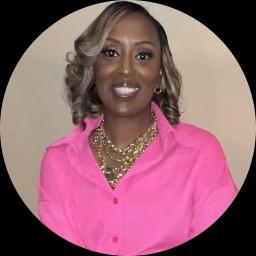
About Cheryl
Cheryl Lucas-Robinson is an LCSW licensed in Illinois and New Jersey with 12 years of clinical experience. She works with people who are dealing with stress, anxiety, relationship concerns, trauma and abuse, grief and loss, and depression. Cheryl speaks English and offers a direct, respectful approach to therapy.
She focuses on helping people describe what they are feeling and on finding practical steps to feel steadier day to day. Sessions emphasize clear dialogue about current problems, patterns in relationships, and ways to handle intense emotions. Cheryl adapts the pace to what each person needs and checks in about progress as therapy continues.
Her work commonly addresses mood concerns such as persistent low periods and fluctuating energy. She also supports people facing complicated grief, difficulties after trauma, and ongoing stress related to caregiving or health challenges. Conversations often include communication skills and ways to manage worry and overwhelming thoughts.
Cheryl draws on evidence-based therapeutic techniques to guide sessions and to help clients build coping strategies. She pays attention to cultural and life context and helps people name the patterns that keep problems active. Practical homework and real-world skills are used when they help move things forward.
Clients who are considering starting can expect straightforward conversations about goals and next steps. Cheryl asks about daily routines, relationships, and any barriers to following through, then co-creates a plan to address the most pressing concerns.
How therapeutic approaches translate to online sessions
Cheryl uses evidence-based therapeutic techniques to guide work on mood and relationship concerns. One commonly used approach focuses on identifying unhelpful thinking and testing alternative, more balanced thoughts to reduce worry and low mood; this helps with persistent negative thinking and anxiety. Another common approach emphasizes behavioral strategies such as activity scheduling, pacing, and gradual engagement in valued activities to raise low energy and improve daily routine.Finding the right mix of methods is a collaborative process. Cheryl will work with each person to decide which techniques fit their goals, preferences, and current life demands. Sessions begin with discussing what is most troubling and then trying practical steps while monitoring how well they work.
If you are considering online sessions, confirm the current session formats before booking. Online work can make it easier to fit therapy into a busy schedule, reduce travel time, and provide quicker access to a licensed professional when life is hectic. Some formats may also allow shorter check-ins or audio-only conversations when that better fits the moment. Double-check which session options are offered before scheduling so you can pick what best matches your needs.
Areas of expertise
Primary focus
Additional focus areas
Experience
12+ years
Credentials
New Jersey, Illinois
Languages
English
Frequently asked questions
What kinds of mood concerns does she help with?
She works with stress, anxiety, depression, and mood disorders, along with grief and trauma-related low mood.
What is her therapeutic approach like?
She uses evidence-based therapeutic techniques and focuses on clear dialogue, practical skills, and checking progress with clients.
How much clinical experience does she have?
She has 12 years of professional work experience as a licensed clinical social worker.
What credentials and location are listed?
She is an LCSW licensed in Illinois and New Jersey and practices from Illinois.
Does she offer sessions in other languages?
Sessions are offered in English.
Can international clients work with her?
She does not accept international clients at this time.
How does payment and cost work?
Cost varies with location and sessions use a subscription that can be canceled at any time.
How do I begin a first session?
Select the See online therapy options button, complete a short matching questionnaire, and schedule a first session.
Before you reach out
- Check that the state license on record covers the state you live in.
- You do not need a diagnosis or the right words. Saying "my mood has been up and down" or "I have felt low for weeks" is a fine place to start.
- Counselors offer talking support. Questions about medication belong with a doctor or psychiatrist, and the two can go side by side.
- A profile shows the topics a counselor lists; it is not a diagnosis or a promise of any result.
If you feel unsafe right now, call or text 988, or call 911.