- Trauma informed
- Behavioral tools
- Faith sensitive option
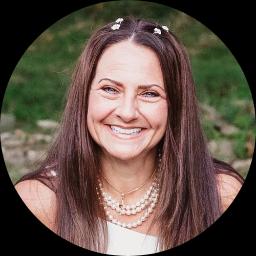
About D'andrea
D'andrea Washburn is a Licensed Professional Counselor (LPC) in Virginia with 26 years of clinical experience. She works with people who are dealing with relationship strain, trauma and abuse, grief, depression, and coping with life changes. She also supports concerns connected to mood disorders, postpartum depression, panic, OCD symptoms, and substance-related problems.
Washburn keeps sessions focused on practical skills and clear strategies. She uses evidence-based behavioral tools and psycho-education to help clients develop concrete coping steps. When wanted, she can include a faith-sensitive perspective in conversations.
Her approach is trauma-informed and emphasizes collaboration. She aims to validate a client's experience while encouraging personal responsibility and insight. Sessions often include skill practice and straightforward feedback rather than only talking about feelings.
Clients can expect to work on self-awareness, emotion regulation, and problem-solving. She helps people build routines and habits that reduce mood swings and long low periods. She also addresses relational patterns that contribute to stress and low mood.
Over her career she has supported people facing divorce, blended family adjustments, adoption and foster care issues, aging concerns, and problems related to military service. She draws on behavioral methods to address compulsive behaviors, panic attacks, and trauma reactions.
Her style is calm and structured, with an emphasis on practical change. People who prefer clear skills, real-world strategies, and a respectful clinical presence may find this approach helpful.
How therapeutic methods translate to online sessions
D'andrea Washburn uses evidence-based behavioral techniques that focus on skill building and practical strategies. These approaches teach specific behaviors and coping steps to manage low mood, panic symptoms, compulsive urges, and relationship stress. Sessions often include role practice, homework, and step-by-step skills to try between meetings.She also works from a trauma-informed framework that pays attention to safety and pacing. This means moving at a pace a person can tolerate and checking in about how an approach feels. The therapist and client decide together which methods to try and adjust them as needed, so the choice of techniques is collaborative rather than fixed.
The exact session formats for working online are not specified in the biography, so confirm current options before booking. Online work can make it easier to fit sessions into a busy schedule, reduce travel time, and allow for shorter check-ins when needed. Some people find audio sessions less demanding than video, while others prefer full visual contact for skills practice. Talk with the therapist about which arrangement will best match your goals and day-to-day routine.
Areas of expertise
Primary focus
Additional focus areas
Experience
26+ years
Credentials
Virginia
Languages
English
Frequently asked questions
What concerns does she work with?
She works with relationship problems, trauma and abuse, grief, depression, mood disorders, and coping with life changes.
What is her therapeutic style?
Her work is skills-based and trauma-informed, using behavioral tools and psycho-education to teach concrete strategies.
How much experience does she have?
She has 26 years of clinical experience as a counselor.
What are her credentials and location?
She is a Licensed Professional Counselor (LPC) licensed in Virginia and practices there.
Which languages are sessions offered in?
Sessions are offered in English.
Does she take international clients?
She does not accept international clients at this time.
How are sessions charged?
Cost varies with location and sessions use a subscription that can be canceled at any time.
How do I begin working with her?
Use the See online therapy options button, complete a short matching questionnaire, and schedule a first session.
Before you reach out
- Check that the state license on record covers the state you live in.
- You do not need a diagnosis or the right words. Saying "my mood has been up and down" or "I have felt low for weeks" is a fine place to start.
- Counselors offer talking support. Questions about medication belong with a doctor or psychiatrist, and the two can go side by side.
- A profile shows the topics a counselor lists; it is not a diagnosis or a promise of any result.
If you feel unsafe right now, call or text 988, or call 911.