- Client-centered therapy
- Cognitive behavioral techniques
- Emotion-focused work
About David
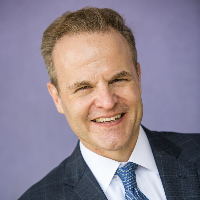
Dr. David Yudis is a Pennsylvania psychologist (PA Psychologist PS009136L) with 20 years of clinical experience. He works with people facing stress, anxiety, relationship strain, parenting challenges, anger, depression, mood swings, and life changes. He also helps with career concerns, self-esteem, intimacy-related matters, and questions about purpose or money.
He has a background in organizational work and sees how job life and personal life overlap. He often helps people who want more self-awareness, support during transitions, or a new perspective on recurring patterns. Sessions focus on practical steps as well as understanding what keeps problems repeating.
His doctoral training emphasized psychodynamic ideas, looking at how past experience affects current behavior. He also describes his work as human-centered, attending to the whole person rather than only symptoms. In practice he uses Cognitive Behavioral Therapy techniques for brief, solution-focused work when that fits a person's goals.
In sessions he prioritizes building a trusting professional relationship. That includes listening for patterns, reflecting back what he hears, and suggesting concrete strategies when helpful. He aims to help people see where they are stuck and try different ways of responding.
People often come to him needing clearer communication, help after separation or infidelity, or to address attachment and commitment worries. He blends longer-term reflection with short-term tools so clients can manage mood and daily pressures while exploring deeper themes.
How therapeutic approaches are used in online sessions
Dr. Yudis commonly uses Client-Centered Therapy and Cognitive Behavioral Therapy in his work. Client-Centered Therapy emphasizes listening closely and reflecting what the person says so they feel understood and can explore their concerns at their own pace. Cognitive Behavioral Therapy focuses on identifying unhelpful thoughts and testing small behavioral changes to reduce symptoms and improve daily functioning.He also draws on Emotionally-Focused Therapy ideas to help people notice and name strong feelings in relationships and to try new ways of responding. These approaches can be mixed depending on what someone needs; choosing a useful method is part of the work together and is guided by the person's goals and preferences.
Confirm the specific session formats available before booking so you know how appointments will be conducted. Online options can make it easier to fit sessions into a busy schedule, allow shorter check-ins when needed, or avoid travel time. The therapist will discuss what approach and scheduling style fit best during the first meeting and adjust as goals evolve.
Areas of expertise
Primary focus
Also works with
Additional focus areas
Therapeutic approaches
Experience
20+ years
Credentials
Pennsylvania
Languages
English
Frequently asked questions
What concerns does he address?
He works with stress, anxiety, depression, mood issues, relationship and intimacy challenges, parenting and career concerns.
What is his therapeutic style?
He describes a human-centered approach that combines psychodynamic reflection with practical CBT techniques and emotion-focused methods.
How long has he been practicing?
He has 20 years of experience, including work in organizational settings and individual clinical practice.
What are his credentials and where is he based?
He is a Pennsylvania psychologist listed as PA Psychologist PS009136L and practices in Pennsylvania.
Does he work in other languages or with international clients?
Sessions are offered in English and he is not accepting international clients.
What session formats are offered?
Confirm current session options before booking so you know which formats are available for scheduling.
How are fees handled?
Cost varies with location and sessions use a subscription that can be canceled at any time.
How do I begin if I want to work together?
Select the See online therapy options button, complete a short matching questionnaire, and schedule a first session.
Before you reach out
- Check that the state license on record covers the state you live in.
- You do not need a diagnosis or the right words. Saying "my mood has been up and down" or "I have felt low for weeks" is a fine place to start.
- Counselors offer talking support. Questions about medication belong with a doctor or psychiatrist, and the two can go side by side.
- A profile shows the topics a counselor lists; it is not a diagnosis or a promise of any result.
If you feel unsafe right now, call or text 988, or call 911.