- Mood disorders
- Addiction recovery
- Coping skills
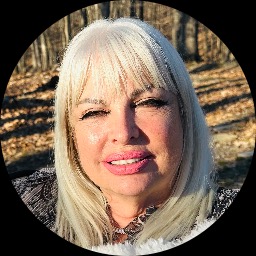
About Dawn
Dawn Byrne is a Licensed Clinical Professional Counselor (LCPC) in Maryland with 25 years of experience. She works with adults on mood problems, depression, anxiety, addiction, stress, grief and relationship concerns. Her background includes independent practice, employee assistance programs, community psychiatry, and addiction recovery clinics.
She also worked as a crisis interventionist in an emergency room setting. That experience means she is used to sorting through complex problems quickly and clearly. Earlier in her career she was a corporate trainer focused on coping skills, and she still brings practical skill teaching into sessions.
Dawn’s approach is client-centered and solution-focused. In sessions she listens, helps people clarify what they want to change, and teaches concrete techniques to manage emotions and behavior. Common targets include managing low mood, reducing anxiety, and improving coping with life changes.
She uses tools from cognitive behavioral therapy to help identify unhelpful thinking and build new habits. Attachment-based ideas show up when relationship patterns and communication are the issue. Motivational interviewing and narrative therapy inform work around addiction, relapse prevention, and decisions about change.
People often come for help with family-of-origin issues, codependency, caregiver stress, or midlife transitions. Dawn offers relapse prevention and recovery skills for substance concerns and practical strategies for managing work and home stress. Her sessions emphasize clear steps people can try between meetings.
Therapeutic approaches used in remote sessions
Many of Dawn’s sessions draw on cognitive behavioral therapy, which focuses on noticing unhelpful thoughts and trying different behaviors to change mood and anxiety. CBT is practical and works well for depression, panic, and everyday stress.Attachment-based therapy appears when relationship patterns and communication are central. This approach looks at how early relationship patterns affect current connections and helps people practice different ways of relating.
Motivational interviewing is often used around addiction and behavior change. It helps people weigh options, build motivation, and decide on realistic next steps without pressure.
Finding the right approach is part of the work. Dawn will talk with clients about goals, history, and preferences and then suggest which methods to try. Decisions about approach are collaborative and can change as needs evolve.
The original biography does not list specific session formats, so confirm current online options before booking. Online work can make it easier to fit therapy around work or caregiving, allow brief check-ins when time is tight, or reduce travel time. Licensed professionals can still teach skills, guide behavioral experiments, and support relapse prevention through remote sessions.
Areas of expertise
Primary focus
Also works with
Additional focus areas
Therapeutic approaches
Experience
25+ years
Credentials
Maryland
Languages
English
Frequently asked questions
What concerns does she address?
Dawn works with adult concerns such as depression, anxiety, mood swings, addiction, stress, grief, and relationship problems.
What is her therapeutic style?
Her style is client-centered and solution-focused, emphasizing listening, practical skills, and clear steps to try between sessions.
How much experience does she have?
She has 25 years of counseling experience, including 20 years in addiction counseling and seven years in crisis intervention.
What are her credentials and where is she located?
She is an LCPC (Licensed Clinical Professional Counselor) in Maryland.
Does she offer sessions in other languages or to international clients?
Sessions are offered in English. She is not accepting international clients.
What session formats are available?
Please confirm current session options before booking, as the biography does not specify which formats are offered.
How is cost handled?
Cost varies by location and sessions use a subscription that can be canceled at any time.
How do I get started?
Use the See online therapy options button, complete a short matching questionnaire, and schedule a first session.
Before you reach out
- Check that the state license on record covers the state you live in.
- You do not need a diagnosis or the right words. Saying "my mood has been up and down" or "I have felt low for weeks" is a fine place to start.
- Counselors offer talking support. Questions about medication belong with a doctor or psychiatrist, and the two can go side by side.
- A profile shows the topics a counselor lists; it is not a diagnosis or a promise of any result.
If you feel unsafe right now, call or text 988, or call 911.