- Stress and anxiety
- Grief and loss
- Veteran related issues
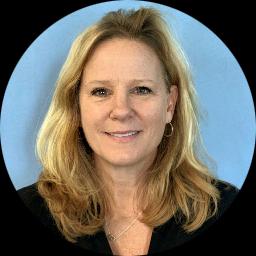
About Dawn
Dawn Dudek is a Licensed Clinical Social Worker (LCSW) in Illinois with 33 years of practice. She works with adults facing stress, anxiety, addictions, grief, mood swings, and self-esteem struggles. Dawn draws on long experience supporting people through panic and social anxiety as well as the strains that come from caregiving and military-related challenges.
She keeps sessions direct and practical. Conversations focus on what is happening now, coping strategies that can be used between meetings, and clearer ways to communicate with others. She pays attention to how substance use, sleep, and daily routines affect mood and stress levels.
Dawn has spent decades helping people sort through grief and loss and manage addictive behavior. She often works with people who need help reducing panic attacks or who find social situations especially stressful. Her background includes helping veterans and caregivers address the pressures those roles bring.
In sessions she looks at patterns in thinking and behavior that fuel low mood and irritability. She helps clients develop concrete skills for handling triggers and improving day-to-day functioning. Work may include step-by-step planning, role-play for difficult conversations, and techniques to reduce the intensity of panic symptoms.
Clients can expect a straightforward style that aims to make therapy useful in ordinary life. Dawn asks practical questions, checks progress regularly, and adjusts her approach as needs change. To begin, people are invited to use the site process to see available options and schedule an initial session.
How therapeutic approaches are used in online sessions
Two common evidence-based techniques she uses are cognitive and behavioral strategies and exposure-style practices. Cognitive and behavioral strategies look at unhelpful thinking and everyday routines, then teach skills to change those patterns and lower mood-related distress. Exposure-style practices help reduce panic and social anxiety by gradually practicing feared situations in a controlled way until they feel less intense.She sees finding the right approach as a collaborative process. The therapist and client review the issues, try methods that fit current goals, and adjust the plan over time. Clients are encouraged to give feedback so sessions stay practical and relevant to daily life.
Confirm the exact online session options before booking since the biography does not list formats. Online sessions can make it easier to fit appointments into a busy schedule, shorten travel time, and allow a quicker check-in during a work break or between errands. Different formats can also affect whether video is required, how much bandwidth is used, or how long a session takes, so clarify the logistics when scheduling.
Areas of expertise
Primary focus
Additional focus areas
Experience
33+ years
Credentials
Illinois
Languages
English
Frequently asked questions
What concerns does she address?
She works with stress, anxiety, addictions, grief, mood challenges, and self-esteem difficulties.
What is her therapeutic style?
She uses a practical, direct approach that focuses on coping strategies, communication skills, and reducing panic or addictive behaviors.
How much experience does she have?
She has 33 years of clinical experience as a social worker.
What credentials and region are listed?
She is an LCSW licensed in Illinois.
Does she offer sessions in other languages or to international clients?
Sessions are offered in English and she is not currently accepting international clients.
What session formats are available?
Session formats are not specified in the biography; confirm the current session options before booking.
How are fees handled?
Cost varies with location and sessions use a subscription that can be canceled at any time.
How do I start working with her?
Select the See online therapy options button, complete the short matching questionnaire, and schedule a first session.
Before you reach out
- Check that the state license on record covers the state you live in.
- You do not need a diagnosis or the right words. Saying "my mood has been up and down" or "I have felt low for weeks" is a fine place to start.
- Counselors offer talking support. Questions about medication belong with a doctor or psychiatrist, and the two can go side by side.
- A profile shows the topics a counselor lists; it is not a diagnosis or a promise of any result.
If you feel unsafe right now, call or text 988, or call 911.