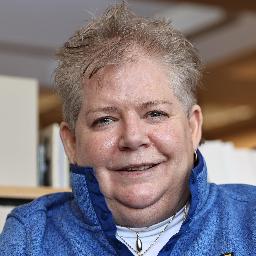
About Donna
Donna Wilbur is an LICSW (Licensed Independent Clinical Social Worker) with 25 years of experience in psychiatric rehabilitation sciences. She works with people dealing with depression, bipolar conditions, grief, trauma and LGBT-related concerns. Donna focuses on mood disorders and related areas such as attachment issues, loneliness, workplace stress, and post-traumatic stress.
She emphasizes a recovery model that centers on practical skills and supports. Rather than start with a diagnosis, she looks at what each person brings to therapy, what gets in the way, and which strengths can be used to move forward. Sessions are grounded in clear, skill-based approaches that aim to reduce symptoms and improve day-to-day functioning.
Donna uses cognitive behavioral therapy, relapse prevention, and motivational enhancement techniques. CBT helps people notice and change unhelpful thought and behavior patterns. Relapse prevention focuses on recognizing early signs of setback and building plans to manage them. Motivational enhancement supports clarity about goals and strengthens commitment to change.
Her style is direct and practical. She works to build a trusting, non-judgmental relationship so clients can try new coping tools and strategies. Progress is often about small, steady changes rather than quick fixes.
Donna practices in Massachusetts and conducts work in English. Prospective clients begin by using the site matching questionnaire and then schedule a first session. The cost of sessions varies with location and uses a subscription that can be canceled at any time.
Approaches used and how online sessions work
Donna commonly uses cognitive behavioral therapy and relapse prevention in her work. CBT teaches practical ways to notice and change thoughts and behaviors that contribute to low mood or anxiety. Relapse prevention helps people spot warning signs of setback and create step-by-step plans to manage those moments.She also uses motivational enhancement techniques to help clarify goals and strengthen commitment to change. That approach focuses on building motivation and practical next steps rather than arguing for change. Determining which mix of methods fits best is part of the early sessions, and she works with each person to find approaches that match their goals and preferences.
Confirm the exact session formats before booking because the biography does not list specific online or phone options. In general, remote sessions can help fit therapy into busy lives by reducing travel, allowing shorter check-ins around a workday, or making it easier to keep appointments when schedules shift. Licensed professionals can adapt tasks and worksheets for remote work so progress continues between sessions.
Areas of expertise
Primary focus
Additional focus areas
Experience
25+ years
Credentials
Massachusetts
Languages
English
Frequently asked questions
What concerns does she help with?
She works with depression, bipolar conditions, grief, trauma and LGBT-related issues, plus mood disorders, attachment and loneliness.
What is her therapeutic style?
Her approach follows a recovery model and is strengths-based, focusing on skills and supports rather than starting with diagnosis.
How much experience does she have?
Donna has 25 years of experience in psychiatric rehabilitation sciences and related clinical work.
What are her credentials and location?
She is an MA LICSW and practices in Massachusetts.
Does she offer sessions in other languages?
Sessions are offered in English.
Can I start with online or remote sessions?
Confirm current session options before booking, as the biography does not list specific formats on file.
How much do sessions cost?
Cost varies with location and sessions use a subscription model that can be canceled at any time.
How do I begin if I want to work with her?
Use the site See online therapy options button, complete the short matching questionnaire, and schedule a first session.
Before you reach out
- Check that the state license on record covers the state you live in.
- You do not need a diagnosis or the right words. Saying "my mood has been up and down" or "I have felt low for weeks" is a fine place to start.
- Counselors offer talking support. Questions about medication belong with a doctor or psychiatrist, and the two can go side by side.
- A profile shows the topics a counselor lists; it is not a diagnosis or a promise of any result.
If you feel unsafe right now, call or text 988, or call 911.