- Depression and anxiety
- Relationship issues
- CBT and ACT methods
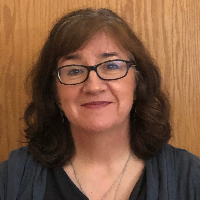
About Gillian
Gillian Van Dien is an LPC - Licensed Professional Counselor in Wisconsin with 17 years of clinical experience. She works with people facing depression, anxiety, relationship struggles, trauma and abuse, grief, and other mood-related concerns. She also supports those dealing with stress, self-esteem problems, parenting strain, and major life changes.
Her sessions focus on clear, practical steps. She listens for patterns that keep problems repeating. Then she helps people try different ways of thinking and acting to reduce distress. Conversations are straightforward and aim to make day-to-day life easier to manage.
Gillian uses several evidence-based methods in her work. She draws on cognitive behavioral techniques to spot unhelpful thoughts and experiment with alternatives. She also uses Acceptance and Commitment Therapy to clarify values and build actions that matter to the client. Attachment-based ideas guide her when relationship history affects current mood and connection.
She often helps people who feel stuck after loss, separation, or big changes. That includes support for eating and body-image concerns, caregiving stress, chronic health challenges, and feelings of emptiness or abandonment. She works with adults navigating midlife and young adults finding direction.
Clients can expect a collaborative style. Goals and steps are set together, and progress is checked as therapy continues. For practical next steps, follow the site's process to view online therapy options and schedule a first session.
Therapeutic approaches used for online work
Gillian commonly draws on Acceptance and Commitment Therapy and Cognitive Behavioral Therapy in her online work. ACT focuses on clarifying what matters to the client and building small, committed actions that align with those values. It can help when low mood makes it hard to move toward meaningful goals. CBT looks at how thoughts, feelings, and behaviors interact and uses practical experiments to shift unhelpful patterns. That approach is useful for anxiety, depression, and stress-related reactions.Attachment-based ideas are also part of her toolkit when relationship history affects current mood and connection. These ideas help people understand patterns in close relationships and practice new ways of relating. Gillian treats finding the right mix of approaches as a collaborative process; she discusses options and adapts methods to match the client's goals and preferences.
Session formats are not specified in the biography, so confirm current options before booking. In general, online sessions can make it easier to fit therapy into a busy week, shorten travel time, and allow brief check-ins when needed. The practical aim is to make therapy fit everyday life and to use methods that help people manage mood more effectively.
Areas of expertise
Primary focus
Also works with
Additional focus areas
Therapeutic approaches
Experience
17+ years
Credentials
Wisconsin
Languages
English
Frequently asked questions
What concerns does she help with?
She works with depression, anxiety, relationship challenges, trauma and abuse, grief, and related mood issues.
What is her therapeutic style?
She uses a collaborative, practical approach that focuses on identifying patterns and testing new ways of thinking and behaving.
How much experience does she have?
She has 17 years of experience as a practicing clinician in Wisconsin.
What credential does she hold and where is she based?
She is an LPC - Licensed Professional Counselor and practices in Wisconsin.
Which languages are supported?
Sessions are offered in English.
Can she work with international clients?
She does not accept international clients at this time.
How are fees handled?
Cost varies with location and sessions use a subscription that can be canceled at any time.
How do I begin a first session?
Select the See online therapy options button, complete the short matching questionnaire, and schedule a first session.
Before you reach out
- Check that the state license on record covers the state you live in.
- You do not need a diagnosis or the right words. Saying "my mood has been up and down" or "I have felt low for weeks" is a fine place to start.
- Counselors offer talking support. Questions about medication belong with a doctor or psychiatrist, and the two can go side by side.
- A profile shows the topics a counselor lists; it is not a diagnosis or a promise of any result.
If you feel unsafe right now, call or text 988, or call 911.