- Mood disorders
- Postpartum depression
- Caregiver stress
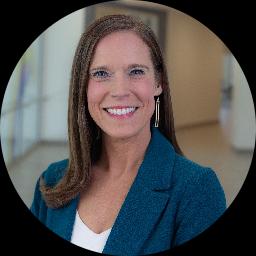
About Heather
Heather Shotwell is a Licensed Clinical Social Worker (LCSW) practicing in Utah with 18 years of experience. She works with people who are struggling with depression, anxiety, stress, and self-esteem challenges. She also helps with mood disorders and related concerns such as postpartum depression and social anxiety.
Heather focuses on straightforward talk and practical problem solving. Sessions look at what is happening now and what patterns contribute to low mood or frequent irritability. She helps clients name feelings, try manageable changes, and develop clearer ways to communicate with others.
Many people come to her with family tensions, blended family issues, or caregiver strain. Heather also supports those dealing with grief, hospice and end-of-life questions, and the isolation that can follow big life changes. She listens for what is most urgent and helps set small, realistic goals.
Her style emphasizes collaboration and consistent follow-through. Heather uses evidence-based therapeutic techniques and adapts them to each person's situation. She aims for work that fits into daily life so changes feel doable rather than overwhelming.
People often begin by focusing on immediate mood symptoms, then move toward longer-term patterns that affect relationships and purpose. Heather works with clients to build practical tools for coping, clearer communication, and a steadier day-to-day routine.
How evidence-based approaches are used in online sessions
Heather uses evidence-based therapeutic techniques that focus on practical change. One common approach is problem-focused work that helps identify specific habits and situations that worsen mood, then tests small changes to improve daily routine and coping. This helps with low energy, frequent sadness, and getting unstuck.Another approach involves addressing relationship patterns and communication problems. Sessions can include practicing clearer ways to express needs and manage conflict, which often eases isolation and social anxiety. These methods aim to improve how someone connects with important people in their life.
Choosing the right approach is part of the work. Heather collaborates with each person to decide which techniques fit their goals and preferences. She adjusts methods over time based on what is helpful and what feels manageable.
Confirm current session formats before booking since the biography does not list specific options. Online work can make it easier to fit therapy into a busy week, allow shorter check-ins when needed, and reduce travel time. Licensed professionals can use virtual sessions to maintain steady support while clients balance caregiving, work, or other responsibilities.
Areas of expertise
Primary focus
Additional focus areas
Experience
18+ years
Credentials
Utah
Languages
English
Frequently asked questions
What concerns does she address?
She works with depression, anxiety, stress, and self-esteem issues. Additional areas include mood disorders, postpartum depression, grief, and family difficulties.
What is her therapy style?
Her style is practical and collaborative. She focuses on clear goals, problem solving, and skills that can be used day to day.
How much clinical experience does she have?
She has 18 years of experience working with adults on mood and relationship concerns. That background includes work with caregivers and people facing end-of-life issues.
What are her credentials and where is she located?
She is an LCSW licensed in Utah and practices there.
Does she offer sessions in other languages?
Sessions are offered in English only.
What session formats are available?
Session formats are not specified in the biography. Confirm current session options before booking.
How does payment work?
Costs vary with location and sessions use a subscription model that can be canceled at any time.
How do I start working with her?
Begin by selecting the See online therapy options button, complete a short matching questionnaire, and schedule a first session.
Before you reach out
- Check that the state license on record covers the state you live in.
- You do not need a diagnosis or the right words. Saying "my mood has been up and down" or "I have felt low for weeks" is a fine place to start.
- Counselors offer talking support. Questions about medication belong with a doctor or psychiatrist, and the two can go side by side.
- A profile shows the topics a counselor lists; it is not a diagnosis or a promise of any result.
If you feel unsafe right now, call or text 988, or call 911.