- Attachment-based work
- Cognitive behavioral tools
- Narrative and EMDR
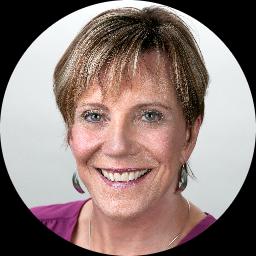
About Jacqueline
Jacqueline Arcand is a Licensed Clinical Social Worker (LCSW) with ten years of professional experience, licensed in Arizona and Alaska. She helps people who are dealing with stress, anxiety, depression, substance use concerns, trauma and relationship struggles. Jacqueline focuses on building motivation, improving self-esteem, and supporting people through life changes and grief.
She sees clients as the experts in their own stories and works collaboratively to clarify what is happening and what might help next. Sessions are conversational and goal-focused, with attention to how past attachments and current patterns affect day-to-day life. Jacqueline uses a mix of methods to address symptoms and underlying issues rather than relying on a single approach.
Her background includes work with people facing codependency, attachment fractures, and the overlap of trauma with addiction. She also supports those coping with anger, intimacy-related concerns, eating issues, and bipolar mood patterns. Her experience includes helping people process abandonment, family of origin problems, and remorse or guilt.
In practice she combines attachment-based ideas with cognitive-behavioral techniques and narrative work to help people test out new ways of thinking and relating. She may incorporate EMDR where appropriate to process traumatic memories. The focus is on practical steps that reduce distress and strengthen coping.
Jacqueline aims to make early sessions about clear, manageable goals and options. She assists people in weighing choices and planning small experiments in daily life. Her approach emphasizes steady progress rather than quick fixes, with attention to both symptoms and relationships that influence mood.
How her approaches work in online sessions
Attachment-based therapy focuses on how early relationships shape current patterns. It looks at how connections and expectations with others affect mood and reactions, and helps people practice different ways of relating that reduce anxiety and shame.Cognitive Behavioral Therapy (CBT) identifies unhelpful thoughts and habits and replaces them with clearer, more workable options. It is useful for reducing anxiety, managing low mood, and changing behaviors tied to substance use or unhealthy coping.
Narrative therapy helps people tell and retell their life story, separating problems from identity and opening space for new possibilities. This can be helpful for grief, shame, and rebuilding a sense of self after trauma.
Choosing an approach is collaborative. The therapist will review goals and preferences with the client and suggest methods to try. Sessions often blend techniques and are adjusted based on what helps in early meetings.
Confirm session formats before booking because the biography does not list specific options. Online work can make it easier to fit appointments into a busy week, swap longer sessions for shorter check-ins when needed, or avoid travel time. Therapists can use different methods remotely to practice new skills, process memories, and track progress without requiring a visit to an office.
Areas of expertise
Primary focus
Also works with
Additional focus areas
Therapeutic approaches
Experience
10+ years
Credentials
Arizona, Alaska
Languages
English
Frequently asked questions
What kinds of mood concerns does she address?
She works with stress, anxiety, depression, bipolar mood patterns, and mood changes linked to life transitions.
What therapeutic approaches does she use?
She uses attachment-based therapy, client-centered techniques, cognitive behavioral strategies, narrative therapy, and may include EMDR for trauma processing.
How much clinical experience does she have?
She has ten years of professional experience as a Licensed Clinical Social Worker.
Where is she licensed and based?
She holds LCSW licenses in Arizona and Alaska and practices from Alaska as listed.
Does she work in languages other than English?
Sessions are offered in English.
What session formats are available?
Please confirm current session options before booking, as formats are not specified in the biography.
How are sessions billed?
Cost varies with location and sessions use a subscription that can be canceled at any time.
How do I begin the process?
Select the See online therapy options button, complete a short matching questionnaire, and schedule a first session.
Before you reach out
- Check that the state license on record covers the state you live in.
- You do not need a diagnosis or the right words. Saying "my mood has been up and down" or "I have felt low for weeks" is a fine place to start.
- Counselors offer talking support. Questions about medication belong with a doctor or psychiatrist, and the two can go side by side.
- A profile shows the topics a counselor lists; it is not a diagnosis or a promise of any result.
If you feel unsafe right now, call or text 988, or call 911.