- Depression and mood
- Trauma and abuse
- Relationship issues
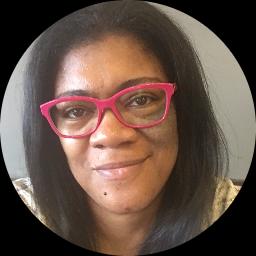
About Jacqueline
Jacqueline Childress is a Licensed Professional Counselor (LPC) in Georgia with 20 years of experience. She works with people who face depression, mood swings, trauma and abuse, and intimacy-related concerns. Jacqueline also supports those coping with stress, anxiety, grief, relationship strain, and life changes.
She approaches sessions as practical conversations. Jacqueline treats clients as the experts on their own lives and helps them identify strengths they already have. Sessions focus on clear steps, skills practice, and building momentum toward manageable goals.
Her background includes two decades of clinical work in community and counseling settings across a range of concerns. Over that time she has worked with people dealing with eating issues, parenting stress, career uncertainty, and the challenges of bipolar mood patterns. She also addresses ADHD, compassion fatigue, and trauma linked to sexual assault and abuse.
Jacqueline pays attention to cultural context and to issues like prejudice or discrimination when they affect mood and relationships. She draws on evidence-based therapeutic techniques to help with impulsivity, attachment issues, and identity or sexuality questions. Her work also covers adoption and foster care related concerns and veteran and armed forces issues.
People can expect straightforward support aimed at lowering overwhelm and increasing everyday coping. She emphasizes doable changes and a clear path for moving forward, while helping clients track progress and adjust plans as needed.
How therapeutic approaches are used in online sessions
Jacqueline works with evidence-based therapeutic techniques that help people manage mood and trauma symptoms. For example, cognitive behavioral approaches look at unhelpful thoughts and patterns and teach practical skills for changing reactions and behaviors. These methods can be useful for low mood, anxiety, and stress.She also uses trauma-informed techniques that focus on stabilizing emotions and building coping skills before addressing painful memories. That approach helps people feel more able to handle strong emotions and to regulate mood day to day.
Finding the right approach is a collaborative process. Jacqueline will work with each person to identify which methods fit their needs, goals, and preferences. She’ll discuss options, try techniques in session, and adjust the plan based on what helps most.
Session formats are not specified in the biography, so confirm current options before booking. Many people find online sessions help fit therapy into busy schedules, reduce travel time, and make it easier to keep regular appointments. Discuss practical needs up front so sessions can be arranged to suit work, family, or other commitments.
Areas of expertise
Primary focus
Also works with
Additional focus areas
Experience
20+ years
Credentials
Georgia
Languages
English
Frequently asked questions
What concerns does she commonly address?
She works with depression, mood variability, trauma and abuse, anxiety, grief, relationship strain, and related issues like ADHD and eating concerns.
What is her therapeutic style?
She uses practical, evidence-based techniques and focuses on skills, goal-setting, and steady progress in sessions.
How much experience does she have?
Jacqueline brings 20 years of professional work experience in counseling and clinical settings.
What are her credentials and location?
She is a Licensed Professional Counselor (LPC) practicing in Georgia.
Which languages are supported?
Sessions are offered in English.
Does she work with international clients?
She does not accept international clients at this time.
How are fees handled?
Cost varies by location and sessions use a subscription model that can be canceled at any time.
How do I begin a first session?
Start by selecting the See online therapy options button, complete a short matching questionnaire, and schedule your first session.
Before you reach out
- Check that the state license on record covers the state you live in.
- You do not need a diagnosis or the right words. Saying "my mood has been up and down" or "I have felt low for weeks" is a fine place to start.
- Counselors offer talking support. Questions about medication belong with a doctor or psychiatrist, and the two can go side by side.
- A profile shows the topics a counselor lists; it is not a diagnosis or a promise of any result.
If you feel unsafe right now, call or text 988, or call 911.