- CBT focus
- Motivational interviewing
- Client centered
About Jenny
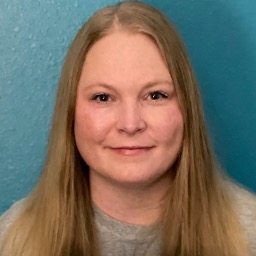
Jenny Wright is a Licensed Specialist Clinical Social Worker (LSCSW) and a Licensed Clinical Social Worker (LCSW) practicing in Missouri with three years of licensed clinical experience. She works with people dealing with mood disorders, depression, bipolar symptoms, anxiety, stress, and a wide range of related concerns. Jenny draws on a long history in mental health roles, including case management and work in acute care and substance use settings.
Jenny spent years before licensure working in residential care for children and in intensive outpatient addiction services. That background shaped how she looks at problems - she pays attention to a person's supports, routines, and daily environment. She treats practical life factors as part of therapy rather than separate from it.
Her approach mixes several methods. She often uses client-centered listening to understand what matters most to the person. She applies Cognitive Behavioral Therapy to help people notice and change unhelpful thoughts and behaviors. She also uses motivational interviewing and solution-focused ideas to set short-term, doable goals.
Sessions are focused on what the client brings and on small steps that fit into everyday life. Jenny emphasizes strengths and real-world tools the client already has. She also draws on experience with addiction services, grief work, trauma, chronic pain, and family dynamics when relevant.
Jenny works with people from varied backgrounds and has experience supporting LGBTQ+ clients and people with disabilities. She accepts international clients and conducts sessions in English. To begin, readers are asked to follow the site's process to view online therapy options and schedule an initial meeting.
Therapeutic approaches and how online sessions work
Jenny commonly uses Client-Centered Therapy, Cognitive Behavioral Therapy, and motivational interviewing in her work. Client-Centered Therapy focuses on listening and understanding the person's priorities so sessions follow what matters most to them. Cognitive Behavioral Therapy helps people identify patterns of thought and behavior that contribute to low mood and then practice concrete alternatives. Motivational interviewing supports making changes by exploring and strengthening a person's own reasons for change and small next steps.Deciding which approach to use is collaborative. Jenny will work with the client to weigh their needs, goals, and preferences and then try methods that suit those aims. That process may shift over time as different tools become more useful.
Session logistics should be confirmed before booking since specific formats are not listed here. Online sessions can make it easier to fit appointments into a busy day, allow shorter check-ins when needed, and remove commute time. These practical benefits can help people maintain regular contact with a therapist and apply what they practice between sessions.
Areas of expertise
Primary focus
Also works with
Additional focus areas
Therapeutic approaches
Experience
3+ years
Credentials
Missouri, Kansas
Languages
English
Frequently asked questions
What concerns does she address?
She works with a broad set of concerns including mood disorders, depression, bipolar symptoms, anxiety, stress, addictions, grief, trauma, relationship and parenting challenges.
What methods does she use in sessions?
Her work draws on client-centered listening, Cognitive Behavioral Therapy, Dialectical Behavior Therapy aspects, mindfulness tools, and motivational interviewing to set practical goals.
How long has she been practicing clinically?
She holds three years of licensed clinical practice and has an additional decade of prior mental health work in case management and residential settings.
What are her credentials and where is she based?
She is credentialed as an LSCSW in Kansas and an LCSW in Missouri and practices out of Missouri.
Can I work with her if I live outside the US?
International clients are accepted and sessions are offered in English.
Which session formats are used?
Session formats are not specified here; please confirm current session options before booking through the platform.
How are fees handled?
Cost varies with location and sessions use a subscription model that can be canceled at any time.
What should I do to get started?
Select the See online therapy options button, complete the short matching questionnaire, and schedule a first session.
Before you reach out
- Check that the state license on record covers the state you live in.
- You do not need a diagnosis or the right words. Saying "my mood has been up and down" or "I have felt low for weeks" is a fine place to start.
- Counselors offer talking support. Questions about medication belong with a doctor or psychiatrist, and the two can go side by side.
- A profile shows the topics a counselor lists; it is not a diagnosis or a promise of any result.
If you feel unsafe right now, call or text 988, or call 911.