- Mood disorders
- Attachment work
- DBT skills
About Josephine
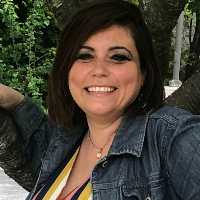
Josephine Olson is an LPC - Licensed Professional Counselor in Virginia with 15 years of experience. She lists mood disorders, depression, bipolar concerns, anxiety, trauma and relationship issues among the concerns she works with. Josephine speaks English and accepts international clients.
Josephine begins sessions by listening to what is most urgent. She uses clear, practical conversation to help people manage mood swings, low periods, panic, and stress. She also addresses grief, parenting strain, addictions, and problems that come from past hurt or attachment wounds.
Her background includes several clinical approaches she uses in session. She draws on client-centered methods that focus on the person in front of her and attachment-based ideas that look at how early relationships shape current patterns. She also works with skills-oriented techniques from dialectical behavior therapy to help manage intense feelings and improve day-to-day coping.
In therapy with her, people can expect straightforward goal-setting and skill practice alongside time to talk through painful memories. She integrates what people already believe and values they hold while helping them build practical responses to difficult moods and relationship strains.
Josephine is based in Virginia and holds the LPC credential. She has worked in the field for well over a decade and has experience supporting people through complex trauma, parenting challenges, and life transitions. Her approach is collaborative and focused on concrete steps that help reduce distress.
How her approaches translate to online sessions
Attachment-based work focuses on how early relationships affect current feelings and reactions. Online sessions can be used to talk through those patterns and practice different ways of responding in relationships. Client-centered therapy centers the person and their concerns, offering open conversation and reflective listening to help clarify goals and next steps. Dialectical behavior therapy, or DBT, brings concrete skills for managing intense emotions, reducing impulsive actions, and improving relationships; these skills can be taught and practiced in session and followed up between meetings.Choosing the right approach is part of the work. The therapist will talk with the client about what feels most useful and will adapt methods based on the person's needs, goals, and preferences. That collaboration helps match skills, reflection, and trauma-focused work in a way that fits the person.
The practical benefits of working online include fitting sessions into a busy schedule and reducing time spent traveling. Online work can make it easier to have shorter check-ins, attend from a quiet place, or avoid being on camera when that feels better. Confirm the current session options before booking to make sure they match your needs.
Areas of expertise
Primary focus
Also works with
Additional focus areas
Therapeutic approaches
Experience
15+ years
Credentials
Virginia
Languages
English
Frequently asked questions
What kinds of problems does she help with?
She works with mood disorders, depression, bipolar concerns, anxiety, trauma and relationship difficulties as well as related issues like grief, addictions, parenting strain, and burnout.
What is her therapeutic style?
Her style combines client-centered listening with attachment-based understanding and practical skills from DBT to help manage strong emotions and improve daily coping.
How much clinical experience does she have?
She has 15 years of experience working in counseling settings and with people facing mood and trauma-related challenges.
What are her credentials and where does she practice?
She holds the LPC credential and practices in Virginia.
Which languages are supported?
Sessions are offered in English.
Can international clients work with her?
She accepts international clients.
How are sessions paid for?
Cost varies with location and sessions use a subscription that can be canceled at any time.
How do I begin the process?
Select the See online therapy options button, complete a short matching questionnaire, and schedule a first session.
Before you reach out
- Check that the state license on record covers the state you live in.
- You do not need a diagnosis or the right words. Saying "my mood has been up and down" or "I have felt low for weeks" is a fine place to start.
- Counselors offer talking support. Questions about medication belong with a doctor or psychiatrist, and the two can go side by side.
- A profile shows the topics a counselor lists; it is not a diagnosis or a promise of any result.
If you feel unsafe right now, call or text 988, or call 911.