- Mindfulness Therapy
- Mood disorders
- Stress and coping
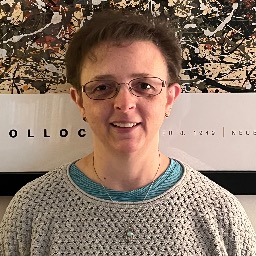
About Kristin
Kristin Esposita-Ublacker is a Licensed Clinical Social Worker with a New York LCSW-R and a Massachusetts LICSW and has 23 years of experience. She works with people facing stress, anxiety, depression, mood swings, ADHD, relationship strain, parenting challenges, and trauma and abuse. Kristin focuses on practical support for everyday problems and mood disorders.
She began social work because she did not want people to feel alone. She aims to listen and help clients take manageable steps forward. Sessions focus on identifying the change a person wants and setting small goals to reach it.
Kristin uses straightforward, patient-centered methods. She asks clear questions about what is not working, discusses options, and helps people try new habits or approaches. The work is paced to the client and centers on problem solving and self-awareness.
Her background includes long-term work with depression, anxiety, attention differences, and behavioral concerns. That experience shapes a practical style that emphasizes steady progress rather than quick fixes. She supports people through life transitions, fertility stress, isolation and difficulties with communication.
People who choose Kristin can expect calm, regular check-ins on goals and adjustments when needed. She helps with coping skills for anger, impulsivity, and bipolar mood patterns, and provides steady support for those feeling low or up and down. Her approach is to keep plans simple and usable in day-to-day life.
Mindfulness-based approaches and online care
Mindfulness Therapy focuses on paying attention to the present moment without judgment. In practical terms this can mean brief breathing and body-awareness exercises and learning to notice mood shifts as they happen. It can help with anxiety, recurring low mood, irritability, and stress by slowing down automatic reactions.Finding the right approach is part of the work. Kristin will discuss what techniques feel useful and adjust methods based on a client's needs, goals, and day-to-day life. That collaboration helps shape whether mindfulness practices, pacing, or other coping strategies are emphasized.
The therapist's session formats are not specified here, so confirm current session options before booking. Online sessions can make it easier to fit therapy into a busy schedule, reduce travel time, and allow shorter check-ins when days are hectic. They can also let someone continue regular appointments during life changes. Ask about the available formats when you schedule so sessions fit your routine.
Areas of expertise
Primary focus
Also works with
Additional focus areas
Therapeutic approaches
Experience
23+ years
Credentials
New York, Massachusetts, Maryland
Languages
English
Frequently asked questions
What kinds of concerns does she address?
She works with stress, anxiety, depression, mood disorders, ADHD, relationship and parenting challenges, trauma and abuse, and related issues.
What is her therapeutic style?
Kristin uses a practical, patient-centered approach that focuses on listening, setting clear goals, and trying manageable changes.
How much experience does she have?
She has 23 years of experience working with depression, anxiety, ADHD, and behavioral concerns.
What credentials and location are listed?
She holds NY LCSW-R and MA LICSW credentials and practices from New York.
Which languages are supported?
Sessions are offered in English.
Does she work with international clients?
She does not accept international clients at this time.
How does payment and cost work?
Cost varies with location and sessions use a subscription model that can be canceled at any time.
How do I begin a first session?
Select the See online therapy options button, complete a short matching questionnaire, and schedule a first session.
Before you reach out
- Check that the state license on record covers the state you live in.
- You do not need a diagnosis or the right words. Saying "my mood has been up and down" or "I have felt low for weeks" is a fine place to start.
- Counselors offer talking support. Questions about medication belong with a doctor or psychiatrist, and the two can go side by side.
- A profile shows the topics a counselor lists; it is not a diagnosis or a promise of any result.
If you feel unsafe right now, call or text 988, or call 911.