- CBT methods
- Client-centered work
- Solution-focused goals
About Linda
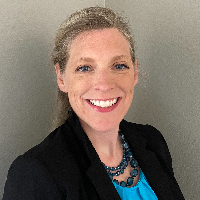
Linda "Kathleen" Brown is a Licensed Clinical Social Worker, LCSW, licensed in Arizona and Missouri with 26 years of experience. She works with stress, anxiety, depression, bipolar mood concerns, grief, trauma and abuse, self-esteem, parenting and related life stresses. She talks plainly about coping skills and next steps so people can manage day-to-day mood swings and long low periods.
Kathleen draws on long experience in clinics, inpatient hospitalization, residential treatment, telephone crisis care, and independent practice. She has provided individual and group therapy, and has supported supervisees preparing for licensure. That background means she is familiar with both short-term goals and longer-term therapy work.
Her approach favors practical, problem-focused methods. She uses Cognitive Behavioral Therapy to identify unhelpful thinking and change behavior. She also uses Client-Centered Therapy to listen and build on a person's strengths and Solution-Focused Therapy to set small, achievable goals.
Sessions typically focus on clear steps people can try between meetings. Common topics include coping with mood swings, reducing panic or worry, working through grief, and handling workplace or parenting stress. Kathleen also addresses concerns like eating issues, body image, ADHD-related impulsivity, and isolation.
She asks new clients to complete a short matching questionnaire and schedule a first session so goals and practical next steps can be set. Payment varies by location and uses a cancellable subscription model. Sessions are conducted in English and international clients are not accepted.
Approach and how online sessions work
Linda "Kathleen" Brown uses methods that focus on practical change and personal strengths. Cognitive Behavioral Therapy helps people spot unhelpful thoughts and test new behaviors to reduce anxiety or depressive symptoms. Client-Centered Therapy emphasizes listening and using a person's existing resources to move forward. Solution-Focused Therapy zeroes in on small, achievable steps to create measurable progress.Finding the right approach is a collaborative process. Kathleen will work with the person to decide which methods fit the concerns, goals, and preferences. Plans are adjusted as needs change so sessions remain relevant and goal oriented.
The biography does not specify which session formats are offered, so confirm current session options before booking. Online sessions can make it easier to fit therapy into a busy week, allow shorter check-ins when time is limited, and reduce travel time. These practical benefits help people keep therapy consistent while working on mood regulation, coping skills, and everyday stressors.
Areas of expertise
Also works with
Additional focus areas
Therapeutic approaches
Experience
26+ years
Credentials
Missouri, Arizona
Languages
English
Frequently asked questions
What concerns does she help with?
She supports people with stress, anxiety, depression, bipolar mood concerns, grief, trauma and related issues such as parenting strain and workplace problems.
What methods does she use in sessions?
She commonly uses Cognitive Behavioral Therapy, Client-Centered Therapy, and Solution-Focused Therapy to set goals and change unhelpful thinking and behavior.
How much clinical experience does she have?
She has 26 years of experience in mental health settings including independent practice, inpatient care, residential treatment, and telephone crisis services.
What are her credentials and where is she located?
She is a Licensed Clinical Social Worker, LCSW, with licensure in Arizona (AZ LCSW) and Missouri (MO LCSW) and is based in Missouri.
Which languages are supported for sessions?
Sessions are offered in English.
Can people from other countries work with her?
She does not accept international clients at this time.
How are fees handled?
Cost varies with location; sessions use a subscription that can be canceled at any time.
How do I begin a first session?
Start by selecting the See online therapy options button, complete a short matching questionnaire, and then schedule a first session to set initial goals.
Before you reach out
- Check that the state license on record covers the state you live in.
- You do not need a diagnosis or the right words. Saying "my mood has been up and down" or "I have felt low for weeks" is a fine place to start.
- Counselors offer talking support. Questions about medication belong with a doctor or psychiatrist, and the two can go side by side.
- A profile shows the topics a counselor lists; it is not a diagnosis or a promise of any result.
If you feel unsafe right now, call or text 988, or call 911.