- CBT methods
- DBT skills
- Solution focused
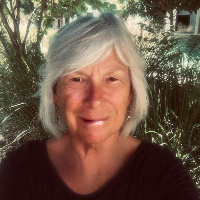
About Lauren
Lauren Ball is a Licensed Clinical Social Worker (LCSW) in California with 21 years of experience. She works with people dealing with stress, anxiety, depression, mood swings, relationship and family concerns, parenting strain, trauma and abuse, and related issues. She also supports those facing addiction, anger, low self-esteem, career stress, and major life changes.
Her approach emphasizes practical steps and present-focused work. Lauren helps people identify goals and finds straightforward strategies that fit day-to-day life. She often avoids lengthy analysis of the past, though she will look at past patterns when that helps explain current problems.
Lauren uses methods drawn from Cognitive Behavioral Therapy (CBT), Dialectical Behavior Therapy (DBT), Solution-Focused Therapy, and Trauma-Focused Therapy. Sessions include skills practice, coping strategies, and problem-solving aimed at measurable progress. She tracks goals and reassesses approaches as work unfolds.
She brings specific experience supporting people affected by adoption and foster care issues, blended family challenges, caregiver stress, chronic illness and pain, codependency, divorce and separation, family-of-origin problems, infidelity, post-traumatic stress, sexual assault and abuse, workplace difficulties, and young adult concerns. Mood disorders are listed among her focus areas.
Lauren offers straightforward guidance and coaching alongside clinical work when that suits a person's goals. Her practice reflects long experience in California settings and a preference for clear, practical steps rather than clinical jargon.
How her approaches translate to online work
Lauren commonly uses Cognitive Behavioral Therapy and Dialectical Behavior Therapy in practical ways. CBT focuses on identifying unhelpful thoughts and testing them with real-life behavior changes to reduce anxiety and low mood. DBT centers on building emotion regulation, distress tolerance, and interpersonal skills that help when mood swings or anger get in the way of daily life.Choosing the right approach is collaborative. She will talk with each person about goals and preferences, then try methods that match those aims. Progress is checked along the way and adjustments are made when needed so the work stays relevant and useful.
The biography does not list specific session formats here, so please confirm available session types before booking. Online sessions can help fit therapy into a busy schedule by reducing travel time, allowing shorter check-ins when needed, and making it easier to schedule sessions around work or caregiving. Many people find that skills practice, homework, and progress tracking translate well to remote sessions when they are combined with a clear plan for each appointment.
Areas of expertise
Primary focus
Also works with
Additional focus areas
Therapeutic approaches
Experience
21+ years
Credentials
California
Languages
English
Frequently asked questions
What concerns does she address?
She works with stress, anxiety, depression, mood disorders, relationship and family issues, trauma, parenting challenges, and related problems.
What is her therapeutic style?
Her style is present-focused and practical, emphasizing skills, problem-solving, and measurable goals rather than long discussions of the past.
How much experience does she have?
She has 21 years of clinical experience working in California with a wide range of concerns including trauma and substance use issues.
What credentials and location are listed?
She is a California Licensed Clinical Social Worker (LCSW) based in California.
Which languages are sessions offered in?
Sessions are offered in English only.
Does she work with international clients?
She does not accept international clients at this time.
How does cost and billing work?
Rates vary with location and sessions use a subscription model that can be canceled at any time.
How do I begin a first session?
Click the See online therapy options button, complete a short matching questionnaire, and schedule a first session.
Before you reach out
- Check that the state license on record covers the state you live in.
- You do not need a diagnosis or the right words. Saying "my mood has been up and down" or "I have felt low for weeks" is a fine place to start.
- Counselors offer talking support. Questions about medication belong with a doctor or psychiatrist, and the two can go side by side.
- A profile shows the topics a counselor lists; it is not a diagnosis or a promise of any result.
If you feel unsafe right now, call or text 988, or call 911.