- CBT
- DBT skills
- Solution focused
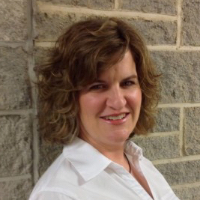
About Laurie
Laurie Mombay is a Licensed Clinical Professional Counselor (LCPC) in Maryland with 18 years of experience. She works with people who are dealing with depression, anxiety, anger, mood swings, trauma, and related concerns. She also supports those coping with grief, sleep problems, bipolar mood concerns, and compassion fatigue.
Laurie trained with a Master of Arts in Pastoral Counseling from Loyola College, though much of her clinical work has been in secular settings. Her experience includes outpatient care, employee assistance programs, victim advocacy, and work in corrections. That background shapes how she thinks about practical supports and safety in difficult situations.
Her main therapy approach is cognitive behavioral therapy, and she draws heavily on dialectical behavior therapy skills when mood or impulse control are central issues. She also uses solution-focused techniques to help people set concrete goals and notice small changes.
In sessions she listens closely, offers direct feedback, and practices skills with clients so they can use them day to day. Laurie emphasizes applying insight to real-life actions, such as improving sleep routines, managing anger, or reducing panic symptoms.
She provides care in English and practices in Maryland. People who want to begin can follow the site process to match and schedule an initial appointment. Laurie does not take international clients.
How her approaches translate to online work
Laurie uses cognitive behavioral therapy to help people identify unhelpful thinking and test new behaviors. CBT focuses on practical changes in thinking and routine that can reduce low mood and anxiety. Dialectical behavior therapy provides skills for regulating intense emotions, tolerating distress, and improving interpersonal effectiveness, which can be useful when mood swings or impulsivity are issues.Choosing the right approach is part of the process. She will work with each person to decide which methods best match their goals and circumstances. That decision is collaborative and can change as progress is made.
Session logistics should be confirmed before booking as formats are not specified in the biography. Ask about the available session options so you can pick what fits your life. Online work can make it easier to fit appointments into a busy schedule, allow shorter check-ins when time is tight, or remove the need to commute to an office. Therapists trained in these approaches can still teach and practice CBT and DBT skills effectively in virtual sessions when the practical setup fits the client's needs.
Areas of expertise
Primary focus
Also works with
Additional focus areas
Therapeutic approaches
Experience
18+ years
Credentials
Maryland
Languages
English
Frequently asked questions
What concerns does she handle?
She works with depression, anxiety, mood disorders, anger, grief, trauma, sleep problems, and related issues such as panic and personality concerns.
What methods does she use in sessions?
Her primary approaches are cognitive behavioral therapy, dialectical behavior therapy skills, and solution-focused techniques to set goals and build practical skills.
How much experience does she have?
She has 18 years of clinical experience across outpatient settings, employee assistance programs, victim advocacy, and corrections work.
What are her credentials and location?
She is an LCPC licensed in Maryland and practices there.
Are sessions available in other languages?
Sessions are offered in English.
Can people outside the United States work with her?
She is not accepting international clients.
How are costs handled?
Cost varies with location; sessions use a subscription that can be canceled at any time.
What steps are needed to begin?
Use the See online therapy options button, complete a short matching questionnaire, and schedule your first session.
Before you reach out
- Check that the state license on record covers the state you live in.
- You do not need a diagnosis or the right words. Saying "my mood has been up and down" or "I have felt low for weeks" is a fine place to start.
- Counselors offer talking support. Questions about medication belong with a doctor or psychiatrist, and the two can go side by side.
- A profile shows the topics a counselor lists; it is not a diagnosis or a promise of any result.
If you feel unsafe right now, call or text 988, or call 911.