- Stress and anxiety
- Grief and loss
- Chronic illness support
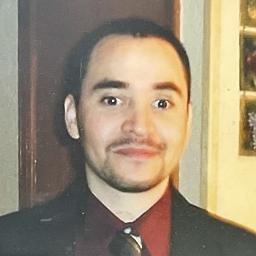
About Lorenzo
Lorenzo Marmolejo is a Licensed Clinical Social Worker (LCSW) in Texas with three years of clinical experience. He works with people facing stress, anxiety, grief, anger, and low mood. He also supports those living with chronic pain, illness, disability, and adjustment after traumatic brain injury.
Lorenzo speaks English and Spanish. He has worked in hospitals, schools, and community agencies during and after graduate social work training. Much of his work has focused on helping adults manage the effects of trauma and loss in daily life.
In sessions he focuses on practical steps that make day-to-day life more manageable. He and the client look at patterns that keep problems going and try new ways of coping. Conversations are direct and focused on concrete changes the person can try between sessions.
Lorenzo helps people clarify what matters to them and set short-term goals. He draws on evidence-based therapeutic techniques to address mood problems, social anxiety, and post-traumatic stress. He also adapts strategies to the challenges of chronic illness and vision impairment.
People who choose him typically want straightforward guidance, tools for managing strong emotions, and clearer direction after loss or a difficult event. To begin, clients use the platform questionnaire to match and schedule a first session.
Approaches used and how online sessions work
Lorenzo uses established, evidence-based techniques to guide his work. Cognitive-behavioral approaches focus on identifying unhelpful thoughts and behaviors and testing new ways of thinking and acting; this helps with anxiety, low mood, and social fears. Trauma-informed methods attend to the impact of past stressful events and teach grounding and emotion regulation skills to reduce distress after trauma.Choosing the right approach is collaborative. He will discuss options with each person and adjust methods based on the client's goals, symptoms, and preferences. The aim is to find practical tools that fit the client's life and to review what is or is not helping as therapy progresses.
The platform indicates session options during the matching and scheduling steps. Because specific formats are not listed in his biography, confirm current session types before booking. Online sessions can make it easier to fit meetings into a workday, reduce travel time, and allow shorter check-ins when needed. Therapists and licensed professionals commonly use these benefits to help clients maintain steady progress without major schedule disruptions.
Areas of expertise
Primary focus
Additional focus areas
Experience
3+ years
Credentials
Texas
Languages
English, Spanish
Frequently asked questions
What concerns does he address?
He works with stress, anxiety, trauma and abuse, grief, anger, and self esteem issues. Additional focus areas include chronic pain, mood disorders, post-traumatic stress, social anxiety, traumatic brain injury, and visual impairment.
What is his therapeutic approach like?
He uses evidence-based therapeutic techniques and focuses on practical steps. Sessions emphasize identifying patterns and trying concrete coping strategies between meetings.
How much clinical experience does he have?
He has three years of experience working in settings such as hospitals, schools, and community agencies. Much of his practice followed graduate social work training.
What are his credentials and where is he located?
He is a Licensed Clinical Social Worker (LCSW) licensed in Texas and practices from that state.
Which languages can sessions be held in?
Sessions are offered in English and Spanish.
Are international clients accepted?
International clients are not currently accepted.
How are sessions paid for and what does it cost?
Cost varies by location and services use a subscription that can be canceled at any time. Specific pricing is provided through the platform based on your region.
How do I begin with him?
Select the See online therapy options button, complete the short matching questionnaire, and schedule a first session. That starts the process of connecting and planning next steps.
Before you reach out
- Check that the state license on record covers the state you live in.
- You do not need a diagnosis or the right words. Saying "my mood has been up and down" or "I have felt low for weeks" is a fine place to start.
- Counselors offer talking support. Questions about medication belong with a doctor or psychiatrist, and the two can go side by side.
- A profile shows the topics a counselor lists; it is not a diagnosis or a promise of any result.
If you feel unsafe right now, call or text 988, or call 911.