- Stress and anxiety
- Depression support
- Trauma and anger
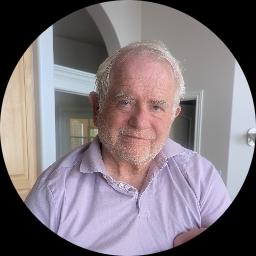
About Mark
Mark Jim Shelton is an LCSW licensed in Utah with 40 years of clinical experience. He works with people who struggle with stress, anxiety, relationship problems, trauma and abuse, anger, and depression. He also addresses related concerns such as chronic pain, addiction, OCD, panic, and mood disorders.
He starts by listening to each person's story and recognizing the strengths they already have. He treats people as the experts on their own lives and helps them build on what is working. Sessions focus on practical steps and clear goals rather than jargon or long lectures.
Mark draws on evidence-based therapeutic techniques to help people manage symptoms, reduce intense reactions, and improve day-to-day functioning. He offers straightforward tools for handling panic, intrusive thoughts, and anger, and practical strategies for managing low mood and long periods of feeling down.
Over four decades of work have included many different settings and client concerns, so he is comfortable addressing issues that overlap, like substance use and family of origin problems. He helps people consider how health issues or chronic pain affect mood and coping skills.
Mark conducts sessions in English and accepts international clients. Sessions use a subscription model that can be canceled at any time, and cost varies by location. To begin, prospective clients complete a short matching questionnaire and schedule a first session.
How his approaches translate to online sessions
Mark uses evidence-based therapeutic techniques that focus on skills and behavior change. One common approach helps people identify unhelpful thought patterns and replace them with more balanced thinking, which can reduce worry, panic, and low mood. Another method focuses on practical coping strategies for intense feelings, teaching breathing, grounding, and step-by-step plans to manage anger, panic attacks, or intrusive thoughts.Finding the right approach is a collaborative process. He will work with each person to decide which techniques fit their goals and circumstances, and adjust the plan as progress is made. The emphasis is on clear goals and measurable steps rather than on labels or guarantees.
Confirm the specific session formats before booking, as the original biography does not list individual delivery methods. Online work can make it easier to fit therapy into a busy life, allowing for shorter check-ins, sessions that avoid travel time, or appointments outside of a typical commute. Many people find remote sessions help maintain continuity of care when schedules or locations change, and a therapist can recommend how to shape sessions so they work with day-to-day routines.
Areas of expertise
Primary focus
Additional focus areas
Experience
40+ years
Credentials
Utah
Languages
English
Frequently asked questions
What concerns does he address?
He works with stress, anxiety, relationship issues, trauma and abuse, anger, and depression, plus related areas such as addiction, OCD, panic, and mood disorders.
What is his therapeutic style?
He uses evidence-based therapeutic techniques and focuses on practical steps and clear goals to reduce symptoms and improve daily functioning.
How long has he practiced?
He has 40 years of professional experience in a variety of clinical settings.
What are his credentials and where is he based?
He is an LCSW licensed in Utah and practices from that state.
Does he offer sessions in other languages?
Sessions are offered in English.
Can international clients work with him?
Yes, he accepts international clients.
How are sessions priced?
Cost varies with location and sessions use a subscription that can be canceled at any time.
How do I begin a first session?
Select the See online therapy options button, complete a short matching questionnaire, and schedule a first session.
Before you reach out
- Check that the state license on record covers the state you live in.
- You do not need a diagnosis or the right words. Saying "my mood has been up and down" or "I have felt low for weeks" is a fine place to start.
- Counselors offer talking support. Questions about medication belong with a doctor or psychiatrist, and the two can go side by side.
- A profile shows the topics a counselor lists; it is not a diagnosis or a promise of any result.
If you feel unsafe right now, call or text 988, or call 911.