- Client-Centered Therapy
- Cognitive Behavioral Therapy
- Emotion-Focused work
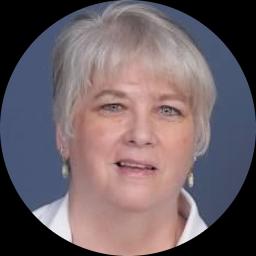
About Mary
Mary Widseth is an LPC (Licensed Professional Counselor) practicing in Minnesota with seven years of experience. She works with adults on concerns such as depression, anxiety, bipolar moods, relationship and family issues, trauma and abuse, grief, substance use, ADHD, and parenting challenges. Mary also supports people facing life transitions, sleep problems, anger, low self-esteem, career stress, and intimacy-related issues.
She earned a master’s degree in Community Psychology and Rehabilitation Counseling from Saint Cloud State University and a bachelor’s degree in Vocational Rehabilitation from the University of Wisconsin–Stout. Her background includes a certificate in autism and experience working with adults with cognitive, communication, or physical challenges in vocational settings.
Earlier work included arranging job placements, on-the-job training, and coordinating with employers and staff when language or communication differences were present. She has used picture books, rebus boards, and sign language to bridge communication gaps. Mary notes that her own experience with cerebral palsy shaped her approach to problem solving and accessibility in practical settings.
After graduate school she spent two years providing in-home therapy for children aged 7 to 18 and their families, and then two years working in an office setting with adults and children. In those roles she focused on emotional regulation, communication skills, social and family relationship patterns, and behavior strategies for both children and adults.
Mary uses a range of therapeutic methods in her work, drawing from client-centered approaches, cognitive behavioral techniques, dialectical behavior strategies, emotionally-focused work, and EMDR where appropriate. She aims to help people learn practical skills for managing mood, relationships, and daily functioning.
Therapeutic approaches used in online sessions
Mary commonly uses Client-Centered Therapy, which focuses on listening, reflecting, and helping people clarify what matters to them. This approach supports people who are coping with low mood, relationship friction, or the stress of life changes.She also uses Cognitive Behavioral Therapy (CBT) to identify unhelpful thinking patterns and try practical behavior changes. CBT is often used for depression, anxiety, sleep problems, and mood regulation. Dialectical Behavior Therapy (DBT) skills are used when stronger emotion regulation and distress tolerance strategies are needed for mood swings and anger management.
Finding the right approach is part of the work together. Mary will discuss options, try methods that fit the person's goals, and adjust the plan based on how well techniques are working. The process is collaborative and decisions about techniques are made with the client.
The original biography did not specify which online formats are offered, so confirm current session options before booking. Online work can make it easier to fit sessions into a busy week, allow shorter check-ins when needed, and reduce travel time. Therapists can combine written tools, guided exercises, and conversation-based sessions to help people apply skills between meetings.
Areas of expertise
Primary focus
Also works with
Additional focus areas
Therapeutic approaches
Experience
7+ years
Credentials
Minnesota
Languages
English
Frequently asked questions
What types of concerns does she address?
She works with adults on depression, anxiety, bipolar mood issues, trauma, relationship and family concerns, grief, addiction, ADHD, sleep problems, and related life changes.
What methods does she use in sessions?
Mary draws on Client-Centered Therapy, Cognitive Behavioral Therapy (CBT), Dialectical Behavior Therapy (DBT), Emotionally-Focused Therapy (EFT), and EMDR techniques as part of her practice.
How much clinical experience does she have?
She has seven years of professional experience working with adults and with children in both in-home and office settings.
What are her credentials and where does she practice?
She is an LPC (Licensed Professional Counselor) licensed in Minnesota and practices in Minnesota.
Can sessions be conducted in other languages?
Sessions are offered in English; other-language support is not listed.
What session formats are offered?
The original profile does not list specific session formats; please confirm current session options before booking.
How are fees handled?
Cost varies with location and sessions use a subscription that can be canceled at any time.
How do I begin if I want to work with her?
Select the See online therapy options button, complete the short matching questionnaire, and schedule a first session.
Before you reach out
- Check that the state license on record covers the state you live in.
- You do not need a diagnosis or the right words. Saying "my mood has been up and down" or "I have felt low for weeks" is a fine place to start.
- Counselors offer talking support. Questions about medication belong with a doctor or psychiatrist, and the two can go side by side.
- A profile shows the topics a counselor lists; it is not a diagnosis or a promise of any result.
If you feel unsafe right now, call or text 988, or call 911.