- CBT techniques
- EMDR for trauma
- Mindfulness practice
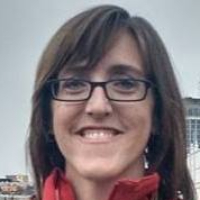
About Michelle
Michelle McHugh is a Licensed Independent Clinical Social Worker (LICSW) and Licensed Clinical Social Worker (LCSW) with 23 years of experience. She works with people facing stress, anxiety, addiction, trauma and mood-related concerns including depression and bipolar. Michelle also supports those dealing with relationship strain, grief, sleep problems, low self-esteem, and life changes.
She trained at New York University School of Social Work and has worked across inpatient addiction programs, psychiatric facilities, and outpatient clinics. That range means she is familiar with crisis care, longer-term therapy, and recovery settings. She also has extensive experience with military populations through more than a decade of service as a Behavioral Health Officer in the Army National Guard and work with veterans.
Her clinical approach blends practical, skills-based methods. She uses Cognitive Behavioral Therapy to address thought and behavior patterns. Mindfulness practices and Motivational Interviewing help with coping and motivation. She also uses Eye Movement Desensitization and Reprocessing for trauma-related distress.
Sessions emphasize collaboration and nonstigmatizing language. Michelle aims to help people set clear goals, practice new skills, and reduce shame related to addiction or trauma. She integrates 12-step principles when appropriate and draws on trauma-focused methods for post-traumatic stress.
People often seek her care for mood disorders, seasonal affective shifts, and substance-related issues alongside anxiety or trauma. Michelle works in Arkansas and offers services in English, and she accepts international clients.
How her approaches translate to online care
Michelle commonly uses Cognitive Behavioral Therapy and EMDR alongside mindfulness practices. CBT focuses on identifying unhelpful thoughts and testing new behaviors to reduce symptoms like low mood, anxiety, or sleep problems. EMDR works with processing traumatic memories and the distress that follows, often used for PTSD and trauma-related symptoms. Mindfulness teaching helps people build attention and coping skills for stress and mood swings.Choosing the right approach is part of the work together. She will discuss your goals, preferences, and history to decide which methods to try first. That collaborative process can involve trying skill-building, trauma-focused work, or a mix depending on progress and comfort.
If you are considering sessions at a distance, confirm the available session formats before booking since the biography does not list specific options. Online sessions can make it easier to fit appointments into a busy week, shorten travel time, and allow shorter check-ins when needed. They can also let people practice skills in real-life settings between sessions. Michelle will help match session style and frequency to what fits the client’s everyday life.
Areas of expertise
Primary focus
Also works with
Additional focus areas
Therapeutic approaches
Experience
23+ years
Credentials
Alabama, Arkansas
Languages
English
Frequently asked questions
What kinds of concerns does she address?
She works with stress, anxiety, depression, bipolar mood issues, addictions, trauma and related problems such as grief and sleep disturbance.
What is her therapeutic style?
Her style is collaborative and goal-focused, using practical skills and avoiding stigmatizing labels.
How much clinical experience does she have?
Michelle has 23 years of clinical experience across inpatient and outpatient settings and long-term service as a Behavioral Health Officer in the Army National Guard.
What credentials and location apply?
She holds LICSW and LCSW credentials and practices in Arkansas, with licensure noted for Alabama and Arkansas.
Does she work in other languages or with international clients?
Sessions are offered in English, and she accepts international clients.
Which session formats are offered?
Please confirm current session format options before booking as the biography does not list specific formats.
How are fees handled?
Cost varies by location and sessions use a subscription that can be canceled at any time.
How do I get started with a first session?
Select the See online therapy options button, complete the short matching questionnaire, and schedule a first session.
Before you reach out
- Check that the state license on record covers the state you live in.
- You do not need a diagnosis or the right words. Saying "my mood has been up and down" or "I have felt low for weeks" is a fine place to start.
- Counselors offer talking support. Questions about medication belong with a doctor or psychiatrist, and the two can go side by side.
- A profile shows the topics a counselor lists; it is not a diagnosis or a promise of any result.
If you feel unsafe right now, call or text 988, or call 911.