- CBT
- Motivational Interviewing
- Trauma work
About Monique
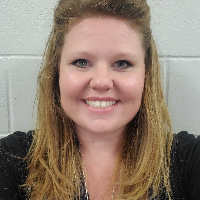
Monique Paulus is a Licensed Clinical Social Worker (LCSW) with 13 years of experience practicing in Idaho. She works with people facing mood-related struggles such as depression, bipolar concerns, anxiety, and stress, and addresses addictions and trauma when these affect daily life.
She uses straightforward methods to help people manage symptoms and make changes that matter day to day. Sessions focus on practical skills, clear problem solving, and building strategies to cope with low moods, intense mood swings, and overwhelming stress. She also helps people reduce substance use and process traumatic events in a paced way.
Her approach blends Cognitive Behavioral Therapy, Motivational Interviewing, and Trauma-Focused Therapy. That blend supports goal setting, changing unhelpful thinking patterns, and working through traumatic memories or reactions. She explains techniques in plain language and practices them together with the person in session.
Monique has particular experience with first responder issues, caregiver stress, and adoption and foster care matters. She also addresses relationship challenges, intimacy concerns, body image, and the effects of grief and life transitions. She offers a direct, practical style aimed at day-to-day improvements.
Sessions are conducted in English and reflect her background as an LCSW licensed in Arizona and Montana as well as Idaho. People considering work with her complete a short questionnaire and schedule a first session to see if the approach fits.
How her approaches are used in online sessions
Monique uses Cognitive Behavioral Therapy to help people notice and change thinking and behavior patterns that deepen low mood or anxiety. CBT sessions often include practical skills, simple experiments, and short exercises to try between meetings.She also uses Motivational Interviewing to support people who feel stuck or unsure about change. That approach focuses on clarifying personal goals and strengthening motivation rather than pushing advice.
Trauma-Focused Therapy is used when past events continue to affect mood and functioning. Work here moves at the person’s pace and combines grounding skills with targeted processing of distressing memories or reactions.
Finding the right approach is part of the work. Monique collaborates with each person to choose methods that match their needs, goals, and preferences. She checks in regularly and adjusts techniques as progress is made.
The site asks new clients to complete a short matching questionnaire and then schedule a first session. Session formats are not specified in the biography, so confirm current session options before booking. Online work can make it easier to fit sessions into busy lives by reducing travel and offering more flexible scheduling.
Areas of expertise
Primary focus
Also works with
Additional focus areas
Therapeutic approaches
Experience
13+ years
Credentials
Montana, Arizona, Idaho
Languages
English
Frequently asked questions
What concerns does she address?
She works with depression, bipolar-related mood concerns, anxiety, stress, addictions, trauma, and related relationship or intimacy issues.
What methods does she use in sessions?
She draws on Cognitive Behavioral Therapy, Motivational Interviewing, and Trauma-Focused Therapy to teach skills and process difficult experiences.
How long has she been practicing?
She has 13 years of clinical experience working with mood and trauma related concerns.
What are her credentials and where is she based?
She is a Licensed Clinical Social Worker (LCSW) practicing from Idaho and holds LCSW credentials in Arizona and Montana as noted.
Which languages are supported?
Sessions are offered in English.
Can international clients work with her?
She does not accept international clients at this time.
How are costs handled?
Cost varies by location and sessions use a subscription that can be canceled at any time.
How do I begin a first session?
Select the See online therapy options button, complete the short matching questionnaire, and schedule a first session.
Before you reach out
- Check that the state license on record covers the state you live in.
- You do not need a diagnosis or the right words. Saying "my mood has been up and down" or "I have felt low for weeks" is a fine place to start.
- Counselors offer talking support. Questions about medication belong with a doctor or psychiatrist, and the two can go side by side.
- A profile shows the topics a counselor lists; it is not a diagnosis or a promise of any result.
If you feel unsafe right now, call or text 988, or call 911.