- Cognitive Behavioral Therapy
- Mindfulness Therapy
- Psychodynamic approach
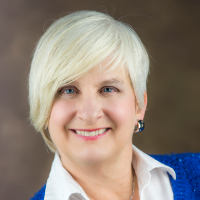
About Nancy
Dr. Nancy Simpson is a SC Psychologist (license SC Psychologist 731) with 20 years of professional experience. She lists stress, anxiety, depression, bipolar disorder, parenting concerns, relationship and family issues, grief, and mood disorders among the areas she addresses. She offers straightforward, person-focused care for adults who are feeling stuck, low, or overwhelmed.
Before returning to clinical work she spent three decades teaching psychology at a community college in South Carolina. Earlier in her career she practiced in both inpatient and outpatient settings and carried out neuropsychological assessments. That background gives her a broad view of how mood and life events can affect thinking, behavior, and daily routines.
Her approach draws on Cognitive Behavioral Therapy, Mindfulness Therapy, Psychodynamic Therapy, and Solution-Focused Therapy. In sessions she helps people recognize unhelpful thinking patterns, practice present-moment awareness, consider how past experiences shape current reactions, and set practical steps for change.
She often works with people facing caregiving strain, cancer or hospice-related stress, postpartum and seasonal mood changes, or career and life-stage transitions. She also supports those dealing with compassion fatigue and issues related to aging and geriatric care.
Outside of psychology she runs a small hobby farm and engages in traditional crafts such as cheesemaking, beekeeping, spinning, and weaving. Her background in teaching and clinical practice informs a practical style focused on clear goals and manageable steps.
How therapy approaches translate to online sessions
Dr. Simpson uses Cognitive Behavioral Therapy to help people identify and change unhelpful thoughts and behaviors; this approach often involves setting small, practical goals and trying new skills between sessions. She also incorporates Mindfulness Therapy, which focuses on present-moment awareness and simple practices to reduce reactivity and improve regulation. Psychodynamic work is used to consider how past relationships and experiences influence current mood and patterns, bringing those connections into the conversation.Finding the right approach is part of the early work. She discusses options with each person and makes choices together based on symptoms, goals, and what feels manageable. That collaborative process helps shape whether sessions lean more toward skill-building, reflective exploration, or a mix of both.
Session formats are not specified in the available biography, so confirm the current online options before booking. Online sessions can make it easier to fit care into a busy life - sessions can be scheduled around work breaks, reduce travel time, and allow follow-up conversations without rearranging the day. Therapists and licensed professionals commonly use these practical benefits to help people maintain consistency with therapy while balancing everyday responsibilities.
Areas of expertise
Primary focus
Also works with
Additional focus areas
Therapeutic approaches
Experience
20+ years
Credentials
South Carolina
Languages
English
Frequently asked questions
What concerns does she help with?
She works with stress, anxiety, depression, bipolar disorder, mood disorders, grief, parenting concerns, relationship and family issues, and related life changes.
What methods does she use in sessions?
She uses Cognitive Behavioral Therapy, Mindfulness Therapy, Psychodynamic Therapy, and Solution-Focused Therapy to help people change thinking patterns, practice awareness, and set concrete goals.
How much experience does she have?
She has 20 years of professional experience and previously practiced in inpatient and outpatient settings before a long teaching career.
What are her credentials and location?
She is listed as SC Psychologist 731 and practices in South Carolina.
Does she offer sessions in other languages or to international clients?
Sessions are offered in English and she is not accepting international clients.
What session formats are available?
Session formats are not specified here; please confirm current session options before booking.
How does pricing work?
Cost varies with location and sessions use a subscription that can be canceled at any time.
How do I get started with a first session?
Select the See online therapy options button, complete the short matching questionnaire, and schedule a first session.
Before you reach out
- Check that the state license on record covers the state you live in.
- You do not need a diagnosis or the right words. Saying "my mood has been up and down" or "I have felt low for weeks" is a fine place to start.
- Counselors offer talking support. Questions about medication belong with a doctor or psychiatrist, and the two can go side by side.
- A profile shows the topics a counselor lists; it is not a diagnosis or a promise of any result.
If you feel unsafe right now, call or text 988, or call 911.