- Depression and bipolar
- Anxiety and stress
- Parenting and family
About Nicole
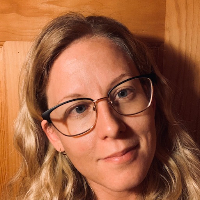
Nicole Phelan is a Licensed Clinical Social Worker (LCSW) based in Maine with nine years of clinical experience. She works with people facing depression, anxiety, parenting and family problems, trauma and abuse, ADHD, bipolar mood concerns, and related stress. Sessions are conducted in English and she does not accept international clients.
Nicole's approach is direct and interactive. She combines practical talk with structured methods so people can notice small shifts in daily life. She often recommends activities outdoors as a way to bolster self-esteem and coping. Conversations focus on what is happening now and what can be changed next.
Her background includes work with people who have experienced physical or sexual trauma and emotional abuse. She has also supported those dealing with attachment issues, eating-related concerns, anger, relationship conflict, grief from separation or divorce, and the effects of major life changes. Nicole spent eight years in the Army Reserve and served on active duty in 2003-2004; that experience informs how she listens to people with military backgrounds.
In sessions she uses approaches such as Acceptance and Commitment Therapy, Cognitive Behavioral Therapy, and attachment-based ideas alongside other therapeutic methods. Clients can expect clear conversation, exploration of coping strategies, and practical steps to try between meetings. The work aims to reduce daily distress and increase usable skills, not to promise a specific outcome.
To begin, people choose the online therapy options button, complete a short matching questionnaire, and schedule a first session. Cost varies by location and sessions use a subscription that can be canceled at any time.
How her approaches translate to online work
Acceptance and Commitment Therapy (ACT) focuses on noticing thoughts and feelings without getting stuck in them, then choosing actions that align with personal values. It can help when mood swings or avoidance get in the way of everyday life. Cognitive Behavioral Therapy (CBT) looks at the links between thoughts, feelings, and behaviors and uses practical exercises to change unhelpful patterns that maintain low mood or anxiety. Attachment-Based Therapy pays attention to how early relationships affect current connections and coping, and can be useful for people who struggle with trust, abandonment worries, or family conflict.Deciding which approach to use is part of the work. The therapist collaborates with each person to identify goals and preferences, and then tries methods that fit those goals. That process may combine ideas from different approaches and can change as needs shift.
Confirm the exact session formats before booking, since formats are not specified here. Online sessions can make it easier to fit therapy into a busy life, such as shorter check-ins during a work break or avoiding travel time. They also let people try techniques and then apply them between sessions in day-to-day settings. The therapist will discuss what will work best for scheduling and for practical use in each person's routine.
Areas of expertise
Primary focus
Also works with
Additional focus areas
Therapeutic approaches
Experience
9+ years
Credentials
Maine
Languages
English
Frequently asked questions
What kinds of concerns does she address?
She works with depression, bipolar mood concerns, anxiety, trauma and abuse, parenting and family problems, ADHD, and related stress and coping issues.
What is her therapeutic style like?
Her style is direct and interactive. Sessions emphasize practical conversation, skill building, and trying small changes between meetings.
How much clinical experience does she have?
She has nine years of clinical experience as a Licensed Clinical Social Worker.
Where is she located and licensed?
She is located in Maine and holds the credential ME LCSW.
Which languages are supported?
Sessions are offered in English.
Does she work with international clients?
She does not accept international clients at this time.
How are sessions scheduled and what do they cost?
Cost varies with location; sessions use a subscription that can be canceled at any time.
How do I start a first session?
Click the See online therapy options button, fill out a short matching questionnaire, and schedule your first session.
Before you reach out
- Check that the state license on record covers the state you live in.
- You do not need a diagnosis or the right words. Saying "my mood has been up and down" or "I have felt low for weeks" is a fine place to start.
- Counselors offer talking support. Questions about medication belong with a doctor or psychiatrist, and the two can go side by side.
- A profile shows the topics a counselor lists; it is not a diagnosis or a promise of any result.
If you feel unsafe right now, call or text 988, or call 911.