- Mindfulness therapy
- Cognitive behavioral therapy
- Attachment work
About Rebecca
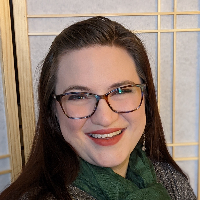
Rebecca Preston is a Licensed Mental Health Counselor (LMHC) in New York with eight years of clinical experience. She works with people who are dealing with substance use and the emotional and relational problems that often come with addiction. She also helps individuals managing mood concerns such as anxiety, depression, and bipolar disorder, plus related issues like sleep problems and low self-esteem.
Preston has worked with people who have complex trauma and childhood attachment difficulties. Her caseload has included a wide range of cultural backgrounds and ages. She brings a straightforward, person-focused way of working that keeps conversations grounded and practical.
In sessions she often uses mindfulness-based approaches alongside cognitive tools to help people notice patterns and try different responses. Attachment-based ideas guide work on relationship and trust issues, and solution-focused steps help people set short-term goals they can act on. She aims to offer concrete coping skills for anger, stress, and grief.
Her practice also addresses addictions, compassion fatigue, ADHD, and challenges such as body image, codependency, and caregiver stress. When trauma is part of the picture, she uses trauma-informed methods and attends to safety and pacing during the work.
Rebecca describes her style as direct but warm, with room for lightness when it helps. She encourages manageable changes, like brief mindfulness practices, behavioral experiments, and clearer communication strategies. Prospective clients should confirm current session options before booking.
How her approaches translate to online sessions
Rebecca uses a mix of mindfulness practice and cognitive behavioral techniques in her work. Mindfulness methods focus on noticing thoughts and bodily sensations, which can help with anxiety, low mood, and sleep concerns. Cognitive behavioral work looks at unhelpful thinking and behavior patterns, and introduces small experiments to test new ways of reacting.Attachment-based ideas are also part of her toolkit. These approaches help people understand patterns in relationships and build clearer communication and trust over time. Together these methods aim to make day-to-day routines and relationships feel more manageable.
Finding the right way of working is part of the process. She will discuss goals, preferences, and practical needs with each person and adapt the plan as those needs change. This collaborative approach helps decide which techniques to try first and how to pace the work.
The original biography does not list specific online formats. Please confirm the session formats offered before booking. Online appointments can make it easier to fit sessions into a busy life, allow shorter check-ins when needed, and let people choose quieter surroundings or avoid a commute. Therapists can also use brief mindfulness exercises and behavioral homework that fit into everyday routines.
Areas of expertise
Primary focus
Also works with
Additional focus areas
Therapeutic approaches
Experience
8+ years
Credentials
New York
Languages
English
Frequently asked questions
What concerns does she address?
She works with stress, anxiety, addictions, trauma and mood issues including depression and bipolar symptoms.
What methods does she use in sessions?
Her work draws on mindfulness-based counseling, client-centered techniques, cognitive behavioral therapy, attachment ideas, and solution-focused steps.
How much clinical experience does she have?
She has eight years of clinical experience working with people who face addiction, trauma, mood concerns, and related issues.
What are her credentials and where does she practice?
She is a Licensed Mental Health Counselor (LMHC) licensed in New York and practices from New York.
Does she offer sessions in other languages or to international clients?
Sessions are offered in English and she is not currently accepting international clients.
What session formats are available?
The original biography does not specify session formats; please confirm current session options before booking.
How are fees handled?
Cost varies with location and sessions use a subscription that can be canceled at any time.
How do I begin working with her?
Start by selecting the See online therapy options button, complete the short matching questionnaire, and then schedule a first session.
Before you reach out
- Check that the state license on record covers the state you live in.
- You do not need a diagnosis or the right words. Saying "my mood has been up and down" or "I have felt low for weeks" is a fine place to start.
- Counselors offer talking support. Questions about medication belong with a doctor or psychiatrist, and the two can go side by side.
- A profile shows the topics a counselor lists; it is not a diagnosis or a promise of any result.
If you feel unsafe right now, call or text 988, or call 911.