- Mood disorders
- Addictions
- CBT and DBT methods
About Roseann
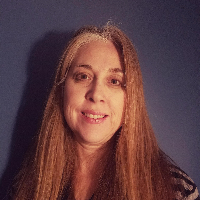
Roseann Smith is a Licensed Clinical Social Worker (LCSW) in Virginia with 16 years of clinical experience. She focuses on mood disorders, depression, anxiety, addictions, trauma and related concerns that can leave someone feeling stuck or overwhelmed.
She has helped people who struggle with bipolar mood episodes and major depressive periods develop practical coping strategies. Her recent work has emphasized addiction and behavioral health, and she often supports people managing both substance use and trauma-related reactions.
Earlier in her career she worked in a college counseling center and gained experience supporting young adults through relationship changes and the transition to adulthood. That background informs how she talks about communication problems, codependency, and the strain of changing roles.
Her approach draws on Client-Centered Therapy, Cognitive Behavioral Therapy (CBT), Dialectical Behavior Therapy (DBT), mindfulness techniques, and Motivational Interviewing. Sessions often include setting small goals to practice between meetings and building skills to manage intense feelings.
She uses straightforward conversation and some light humor to put people at ease while focusing on concrete steps. Roseann helps people identify resources, reduce overwhelming feelings tied to trauma, and strengthen skills for everyday life.
How her therapeutic approaches translate to online work
Client-Centered Therapy focuses on listening and building a respectful working relationship. In online sessions this means the therapist follows the client's lead and helps bring clarity to what feels most important right now.Cognitive Behavioral Therapy (CBT) looks at thoughts, feelings, and behavior to find practical changes. Online CBT can include identifying patterns, practicing new skills between sessions, and reviewing how those exercises worked in daily life.
Dialectical Behavior Therapy (DBT) emphasizes skills for regulating strong emotions and managing distress. When used online, DBT skills training and coaching focus on breathing, grounding, and real-time problem solving useful for mood swings and intense reactions.
Finding the right approach is a collaborative process. The therapist will discuss goals, preferences, and what has or hasn't helped in the past to decide which methods to emphasize. Clients are invited to give feedback so adjustments can be made as work progresses.
Confirm current session formats before booking, as specific options are not listed here. Online work can make sessions easier to fit into a day, allow shorter check-ins when needed, and reduce travel time. The practical aim is to bring therapeutic tools into everyday routines in a way that fits each person's life.
Areas of expertise
Primary focus
Also works with
Additional focus areas
Therapeutic approaches
Experience
16+ years
Credentials
Virginia
Languages
English
Frequently asked questions
What kinds of concerns does she address?
She works with mood disorders, depression, anxiety, addictions, trauma, relationship and family stress, grief, anger, and related issues such as codependency and postpartum depression.
What is her therapeutic style?
She uses a straightforward, conversational style that mixes Client-Centered Therapy with goal-setting and practical skill work from CBT and DBT.
How much clinical experience does she have?
She has 16 years of experience working in Virginia settings that include addiction and behavioral health services and a college counseling center.
What credentials and location should I know?
She is a Licensed Clinical Social Worker (LCSW) practicing in Virginia.
Which languages are offered for sessions?
Sessions are offered in English.
Does she work with international clients?
She does not accept international clients at this time.
How are sessions billed?
Cost varies with location and sessions use a subscription model that can be canceled at any time.
How do I begin a first session?
Click the See online therapy options button, complete a short matching questionnaire, and schedule a first session.
Before you reach out
- Check that the state license on record covers the state you live in.
- You do not need a diagnosis or the right words. Saying "my mood has been up and down" or "I have felt low for weeks" is a fine place to start.
- Counselors offer talking support. Questions about medication belong with a doctor or psychiatrist, and the two can go side by side.
- A profile shows the topics a counselor lists; it is not a diagnosis or a promise of any result.
If you feel unsafe right now, call or text 988, or call 911.