- Client-Centered Therapy
- Cognitive Behavioral Therapy
- Dialectical Behavior Therapy
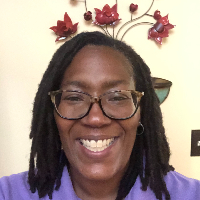
About Roxanne
Roxanne Mitchell is a Licensed Professional Counselor (LPC) in Michigan with seven years of clinical experience. She focuses on concerns such as depression, anxiety, bipolar mood patterns, stress, trauma and abuse, and related issues like addiction and grief. Roxanne also notes work with LGBT matters, first responder trauma, and complicated family dynamics.
She approaches therapy in a collaborative, client-centered way. Sessions begin by identifying a person’s strengths and the problems that get in the way of daily functioning. Roxanne combines clear assessment with practical steps so people can try small changes between sessions.
Her background includes experience with severe emotional disturbance, developmental disabilities, dual diagnosis, domestic violence, and suicidal ideation. That experience informs how she responds during crises and helps her make careful clinical decisions when situations become urgent.
Roxanne uses an eclectic mix of methods drawn from client-centered therapy, cognitive behavioral therapy (CBT), dialectical behavior therapy (DBT), existential ideas, and relationship-focused work like the Gottman Method. She aims to match interventions to each person’s strengths and personality rather than following a single formula.
People who come to her can expect straightforward conversation, an emphasis on skills they can use day to day, and attention to how life context affects mood and behavior. She invites prospective clients to consider what they want to change and to start with a brief matching questionnaire before scheduling a first session.
How her approaches translate to online work
Roxanne commonly uses client-centered methods and cognitive behavioral therapy (CBT) in her work. Client-centered methods focus on listening and following the client’s concerns so goals come from the person. CBT breaks problems into thoughts, feelings, and behaviors and teaches practical skills to shift unhelpful patterns.She also incorporates dialectical behavior therapy (DBT) strategies when emotion regulation and distress tolerance are central issues. DBT provides concrete tools for managing intense emotions and improving interpersonal effectiveness, which can help with mood instability and relationship stress.
Finding the right approach is part of the early sessions. The therapist will review needs, goals, and preferences and then suggest which methods to try. That recommendation is collaborative and may change as work progresses.
The site notes session formats should be confirmed before booking, so check the current options when you sign up. Online work can make it easier to fit appointments into a busy day, allow shorter check-ins when needed, and reduce travel time. Many people find that the practical focus of CBT and the skills taught in DBT translate well to remote sessions, while client-centered discussion supports planning and problem solving.
Areas of expertise
Primary focus
Also works with
Additional focus areas
Therapeutic approaches
Experience
7+ years
Credentials
Michigan
Languages
English
Frequently asked questions
What kinds of concerns does she address?
She works with depression, anxiety, bipolar mood patterns, stress, trauma, and related issues such as addiction, grief, relationship problems, and self-esteem.
What is her therapeutic style?
She uses a client-centered, collaborative approach and draws on CBT and DBT techniques to build practical skills and cope with strong emotions.
How much clinical experience does she have?
She has seven years of experience working with people who face severe emotional disturbance, developmental disabilities, and crisis situations.
Where is she based and what is her credential?
She is a Licensed Professional Counselor (LPC) licensed in Michigan.
Which languages are offered for sessions?
Sessions are offered in English.
Can people outside the U.S. work with her?
International clients are accepted.
How are sessions paid for?
Cost varies by location and sessions use a subscription that can be canceled at any time.
How do I begin a first session?
Use the See online therapy options button, complete a short matching questionnaire, and schedule a first session.
Before you reach out
- Check that the state license on record covers the state you live in.
- You do not need a diagnosis or the right words. Saying "my mood has been up and down" or "I have felt low for weeks" is a fine place to start.
- Counselors offer talking support. Questions about medication belong with a doctor or psychiatrist, and the two can go side by side.
- A profile shows the topics a counselor lists; it is not a diagnosis or a promise of any result.
If you feel unsafe right now, call or text 988, or call 911.