- Stress and anxiety
- Life transitions
- Cognitive and DBT techniques
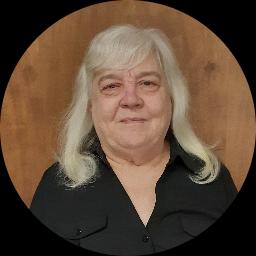
About Sandra
Sandra Quaife is a Licensed Mental Health Counselor (LMHC) in Indiana with 30 years of clinical experience. She focuses on stress, anxiety, relationship concerns, family matters, self-esteem, and career questions. Sandra often works with people navigating major life changes, including young adults moving into new independence and individuals reshaping life after divorce or loss.
Sandra describes herself as less conventional than some therapists. She draws on cognitive therapy techniques and principles from dialectical behavior therapy (DBT) to help people manage intense emotions and interrupt unhelpful thinking patterns. Developmental psychology informs how she looks at life-stage changes and transitions.
Her work also incorporates recovery perspectives when that fits a person’s history. In sessions she aims to be direct and practical, helping someone notice patterns, try different ways of coping, and test small changes between meetings. Conversations are paced to match what each person brings that week.
Sandra spends time on communication problems and codependency, and she supports people facing divorce and separation. She also helps with questions of life purpose, self-love, social anxiety, mood shifts, and young adult issues.
People who prefer straightforward, experienced guidance may find her approach useful. Before booking, readers should confirm current session options and formats to make sure they meet their needs.
Approaches used in online sessions
Many of the methods Sandra uses are evidence-based and focus on thinking and behavior. Cognitive therapy looks at how thoughts affect feelings and actions and helps people test and change unhelpful thinking patterns. Dialectical behavior therapy (DBT) offers skills for emotion regulation, distress tolerance, and better interpersonal effectiveness, which can help when mood swings or intense reactions are a concern.Developmental perspectives are also part of her work, which means she considers how life stage and past experiences shape current responses. Deciding which approach to use is collaborative; Sandra will work with each person to match techniques to their goals, needs, and preferences rather than assuming one way fits everyone.
Session formats are not listed in the biography, so confirm which online options are available before booking. Many people find online sessions easier to fit around work, school, or caregiving because they remove travel and can shorten overall time commitment. Others prefer sessions that allow brief check-ins when life is busy, or longer visits when tackling major transitions. Licensed professionals can offer these flexible ways of meeting, and Sandra can help choose the rhythm and methods that best fit everyday life.
Areas of expertise
Primary focus
Additional focus areas
Experience
30+ years
Credentials
Indiana
Languages
English
Frequently asked questions
What concerns does she address?
Sandra works with stress, anxiety, relationship and family matters, self-esteem, and career concerns. She also focuses on mood disorders, communication problems, codependency, and life transitions.
What is her therapeutic style?
Her style is practical and direct, using cognitive therapy and DBT techniques alongside developmental and recovery perspectives. Sessions emphasize noticing patterns and trying different coping strategies.
How much experience does she have?
She has 30 years of clinical experience working with adults through a range of life changes and emotional concerns.
What are her credentials and location?
She is an LMHC in Indiana. The credential listed is LMHC and the practice is based in Indiana.
In which language are sessions offered?
Sessions are offered in English. International clients are not currently accepted.
What session formats are offered?
Session formats are not specified in the biography. Please confirm current session options before booking.
How is cost handled?
Cost varies with location and sessions are billed through a subscription that can be canceled at any time.
How do I begin working with her?
Use the See online therapy options button, complete the short matching questionnaire, and schedule a first session once matched.
Before you reach out
- Check that the state license on record covers the state you live in.
- You do not need a diagnosis or the right words. Saying "my mood has been up and down" or "I have felt low for weeks" is a fine place to start.
- Counselors offer talking support. Questions about medication belong with a doctor or psychiatrist, and the two can go side by side.
- A profile shows the topics a counselor lists; it is not a diagnosis or a promise of any result.
If you feel unsafe right now, call or text 988, or call 911.