- Client-Centered Therapy
- Cognitive Behavioral Therapy
- Mindfulness techniques
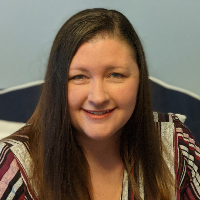
About Sarah
Sarah Veale is a Licensed Professional Counselor (LPC) in Tennessee with 22 years of experience. She works with people who are dealing with stress, anxiety, depression, mood swings, relationship problems, trauma, grief, parenting strain, and other mood-related concerns. She also helps with career stress, self-esteem, anger, and issues tied to personality and impulse control.
She has worked in inpatient settings, residential care, juvenile detention, outpatient independent practice, and managed care across three states. That range means she has seen challenges in many different environments and can draw on varied practical experience. Sarah has treated people who have struggled with substance use, developmental delays, histories of abuse, self-injury, and complex mood concerns.
Her approach is collaborative and skill-focused. Sarah uses client-centered methods to build a working relationship, and she teaches concrete coping skills. She emphasizes education and practice so people can apply what they learn between sessions.
Sarah also uses cognitive behavioral techniques to identify thoughts and behaviors that keep problems going. Mindfulness practices and solution-focused strategies are part of sessions when they fit the goals. The focus is on clear steps people can try and refine over time.
She asks clients to be active in practicing new skills outside sessions and checks progress as therapy continues. Sarah aims to help people increase their understanding of problems and improve how they manage them in daily life.
How her approaches translate to online work
Sarah often combines client-centered techniques with cognitive behavioral therapy (CBT) in sessions. Client-centered methods focus on listening, reflecting concerns, and helping people set goals that matter to them. CBT looks at thoughts and behaviors and teaches concrete tools to reduce symptoms and improve day-to-day coping.Mindfulness work can be added to help people notice thoughts and physical reactions without getting pulled into them. These brief practices are useful for anxiety, low mood, and stress and can be practiced between meetings. Sarah uses solution-focused elements to identify small steps that move a person toward their goals rather than spending all time on history or problem analysis.
Finding the right mix of approaches is part of the early work. She will review your goals and preferences and recommend which methods to start with, then adjust as needed through collaboration. That helps keep sessions practical and relevant.
Confirm current session options before booking so you know how she runs online meetings. If you are considering remote work, online sessions can make scheduling easier and reduce travel time. They can also allow shorter check-ins when a full session is not required, and they can fit around work or caregiving responsibilities. Talk with her about how to shape sessions to fit your routine.
Areas of expertise
Primary focus
Also works with
Additional focus areas
Therapeutic approaches
Experience
22+ years
Credentials
Tennessee
Languages
English
Frequently asked questions
What kinds of concerns does she work with?
She supports people with stress, anxiety, depression, mood disorders, relationship problems, grief, trauma, parenting strain, and related issues.
What is her therapeutic style?
She practices a collaborative, skill-focused style that combines client-centered care with practical techniques people can use between sessions.
How much experience does she have?
She has 22 years of experience working in inpatient, residential, juvenile detention, outpatient, and managed care settings across three states.
What are her credentials and location?
She is a Licensed Professional Counselor (LPC) licensed in Tennessee and practices from that state.
In which language are sessions offered?
Sessions are offered in English.
Does she work with international clients?
She does not accept international clients at this time.
How are sessions billed?
Cost varies by location; sessions use a subscription model that can be canceled at any time.
How do I begin if I want to schedule?
Use the See online therapy options button, complete the short matching questionnaire, and schedule a first session.
Before you reach out
- Check that the state license on record covers the state you live in.
- You do not need a diagnosis or the right words. Saying "my mood has been up and down" or "I have felt low for weeks" is a fine place to start.
- Counselors offer talking support. Questions about medication belong with a doctor or psychiatrist, and the two can go side by side.
- A profile shows the topics a counselor lists; it is not a diagnosis or a promise of any result.
If you feel unsafe right now, call or text 988, or call 911.