- Stress and anxiety
- Trauma and grief
- Communication skills
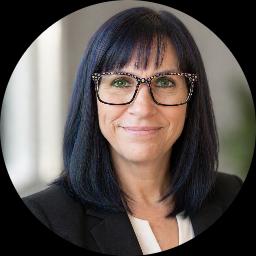
About Sharon
Sharon Peterson is a Licensed Clinical Social Worker (LCSW) in Texas and California with nine years of experience supporting adults who are dealing with stress, anxiety, relationship strain, trauma, and life changes. She describes work with mood-related concerns, ADHD, and the ripple effects of grief, divorce, and major transitions. Sharon welcomes clients who include faith in their process and notes experience with people from diverse backgrounds.
She helps people process traumatic experiences and practice clearer communication in everyday relationships. Sessions focus on developing concrete coping strategies for anxiety, panic, and social fears. Sharon also guides people through bereavement, separation, and the slow shifts that follow big life events.
Sharon has worked with clients facing chronic illness, caregiver strain, and body-image concerns. She also supports people navigating attachment questions, adoption and foster-care histories, and neurodevelopmental differences such as autism and Asperger syndrome. Her approach includes paying attention to how past relationships affect current patterns.
In sessions, she emphasizes practical skills alongside reflection. People often work on manageable steps they can try between meetings. She uses evidence-based therapeutic techniques to structure sessions and track progress over time.
Location and language are clear: Sharon practices in California and conducts work in English. Her licensing is listed as TX LCSW and CA LCSW. To begin, clients follow the site's matching and scheduling process to set up an initial meeting.
How evidence-based techniques translate to online sessions
Many evidence-based therapeutic techniques are focused on teaching skills that can be practiced between meetings. Cognitive approaches help people notice unhelpful thought patterns and try different ways of thinking to reduce anxiety and low mood. Skills-focused work teaches concrete steps for managing panic, social fear, or daily stressors.Trauma-focused methods help people process difficult memories at a manageable pace and learn grounding and regulation strategies. These approaches aim to reduce the immediate intensity of distress and build more predictable ways to respond to triggers.
Finding the right approach is part of the work. The therapist will collaborate with each person to choose techniques that match their goals, needs, and preferences. Together they review what feels helpful and adjust methods as progress is made.
Practical benefits of online therapy include fitting sessions into a busy week and reducing travel time, which can make regular meetings easier to keep. If you need to know which session formats Sharon offers, please confirm the current options before booking. The booking process uses a short matching questionnaire and lets you schedule a first session once choices are made.
Areas of expertise
Primary focus
Additional focus areas
Experience
9+ years
Credentials
California, Colorado, Texas
Languages
English
Frequently asked questions
What concerns does she address?
She works with stress, anxiety, relationship problems, trauma and life changes, and has a focus on ADHD and mood-related issues.
What is her therapeutic style?
Sessions use evidence-based therapeutic techniques with a practical emphasis on coping skills and clearer communication.
How much experience does she have?
She has nine years of clinical experience supporting adults through anxiety, trauma, grief, and transitions.
What are her credentials and where does she practice?
She is an LCSW licensed in Texas and California and practices from California for this listing.
Which languages are offered?
Sessions are offered in English.
Can international clients work with her?
She does not accept international clients at this time.
How are session formats arranged?
Session formats are not specified here; please confirm current session options before booking.
How does pricing work?
Cost varies by location and sessions use a subscription that can be canceled at any time.
Before you reach out
- Check that the state license on record covers the state you live in.
- You do not need a diagnosis or the right words. Saying "my mood has been up and down" or "I have felt low for weeks" is a fine place to start.
- Counselors offer talking support. Questions about medication belong with a doctor or psychiatrist, and the two can go side by side.
- A profile shows the topics a counselor lists; it is not a diagnosis or a promise of any result.
If you feel unsafe right now, call or text 988, or call 911.