- Mood disorders
- Anxiety and stress
- Addiction support
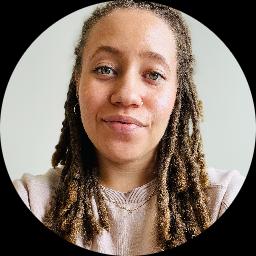
About Sydnie
Sydnie Spearman is an LCPC (Licensed Clinical Professional Counselor) in Maryland with eight years of professional experience. She works with people facing stress, anxiety, depression, addiction struggles, relationship concerns, trauma and abuse, and mood disorders. Sydnie focuses on practical support and clear conversation rather than clinical jargon.
Sydnie helps people name what feels off and makes a simple plan for next steps. Sessions involve talking through current problems, identifying unhelpful patterns, and trying small changes to see what helps. She uses approaches that center the person and emphasize practical strategies for everyday life.
Her background includes work with substance use issues and co-occurring concerns, plus experience addressing grief, anger, and self-esteem. She also supports people dealing with panic, ADHD-related challenges, and transitions into young adulthood. This breadth gives her a straightforward, problem-focused way of working.
In session she listens with attention and asks direct questions that clarify goals. Expect a mix of exploring personal stories and trying concrete tools from cognitive behavioral work. Motivational interviewing techniques are used to strengthen readiness for change when needed.
Sydnie practices in Maryland and conducts sessions in English. If someone wants to begin, they select the online therapy options button, complete a short matching questionnaire, and schedule a first session. Costs vary with location and use a subscription that can be canceled at any time.
How Sydnie uses online sessions and therapeutic approaches
Sydnie uses client-centered therapy to focus on each person's concerns and preferences. This approach involves listening closely and following what the person wants to work on, which helps with issues like low mood or relationship strain.She also uses cognitive behavioral therapy, which looks at thoughts and behaviors that keep problems going. CBT provides straightforward tools for managing anxiety, depressive patterns, and mood swings by changing unhelpful thinking and testing new behaviors.
Motivational interviewing is used when someone is weighing change, such as with substance use or new coping habits. It involves asking questions that help a person notice their own reasons for change and build confidence to act.
Finding the right approach is part of the work. Sydnie will discuss options and help decide what fits best based on the person's goals and preferences. Sessions are collaborative and adjusted as progress and needs become clearer.
Session formats are not specified in the biography, so confirm current online options before booking. Online sessions can make it easier to fit counseling into a busy week, reduce travel time, and allow for shorter check-ins when needed. Ask about available session styles when arranging the first appointment to match practical needs.
Areas of expertise
Primary focus
Also works with
Additional focus areas
Therapeutic approaches
Experience
8+ years
Credentials
Maryland
Languages
English
Frequently asked questions
What kinds of problems does she address?
She works with stress, anxiety, depression, addictions, relationship concerns, trauma and abuse, and related mood concerns.
What is her therapeutic style?
She combines client-centered work with practical tools from cognitive behavioral therapy and motivational interviewing to help people try small, useful changes.
How much clinical experience does she have?
She has eight years of professional experience working in counseling settings.
What are her credentials and where does she practice?
She is an LCPC licensed in Maryland and provides services based in Maryland.
Which languages are supported?
Sessions are offered in English.
Can people outside the United States work with her?
She does not accept international clients at this time.
How are sessions arranged and what does it cost?
Cost varies with location and services use a subscription that can be canceled at any time.
How do I begin a first session?
Select the See online therapy options button, complete a short matching questionnaire, and schedule a first session.
Before you reach out
- Check that the state license on record covers the state you live in.
- You do not need a diagnosis or the right words. Saying "my mood has been up and down" or "I have felt low for weeks" is a fine place to start.
- Counselors offer talking support. Questions about medication belong with a doctor or psychiatrist, and the two can go side by side.
- A profile shows the topics a counselor lists; it is not a diagnosis or a promise of any result.
If you feel unsafe right now, call or text 988, or call 911.