- Stress and anxiety
- Relationship issues
- Family conflict
About Tabara
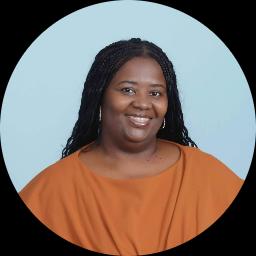
Tabara Etiaka is a Licensed Marriage and Family Therapist (LMFT) in California with 19 years of professional experience. She helps people dealing with stress, anxiety, relationship concerns, family conflicts, low motivation, self-esteem difficulties, and depression. Sessions are described as places to talk through thoughts and feelings without judgment.
With nearly two decades in practice, she has worked with a variety of issues related to family dynamics and mood regulation. She assists people who struggle with communication problems, family of origin issues, and problems that arise from domestic violence or past sexual trauma. She also supports those coping with guilt, shame, isolation, and post-traumatic stress.
Her approach focuses on building a practical working relationship. She encourages honest conversation and helps people identify small, manageable steps toward improved day-to-day functioning. Conversations often include clarifying relationship patterns and practicing clearer ways to express needs.
When depression or mood swings are present, she helps clients notice patterns that maintain low mood and tests concrete strategies to change those patterns. Work may include addressing stresses around pregnancy and childbirth when that is part of a client’s situation.
Tabara asks people to be brave about beginning therapy and aims to make the first steps straightforward. To get started she directs people to a short matching questionnaire and scheduling process so they can arrange an initial session.
How evidence-based approaches are used in online sessions
Tabara draws on evidence-based therapeutic techniques to address mood and relationship concerns. One approach focuses on identifying unhelpful patterns of thought and behavior and testing small changes to reduce low mood and anxiety. This method helps people notice what keeps problems going and try realistic alternatives.Another approach attends to interaction patterns in relationships and family systems. It looks at how communication and roles contribute to stress and conflict, and it practices clearer ways to express needs and set boundaries.
Choosing the right approach is a collaborative process. The therapist will work with each person to review their goals and preferences, then select or adapt techniques that fit the problem and what the client is willing to try.
The practical benefits of remote sessions depend on the formats offered, which are not specified in the biography. Please confirm current session options before booking. Online work can make it easier to fit appointments into a busy week, reduce travel time, and allow for shorter check-ins when needed. Therapists and licensed professionals commonly use these advantages to keep progress steady while fitting therapy into everyday life.
Areas of expertise
Primary focus
Additional focus areas
Experience
19+ years
Credentials
California
Languages
English
Frequently asked questions
What concerns does she commonly address?
She works with stress, anxiety, relationship and family problems, low self-esteem, depression, and mood disorders.
What is her therapy style like?
She focuses on open conversation and practical steps. Sessions aim to clarify patterns and try manageable changes.
How much experience does she have?
She has 19 years of professional work experience helping people with relationship and mood concerns.
What credential does she hold and where does she practice?
She is a Licensed Marriage and Family Therapist (LMFT) licensed in California.
Are sessions offered in other languages or internationally?
Sessions are offered in English and she is not accepting international clients.
Which session formats are available?
The original biography does not list specific session formats; please confirm current session options before booking.
How does payment work and what does it cost?
Cost varies with location and sessions use a subscription model that can be canceled at any time.
How do I begin working with her?
Select the See online therapy options button, complete the short matching questionnaire, and schedule a first session.
Before you reach out
- Check that the state license on record covers the state you live in.
- You do not need a diagnosis or the right words. Saying "my mood has been up and down" or "I have felt low for weeks" is a fine place to start.
- Counselors offer talking support. Questions about medication belong with a doctor or psychiatrist, and the two can go side by side.
- A profile shows the topics a counselor lists; it is not a diagnosis or a promise of any result.
If you feel unsafe right now, call or text 988, or call 911.