- Stress and depression
- Addictions support
- Workplace issues
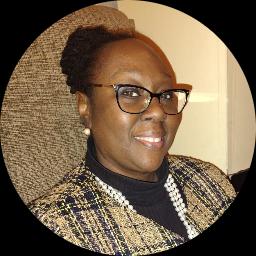
About Tahira
Tahira Lodge is an MA LMHC practicing in Massachusetts with 25 years of experience. She works with people facing stress, anxiety, addictions, anger, depression, and mood disorders. She also helps those looking for clarity about life purpose, self-love, social anxiety and workplace struggles.
Tahira uses approaches grounded in evidence and practical steps. She draws on Cognitive Behavioral Therapy and solution-focused methods to help people notice patterns, try different responses, and set small achievable goals. Motivational interviewing is used to support people who want to change habits tied to addiction or motivation.
Sessions tend to focus on the immediate problems you bring and on building skills to cope between meetings. Conversations aim to be direct and respectful, with attention to what works for each person. The therapist emphasizes collaboration and works at a pace that fits the client.
With many years of practice, Tahira has supported people through life transitions and persistent low mood. Her work includes addressing workplace stress and social anxiety alongside core mood concerns. She frames progress as a series of manageable steps rather than a single outcome.
People who speak English can work with her. International clients are not currently accepted. Before booking, confirm current session options and practical details so you know how to proceed.
How evidence-based methods are used in online sessions
Tahira works with well-established techniques in a practical way. Cognitive Behavioral Therapy helps people identify unhelpful thoughts and try different responses; it is often used for low mood, anxiety, and social fear. Solution-Focused Therapy centers short-term goal work and concrete steps, which can be useful when someone wants quick changes or clearer direction.She also uses motivational interviewing to support people working on behavior change related to addictions or habits. That method focuses on exploring personal reasons for change and strengthening commitment without pressure. The therapist treats finding the right approach as a joint process and will discuss options together based on your needs and goals.
Confirm current session options before booking since specific formats are not listed in the biography. Many people find online sessions help fit therapy into a busy life by reducing travel and making it easier to schedule around work or family tasks. Others prefer a shorter check-in when bandwidth is limited. The therapist will work with you to match session length and frequency to what fits your routine and therapeutic aims.
Areas of expertise
Primary focus
Additional focus areas
Experience
25+ years
Credentials
Massachusetts
Languages
English
Frequently asked questions
What concerns does she address?
She works with stress, anxiety, addictions, anger, depression, and mood disorders, plus related issues like life purpose and workplace problems.
What is her therapeutic approach and style?
Her work uses evidence-based techniques with a practical focus, emphasizing collaborative goal-setting and skill practice between sessions.
How many years has she practiced?
She has 25 years of experience working with people across a range of life challenges and transitions.
What are her credentials and where is she based?
She holds an MA and is an LMHC based in Massachusetts.
Which languages are supported?
Sessions are offered in English.
Can international clients work with her?
International clients are not currently accepted.
How are sessions paid for?
Cost varies with location; sessions use a subscription that can be canceled at any time.
How do I begin a first session?
Click the See online therapy options button, complete a short matching questionnaire, and schedule your first session.
Before you reach out
- Check that the state license on record covers the state you live in.
- You do not need a diagnosis or the right words. Saying "my mood has been up and down" or "I have felt low for weeks" is a fine place to start.
- Counselors offer talking support. Questions about medication belong with a doctor or psychiatrist, and the two can go side by side.
- A profile shows the topics a counselor lists; it is not a diagnosis or a promise of any result.
If you feel unsafe right now, call or text 988, or call 911.