- Stress and anxiety
- Trauma and abuse
- Client-centered approach
About Tosha
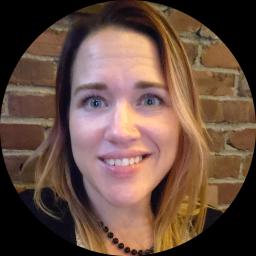
Tosha Honey is an LPC - Licensed Professional Counselor in Arkansas with nine years of experience. She works with stress, anxiety, relationship and family concerns, trauma and abuse, and issues around self-esteem. She also addresses attachment concerns, blended family challenges, body image, codependency, and related difficulties.
Tosha spent several years working in agency settings, including school-based counseling and an intensive day treatment program. That background means she is familiar with crisis-influenced stress, family conflict, and complex trauma reactions. She uses practical strategies that clients can try between visits rather than only talking about problems.
Her main approach is client-centered therapy, which focuses on listening and responding to what a person needs in the moment. She also draws on cognitive behavioral therapy and mindfulness techniques to help people identify patterns of thinking and build coping skills. Solution-focused and trauma-focused methods are used when they fit the goals of the person in session.
Tosha has supervised newer therapists entering clinical work, adding experience coaching others on treatment planning and casework. She frames sessions around clear goals and small, actionable steps to address specific problems like communication breakdowns, impulsivity, or feelings of emptiness.
People meet her to talk through relationship strain, family problems, separation or divorce, or to manage intense mood swings and isolation. Sessions emphasize practical tools, clearer communication, and steady steps toward everyday changes.
Online approaches and how they fit into remote sessions
Client-centered therapy focuses on listening and responding to what a person needs in the moment. Online sessions using this approach emphasize open conversation, reflective listening, and adapting pace and questions to what feels most helpful. Cognitive behavioral therapy (CBT) looks at how thoughts, feelings, and actions connect and teaches skills to test and change unhelpful thinking. Delivered remotely, CBT often uses short exercises and homework between appointments to build new habits. Mindfulness therapy teaches simple attention and breathing practices to reduce reactivity and improve moment-to-moment awareness; these exercises can be guided during a session and practiced afterward for steady benefit.Finding the right mix of methods is part of the work. The therapist will collaborate with each person to choose approaches based on their needs, goals, and preferences, and will adjust methods as progress is tracked. That means a plan may include listening-focused sessions, skill-building work, or short solution-focused meetings depending on current priorities.
Session formats are not specified in the original biography, so confirm current options before booking. Online sessions can make it easier to fit appointments into a weekday or work break, allow shorter check-ins when needed, and reduce travel time. These practical benefits help people maintain continuity of care while trying different strategies for mood, stress, and relationship issues.
Areas of expertise
Primary focus
Additional focus areas
Therapeutic approaches
Experience
9+ years
Credentials
Arkansas
Languages
English
Frequently asked questions
What kinds of concerns does she address?
Tosha works with stress, anxiety, relationship and family concerns, trauma and abuse, and self-esteem issues. She also focuses on attachment, blended family problems, body image, codependency, and related topics.
What therapeutic approaches does she use?
Her practice is mainly client-centered, with techniques from cognitive behavioral therapy, mindfulness, solution-focused work, and trauma-focused methods added as needed. She matches methods to each person's goals and situation.
How much experience does she have?
She has nine years of professional counseling experience, including work in schools and an intensive day treatment program.
What are her credentials and where is she based?
She is an LPC - Licensed Professional Counselor in Arkansas and provides services from that state.
Which languages are used in sessions?
Sessions are offered in English.
Can people outside the United States work with her?
She does not accept international clients at this time.
How are sessions paid for and billed?
Costs vary with location and sessions use a subscription that can be canceled at any time.
How do I begin if I want to work with her?
Start by selecting the See online therapy options button, complete the short matching questionnaire, and then schedule a first session.
Before you reach out
- Check that the state license on record covers the state you live in.
- You do not need a diagnosis or the right words. Saying "my mood has been up and down" or "I have felt low for weeks" is a fine place to start.
- Counselors offer talking support. Questions about medication belong with a doctor or psychiatrist, and the two can go side by side.
- A profile shows the topics a counselor lists; it is not a diagnosis or a promise of any result.
If you feel unsafe right now, call or text 988, or call 911.