- Mood disorders
- Attachment work
- Mindfulness methods
About Victoria
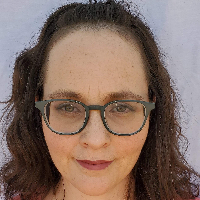
Victoria Cannon is an LCSW (Licensed Clinical Social Worker) with 13 years of experience based in Arizona. She works with people dealing with anxiety, trauma, depression, and related concerns such as mood disorders and relationship problems. She uses practical talk and skill-building to help people manage painful feelings and upsetting patterns.
She focuses on how the past and present connect, particularly around attachment and traumatic experiences. Sessions often look at relationship patterns and how they affect current life. She helps people identify unhelpful habits and try new ways of relating to themselves and others.
Her approach emphasizes developing coping skills that can be used day to day. Mindfulness and acceptance strategies are used alongside work on emotions and connection. Motivational interviewing ideas are sometimes used to support readiness for change.
Victoria places importance on building a working relationship as the basis for progress. Early sessions concentrate on getting to know goals and practical priorities. From there she and the person work out what small changes could make life feel more manageable.
She supports people coping with a wide range of concerns including loss, parenting stress, anger, eating and food-related issues, postpartum mood changes, and addiction-related worries. Her methods aim to reduce overwhelming feelings and increase choices for action.
Victoria uses she/her pronouns. The profile notes that she is currently working with messaging-based clients, and readers should confirm session options before booking.
Therapeutic approaches and how online work fits in
Acceptance and Commitment Therapy (ACT) invites people to notice painful thoughts and feelings without getting stuck in them, then choose actions that align with personal values; it can help with persistent low mood and worry. Attachment-Based Therapy looks at how early relationship patterns shape current ways of relating and feeling, and it can help people change repeated relationship cycles.Finding the right approach is part of the work. The therapist will talk with each person about goals, symptoms, and what feels most helpful, and then they will try methods together to see what fits. That collaborative testing helps guide whether to focus more on acceptance skills, attachment patterns, or emotional processing.
The profile indicates sessions are offered through messaging-based work at this time, so confirm the current session options before booking if you need audio or video. Online approaches can make it easier to fit therapy into a busy week, allow shorter check-ins when life gets hectic, and remove travel time so people can use appointment slots around work or childcare. Many people find that doing focused practice and skill-building between messages or sessions helps translate therapy into everyday life.
Areas of expertise
Primary focus
Also works with
Additional focus areas
Therapeutic approaches
Experience
13+ years
Credentials
Arizona
Languages
English
Frequently asked questions
What issues does she address?
She works with anxiety, depression, trauma, mood disorders, relationship problems, grief, and related concerns such as eating issues and parenting stress.
What is her general approach in sessions?
She combines acceptance and mindfulness strategies with attachment-focused work and emotion-focused methods to build coping skills and improve relationship patterns.
How much clinical experience does she have?
She has 13 years of experience as a practicing clinician in mental health settings.
What are her credentials and where is she based?
She is an LCSW (Licensed Clinical Social Worker) licensed in Arizona and practices from that state.
Which languages are offered for sessions?
Sessions are offered in English.
Does she work with international clients?
She is not currently accepting international clients.
How are sessions arranged and what does it cost?
Cost varies with location and sessions use a subscription model that can be canceled at any time.
How do I begin if I want to book a session?
Click the See online therapy options button, complete a short matching questionnaire, and then schedule a first session.
Before you reach out
- Check that the state license on record covers the state you live in.
- You do not need a diagnosis or the right words. Saying "my mood has been up and down" or "I have felt low for weeks" is a fine place to start.
- Counselors offer talking support. Questions about medication belong with a doctor or psychiatrist, and the two can go side by side.
- A profile shows the topics a counselor lists; it is not a diagnosis or a promise of any result.
If you feel unsafe right now, call or text 988, or call 911.