- CBT methods
- Client-centered work
- Trauma-focused care
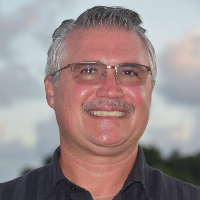
About Abraham
Abraham Knowles is an LCSW - Licensed Clinical Social Worker in Florida with 25 years of experience. He works with people facing stress, anxiety, depression, trauma, and related concerns such as mood changes, addiction, and relationship strain.
He earned master's degrees in Social Work and Public Health from the University of South Florida in 1995 and has worked across school settings, community mental health, substance abuse services, and home health. That range means he has supported people in one-to-one therapy, group settings, and through case management roles.
In sessions he leans on cognitive behavioral ideas and client-centered ways of working. He listens to what matters most to the person and then helps them try clearer ways of thinking and small, practical steps to change behavior. He also uses trauma-focused methods when past hurt is part of the concern.
Common issues he addresses include low mood, panic and anxiety, post-traumatic stress, addictions, sleep and eating concerns, and trouble coping with life changes. He also helps people who feel isolated, empty, or unsure about life purpose, and those managing communication and family problems.
His background includes long involvement with youth through church volunteering and decades of hands-on social work in Florida. He describes therapy as a collaborative process of listening, planning, and working toward reduced symptoms and better daily functioning.
Outside work he spends time with family, reads, and enjoys theater and movies. He welcomes a conversation about how to begin and asks that prospective clients follow the site's steps to match and schedule a first session.
How Abraham integrates approaches for online sessions
Abraham often combines client-centered work and cognitive behavioral therapy in his sessions. Client-centered work means focusing on what the person says matters most and listening without judgment. Cognitive behavioral therapy focuses on spotting unhelpful thoughts and testing small behavior changes to see what helps with mood and anxiety.He also draws on trauma-focused therapy when past events are part of someone's current struggles. Trauma-focused methods aim to process distressing memories in ways that reduce their impact on daily life and improve coping skills.
Finding the right approach is part of the work together. He will talk with the client about goals and preferences and suggest which methods to try first. That decision is collaborative and can change over time as needs evolve.
The practical benefits of doing this work remotely depend on available session formats. The biography does not list which formats are offered, so confirm current options before booking. Online sessions can make it easier to fit therapy into a workday, allow a shorter check-in without travel, or remove the need to be on camera for some meetings. Licensed professionals adapt techniques used in person so conversations, thought exercises, and homework remain useful across remote formats.
Areas of expertise
Primary focus
Also works with
Additional focus areas
Therapeutic approaches
Experience
25+ years
Credentials
Florida
Languages
English
Frequently asked questions
What concerns does he work with?
He works with stress, anxiety, depression, trauma, addictions, mood disorders, and related issues like sleep, eating, and relationship problems.
What is his therapy style?
He uses client-centered listening paired with cognitive behavioral techniques and trauma-focused methods when appropriate.
How much experience does he have?
He has 25 years of experience working in schools, community mental health, substance abuse services, and home health in Florida.
What are his credentials and where is he based?
He is an LCSW - Licensed Clinical Social Worker licensed in Florida and practices from that state.
Can I work with him if I live outside the United States?
He accepts international clients. Sessions are offered in English.
What session formats are available?
Please confirm current session options before booking, as the biography does not list specific formats.
How does cost work?
Cost varies with location and sessions use a subscription that can be canceled at any time.
How do I begin a first session?
Use the See online therapy options button, complete the short matching questionnaire, and then schedule a first session.
Before you reach out
- Check that the state license on record covers the state you live in.
- You do not need a diagnosis or the right words. Saying "my mood has been up and down" or "I have felt low for weeks" is a fine place to start.
- Counselors offer talking support. Questions about medication belong with a doctor or psychiatrist, and the two can go side by side.
- A profile shows the topics a counselor lists; it is not a diagnosis or a promise of any result.
If you feel unsafe right now, call or text 988, or call 911.