
Nancy Arnovits
LCSWFlorida · 32 yrs exp
Licensed Clinical Social Worker - Mood and Stress concerns
Stress, Anxiety · Trauma and abuse · Grief · Depression · +14 more
Read profileTherapist listings come from BetterHelp. We will earn a commission at no extra cost to you if you use our links to buy.
Welcome to MoodCounselors.org’s directory of licensed online therapists serving Florida. Every therapist listed here holds a Florida license; explore profiles to compare approaches, languages, credentials, and experience.
Use the listings to find therapists who fit your needs and learn what to look for when starting online therapy.
Florida · 32 yrs exp
Licensed Clinical Social Worker - Mood and Stress concerns
Stress, Anxiety · Trauma and abuse · Grief · Depression · +14 more
Read profile
Florida · 3 yrs exp
FL Psychologist - Mood and Relationships
Stress, Anxiety · Relationship · Family · Grief · +13 more
Read profile
Florida · 20 yrs exp
LCSW - Mood and relationship concerns
Stress, Anxiety · Relationship · Self esteem · Depression · +1 more
Read profile
Florida · 35 yrs exp
LCSW - Mood and life transitions
Relationship · Grief · Depression · Coping with life changes · +10 more
Read profile
Florida · 5 yrs exp
LCSW in Florida - Depression and Anxiety
Trauma and abuse · Grief · Depression · ADHD · +7 more
Read profile
Florida · 3 yrs exp
Licensed Mental Health Counselor - Mood and Relationships
LGBT · Relationship · Trauma and abuse · Grief · +1 more
Read profile
Florida · 11 yrs exp
Licensed Mental Health Counselor - Mood and Addiction concerns
Addictions · Trauma and abuse · Grief · Bipolar · +1 more
Read profile
Florida · 15 yrs exp
LCSW in Florida - Mood and relationship support
Stress, Anxiety · Relationship · Grief · Self esteem · +1 more
Read profile
Florida · 3 yrs exp
Licensed Clinical Social Worker - Mood and Stress
Stress, Anxiety · Relationship · Self esteem · Depression · +1 more
Read profile
Florida · 26 yrs exp
LCSW - Mood and addiction concerns
Addictions · LGBT · Relationship · Trauma and abuse · +1 more
Read profile
Florida · 28 yrs exp
Licensed Clinical Social Worker - Mood and Anxiety
Stress, Anxiety · Addictions · Grief · Self esteem · +1 more
Read profile
Florida · 4 yrs exp
Licensed Mental Health Counselor - Mood disorders, Anxiety
Stress, Anxiety · Trauma and abuse · Self esteem · Bipolar · +1 more
Read profile
Florida · 16 yrs exp
Licensed Clinical Social Worker - Mood and Stress
Stress, Anxiety · Trauma and abuse · Grief · Self esteem · +10 more
Read profile
Florida · 20 yrs exp
Licensed Mental Health Counselor - Mood and Relationships
Stress, Anxiety · Relationship · Family · Self esteem · +9 more
Read profile
Florida · 11 yrs exp
LMFT - Relationships and Mood Concerns
Relationship · Family · Trauma and abuse · Parenting · +14 more
Read profile
Florida · 9 yrs exp
LCSW - Mood and life change support
Stress, Anxiety · Trauma and abuse · Grief · Depression · +12 more
Read profile
Florida · 20 yrs exp
Florida LCSW - Mood and life challenges
Stress, Anxiety · Family · Grief · Career · +1 more
Read profile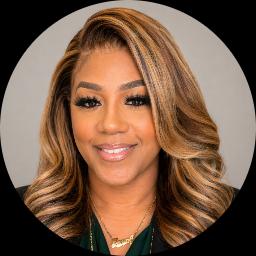
Florida · 17 yrs exp
Florida LMHC - Mood and Relationship concerns
Stress, Anxiety · Addictions · Relationship · Family · +14 more
Read profile
Florida · 20 yrs exp
LCSW - Mood and anxiety support
Stress, Anxiety · Addictions · Grief · Depression · +1 more
Read profile
Florida · 24 yrs exp
LMHC in Florida - Mood and life changes
Stress, Anxiety · Grief · Depression · Coping with life changes · +13 more
Read profile
Florida · 4 yrs exp
LCSW - Mood and anxiety support
Stress, Anxiety · Trauma and abuse · Depression · Coping with life changes · +1 more
Read profile
Florida · 5 yrs exp
LMHC - Mood and Anxiety support
Stress, Anxiety · LGBT · Relationship · Trauma and abuse · +1 more
Read profile
Florida · 25 yrs exp
Florida LMHC - Mood and stress concerns
Stress, Anxiety · Addictions · Relationship · Depression · +1 more
Read profile
Florida · 6 yrs exp
LCSW - Mood and relationship concerns
Stress, Anxiety · Trauma and abuse · Self esteem · Career · +12 more
Read profileOnline therapy has become a regular option for many people in Florida, offering sessions by video or phone across the state. You can connect with counselors licensed in Florida regardless of where you live within the state, which makes it easier to receive professional support without long commutes. Regulations for telehealth and remote mental health services in Florida require that clinicians be licensed in the state when providing ongoing therapy. That means when you search this directory you are seeing profiles of clinicians who have a Florida license. Your choice of therapist may depend on the kinds of approaches they list, the languages they speak, their experience with particular populations, and how they describe their approach to therapy. Because online formats vary, you can also look for mentions of session length, communication methods, and what to expect during an initial meeting. Understanding how online therapy typically works will help you decide whether remote sessions suit your needs and lifestyle.
Online therapy can offer practical advantages that matter in everyday life. If you live in a rural area of Florida or have limited transportation options, you can access support without traveling long distances. If you have a busy schedule or family responsibilities, online sessions by video or phone can be easier to fit in between obligations. Many people find that virtual sessions make it simpler to maintain regular contact with a therapist during life transitions, relocation, or when seasonal commitments change. Online formats can also expand your choice of clinicians, allowing you to seek someone who shares your language, cultural background, or therapeutic approach even if they practice from a different city. While online therapy works well for many concerns, it requires thoughtful attention to technology, privacy protections, and the environment where you meet. You should plan where you will take calls or join video sessions so you can speak freely and focus on the work, and make sure your internet connection and device support the session type you prefer.
Therapists offering online services in Florida address a wide range of emotional and behavioral concerns. Many people reach out for help with anxiety, depression, stress related to work or family life, grief and loss, relationship struggles, and coping with major life changes. Others seek support for trauma-related symptoms, addictive behaviors, attention challenges, or parenting and family dynamics. You will also find therapists who list specialty approaches for issues such as LGBTQ+ related concerns, chronic illness adjustment, or cultural and identity matters. When reviewing profiles, notice how a therapist describes the populations they work with and the kinds of issues they focus on. Some clinicians indicate experience supporting adults, adolescents, couples, or families, while others describe work with specific life stages or communities. Because online therapy can be adapted to many needs, you should think about what outcome you hope to achieve and look for a therapist who describes relevant experience and compatible approaches in their profile.
Verifying licensure is an important step when you are considering online therapy. In Florida, you can check a therapist’s license through the Florida Department of Health license verification service and the relevant state licensing boards. Look for the clinician’s full name and license number on the profile, then use the state site to confirm that the license is active, view the license type, and review any public disciplinary history. Pay attention to the license designation, for example licensed clinical social worker, licensed mental health counselor, or licensed marriage and family therapist, so you understand the scope of practice associated with that credential. The state database will also show expiration dates and any public orders, which can help you feel informed about a clinician’s standing. If a therapist includes professional credentials on their profile, you can cross-check those details as well, keeping in mind that an approach listed on a profile does not by itself indicate specific certification or training. If you have questions about the license information you find, you can contact the Florida Department of Health for clarification about public records related to a license.
Getting started usually begins with reviewing profiles to identify therapists whose descriptions align with your needs. Consider the approaches they list, the populations they describe, and any languages they speak. Reach out through the contact method on the profile to request information about session formats, fees, and the process for new clients. When you contact a clinician, ask about the technology platform they use, whether sessions are by video or phone, and what kind of intake paperwork is required. Make sure you understand payment methods, cancellation policies, and whether the clinician accepts your insurance or offers a sliding scale. You should also ask about how information-sharing boundaries and privacy are handled in telehealth sessions and what kinds of privacy safeguards are in place for electronic communications. Plan to join your first session from a quiet space where you can speak openly, and test your camera, microphone, and internet connection ahead of time to reduce interruptions.
In the first few sessions you will likely discuss your reasons for seeking therapy, relevant history, and goals you hope to work toward. A therapist will often explain their approach and what a typical session looks like so you know what to expect. Use the early meetings to notice how the therapist listens, how they explain options for treatment, and whether their style feels like a good match for you. You can ask about how progress is tracked, how long the therapist typically works with clients on similar concerns, and how to handle communications between sessions. While there is no guarantee about length of treatment, clear communication about expectations and roles can help you make an informed decision about continuing.
Choosing a therapist is a personal process that depends on your priorities and the kind of work you want to do. Start by defining a few priorities such as the issues you want to address, the therapeutic approaches you prefer, language needs, cultural considerations, or life stage experience. When reviewing profiles, consider whether a therapist’s described approach feels like a fit and whether they indicate experience with concerns similar to yours. Pay attention to how comfortable you feel during initial conversations - rapport matters, and it is reasonable to switch if the fit does not feel right. Ask practical questions about session length, communication boundaries, and how records are maintained so you understand the administrative side of care. If cost is a concern, inquire about fees, insurance billing, or sliding scale options. Lastly, trust your judgment about personal fit; your sense of being heard and respected in early sessions is a strong indicator of whether the clinician can support the work you want to do.
Online therapy in Florida offers many pathways to find support that aligns with your needs. By checking licensure, evaluating therapist descriptions, preparing for the first session, and prioritizing fit, you can make a thoughtful choice about the clinician you want to work with. Use the directory to narrow your options, learn about approaches and experience, and take the next step toward finding a therapist who can partner with you on your goals.
Addictions
2600 therapists
ADHD
2285 therapists
Anger
3004 therapists
Bipolar
2542 therapists
Control Issues
2741 therapists
Depression
5371 therapists
Grief
3505 therapists
Guilt and Shame
4302 therapists
Impulsivity
2693 therapists
Isolation / Loneliness
4159 therapists
Midlife Crisis
1992 therapists
Panic Disorder and Panic Attacks
3340 therapists
Post-Traumatic Stress
4048 therapists
Postpartum Depression
1675 therapists
Seasonal Affective Disorder (SAD)
2093 therapists
Self Esteem
4697 therapists
Sleeping Disorders
1134 therapists
Social Anxiety and Phobia
4120 therapists
Stress & Anxiety
5686 therapists
Trauma and Abuse
4339 therapists
Abandonment
2687 therapists
Attachment Issues
2970 therapists
Body Image
2017 therapists
Career
2259 therapists
Caregiver Issues and Stress
3096 therapists
Codependency
2279 therapists
Communication Problems
4700 therapists
Compassion Fatigue
2173 therapists
Coping with Life Changes
4286 therapists
Divorce
2943 therapists
Family
3378 therapists
Forgiveness
3727 therapists
Life Purpose
4129 therapists
Parenting
2741 therapists
Relationship
4099 therapists
Self-Love
4202 therapists
Workplace Issues
2932 therapists