- Client-Centered Therapy
- Cognitive Behavioral Therapy
- Emotionally-Focused Therapy
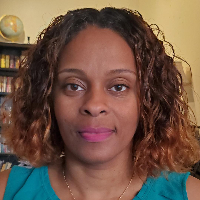
About Adrienne
Adrienne Parker is a Licensed Professional Counselor (LPC) in Texas with 11 years of experience. She works with adults dealing with stress, anxiety, depression, mood swings, addiction concerns, and relationship or family issues. She also addresses trauma and abuse, grief, ADHD, and the strain of parenting and career changes.
Adrienne draws on client-centered and goal-focused methods to help people sort through problems and make practical changes. Sessions are direct and straightforward. She aims to help people build skills they can use between meetings. The work often focuses on workable steps rather than long explanations.
Her background includes roles in inpatient and outpatient mental health settings. That experience informs how she approaches crises and ongoing care. Adrienne uses tools from cognitive behavioral approaches and emotionally-focused ideas to look at thoughts, feelings, and patterns that keep problems going.
In sessions she helps people identify goals, test small changes, and track progress. She pays attention to how relationships and communication affect mood and behavior. People who want clear feedback and concrete strategies may find this style helpful.
Adrienne also works with less common or sensitive concerns, including non-monogamous relationship dynamics, kink and alternative sexual culture, dissociation, and multicultural issues. She encourages honest conversation about identity, values, and boundaries as part of problem solving.
How Adrienne’s approaches translate to online sessions
Adrienne uses client-centered work and cognitive behavioral ideas to help people clarify goals and try small changes that affect mood. Client-centered therapy focuses on listening and reflecting so a person can find their own solutions. Cognitive Behavioral Therapy looks at unhelpful thinking and behavior patterns and teaches practical skills for managing anxiety, low mood, and impulsivity.Finding the right approach is part of the work. Adrienne will collaborate with each person to decide which methods suit their needs, goals, and comfort level. She checks in about what is or isn’t helping and adjusts the plan over time so sessions stay useful and relevant.
The biography does not list specific session formats, so confirm the available options before booking. When online sessions are offered, they can make it easier to fit meetings into a busy week, reduce travel time, or allow brief check-ins when needed. Some formats let people focus on talking without video, which can help during a short break or when bandwidth is limited. Overall, online work aims to bring therapeutic tools into everyday life without requiring long commutes or major schedule changes.
Areas of expertise
Primary focus
Also works with
Additional focus areas
Therapeutic approaches
Experience
11+ years
Credentials
Texas, Tennessee, Wisconsin, Michigan
Languages
English
Frequently asked questions
What concerns does she address?
She works with stress, anxiety, depression, mood disorders, trauma, addictions, relationship and family problems, and related issues such as ADHD and grief.
What style of therapy does she use?
Her approach is direct and goal oriented, drawing on client-centered work, CBT, EFT, psychodynamic ideas, and solution-focused techniques to create practical steps.
How much experience does she have?
Adrienne has 11 years of experience in mental health, including both inpatient and outpatient settings.
What are her credentials and where is she based?
She is a Licensed Professional Counselor (LPC) with licensure in Michigan and Texas, and she practices from Texas.
Does she work in languages other than English?
Sessions are offered in English.
What session formats are available?
The original biography did not specify session formats; confirm current session options before booking.
How much do sessions cost?
Cost varies with location, and sessions use a subscription that can be canceled at any time.
How do I begin working with her?
Select the See online therapy options button, complete a short matching questionnaire, and schedule a first session.
Before you reach out
- Check that the state license on record covers the state you live in.
- You do not need a diagnosis or the right words. Saying "my mood has been up and down" or "I have felt low for weeks" is a fine place to start.
- Counselors offer talking support. Questions about medication belong with a doctor or psychiatrist, and the two can go side by side.
- A profile shows the topics a counselor lists; it is not a diagnosis or a promise of any result.
If you feel unsafe right now, call or text 988, or call 911.