
Robert Nijjar
LPCLouisiana · 7 yrs exp
Licensed Professional Counselor - Mood and Anxiety
Stress, Anxiety · Addictions · Relationship · Family · +10 more
Read profileTherapist listings come from BetterHelp. We will earn a commission at no extra cost to you if you use our links to buy.
Browse therapists who list forgiveness among their specialties to find approaches, credentials, languages, and experience that match your needs. Use the listings below to compare profiles and read therapist descriptions focused on healing from betrayal, grief, and resentment.
Louisiana · 7 yrs exp
Licensed Professional Counselor - Mood and Anxiety
Stress, Anxiety · Addictions · Relationship · Family · +10 more
Read profile
North Carolina · 11 yrs exp
Licensed Clinical Mental Health Counselor - Mood and Anxiety
Stress, Anxiety · Parenting · Addictions · LGBT · +8 more
Read profile
Oklahoma · 5 yrs exp
LCSW - Depression and Addictions
Addictions · Family · Grief · Depression · +2 more
Read profile
Florida · 3 yrs exp
FL Psychologist - Mood and Relationships
Stress, Anxiety · Relationship · Family · Grief · +13 more
Read profile
Texas · 8 yrs exp
Licensed Professional Counselor - Mood and Anxiety
Stress, Anxiety · Addictions · Relationship · Grief · +13 more
Read profile
Georgia · 18 yrs exp
Licensed Professional Counselor - Mood and Trauma
Trauma and abuse · Coaching · Stress, Anxiety · Addictions · +13 more
Read profile
North Carolina · 12 yrs exp
Licensed Clinical Mental Health Counselor - Mood and Anxiety
Stress, Anxiety · Family · Self esteem · Depression · +8 more
Read profile
Louisiana · 7 yrs exp
Licensed Professional Counselor - Mood and Life Changes
Stress, Anxiety · Trauma and abuse · Self esteem · Depression · +11 more
Read profile
North Carolina · 25 yrs exp
LCSW - Mood and Trauma support
Stress, Anxiety · Relationship · Trauma and abuse · Grief · +1 more
Read profile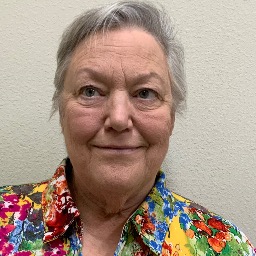
Oklahoma · 20 yrs exp
Licensed Professional Counselor - Mood and relationships
Stress, Anxiety · Relationship · Family · Trauma and abuse · +5 more
Read profile
Texas · 3 yrs exp
Licensed Clinical Social Worker - Mood and Trauma
Stress, Anxiety · Family · Trauma and abuse · Self esteem · +1 more
Read profile
Louisiana · 21 yrs exp
Licensed Clinical Social Worker - Mood and Trauma
Stress, Anxiety · Family · Trauma and abuse · Grief · +14 more
Read profile
Wisconsin · 11 yrs exp
Licensed Professional Counselor - Mood and Relationships
Stress, Anxiety · Family · Trauma and abuse · Depression · +12 more
Read profile
New Hampshire · 14 yrs exp
Licensed Clinical Mental Health Counselor - Mood and Relationships
Stress, Anxiety · Addictions · Anger · Self esteem · +6 more
Read profile
Georgia · 12 yrs exp
Licensed Professional Counselor - Mood and Relationship concerns
Stress, Anxiety · Relationship · Family · Grief · +11 more
Read profile
Delaware · 3 yrs exp
LPMHC - Mood and anxiety support
Stress, Anxiety · Trauma and abuse · Self esteem · Depression · +1 more
Read profile
New York · 7 yrs exp
Licensed Clinical Social Worker - Mood and Anxiety
Stress, Anxiety · Trauma and abuse · Parenting · Self esteem · +1 more
Read profile
Georgia · 4 yrs exp
Licensed Professional Counselor - Mood and relationship concerns
Stress, Anxiety · Relationship · Trauma and abuse · Self esteem · +1 more
Read profile
Indiana · 40 yrs exp
Licensed Mental Health Counselor - Mood and relationships
Stress, Anxiety · Relationship · Grief · Depression · +1 more
Read profile
California · 25 yrs exp
LCSW - Mood and relationship concerns
Stress, Anxiety · Relationship · Trauma and abuse · Depression · +11 more
Read profile
Florida · 5 yrs exp
LCSW in Florida - Depression and Anxiety
Trauma and abuse · Grief · Depression · ADHD · +7 more
Read profile
Michigan · 10 yrs exp
Licensed Master Social Worker - Mood and Stress
Stress, Anxiety · Self esteem · Bipolar · Depression · +6 more
Read profile
Kentucky · 3 yrs exp
LCSW - Mood and anxiety concerns
Stress, Anxiety · Relationship · Trauma and abuse · Self esteem · +1 more
Read profile
Texas · 16 yrs exp
LPC in Texas - Mood and life changes
Stress, Anxiety · Trauma and abuse · Coping with life changes · ADHD · +14 more
Read profileForgiveness is a personal process that can mean different things to different people. For some, forgiveness is about releasing a desire for revenge. For others, it is about changing how a past injury shapes daily thoughts and relationships. Forgiveness does not necessarily mean forgetting or excusing harmful behavior. Instead, it often involves redefining your relationship to what happened so it has less influence over your sense of safety and well-being.
How forgiveness affects you depends on the context of the hurt - whether it was caused by a close relationship, a workplace conflict, or a larger systemic injustice. You may notice that unresolved resentment affects your mood, your sleep, or how you interact with others. For many people, holding on to anger or blame is exhausting and can keep you replaying painful events. Therapy focused on forgiveness can help you understand the mechanics of those reactions and explore alternative ways of relating to the past while maintaining healthy boundaries in the present.
You might consider looking for a therapist who focuses on forgiveness if you find yourself repeatedly revisiting a painful event with intense feelings that interfere with daily life. If you struggle to trust people after a betrayal, feel stuck in anger, or avoid relationships to prevent being hurt again, those are common signals that this area may warrant focused attention. Physical symptoms like tense muscles, trouble sleeping, appetite changes, or frequent headaches that seem connected to rumination about past injuries can also indicate a need for support.
Another sign is when attempts at reconciliation or self-help strategies leave you feeling worse or confused about what you want. Sometimes the desire to forgive conflicts with legitimate safety concerns or the need to maintain boundaries. A therapist who lists forgiveness as a focus can help you navigate these tensions, clarify your values, and create steps that respect both your emotional needs and your personal limits.
When you begin work on forgiveness with a therapist, early sessions often involve building rapport and creating a safe setting for exploration. Your therapist will invite you to describe the hurt in your own words and to share the thoughts and feelings that keep the experience alive. You can expect a mixture of reflective listening and structured exercises designed to help you process emotions and make sense of the event in the context of your life story.
Therapy for forgiveness is usually paced according to your readiness. The goal is not to rush you into forgiving before you are ready, but to expand your choices about how to respond to the past. Your therapist may work with you to identify practical goals such as reducing intrusive thoughts, improving sleep, repairing relationships when appropriate, or strengthening boundaries. Progress often looks like greater emotional flexibility - you may still remember the hurt, but it occupies less of your mental and emotional energy.
Therapists who list forgiveness among their specialties draw from diverse approaches. Cognitive behavioral frameworks help you identify and reframe repetitive, self-defeating thoughts that perpetuate resentment. Therapists who list narrative therapy among their approaches may work with you to rewrite the story you tell yourself about the harm, emphasizing resilience and agency rather than only victimhood. Compassion-focused techniques can cultivate self-compassion and, when appropriate, empathic understanding toward others as a pathway to reducing rage and avoidance.
Some therapists who list EMDR among their approaches incorporate elements designed to reduce the emotional charge of specific memories, while others use mindfulness-based methods to help you observe painful thoughts without becoming overwhelmed by them. Acceptance and commitment-oriented work encourages you to clarify your values and choose actions that align with the life you want, even when painful memories remain. Because therapists vary in how they combine methods, you may find practitioners who blend insight-oriented conversation with experiential exercises aimed at changing how you relate to the past.
Online therapy offers a way to work on forgiveness from your home, a therapist’s office, or another comfortable environment that suits you. Sessions typically take place over video or phone, and you and your therapist will decide on session length and frequency together. Working remotely can make it easier to fit therapy into a busy schedule and can expand the pool of therapists you can consider, including those who list specialized approaches or work with particular populations.
When choosing a therapist who focuses on forgiveness, consider the approach descriptions in their profile and whether the language resonates with you. Read how they describe their work with hurt, reconciliation, and boundaries. Note the credentials listed, the populations they mention, and the languages they offer for work. It is reasonable to prefer a therapist whose profile explicitly addresses forgiveness, trauma, relational harm, or grief if those areas match your concerns.
Pay attention to practical fit as well. Think about whether you respond better to a directive approach or a reflective one, whether you want homework-style exercises or a conversational pace, and whether you would prefer someone who mentions certain approaches such as cognitive behavioral work, narrative methods, mindfulness, or EMDR among their approaches. You can also look for therapists who describe experience with relationship repair, apology processes, or setting boundaries, depending on your goals.
Finally, trust your sense of comfort in the early sessions. It is important that you feel heard and that the therapist can articulate how they would work with your situation. You can ask about the kinds of strategies they use for forgiveness work, how they help clients manage intense emotions, and how they approach reconciliation when safety is a concern. A clear description of methods and the therapist’s collaborative stance can help you decide whether a particular practitioner is a good match for your journey toward releasing the hold of past hurts.
Alabama
77 therapists
Alaska
11 therapists
Arizona
88 therapists
Arkansas
54 therapists
California
543 therapists
Colorado
123 therapists
Connecticut
55 therapists
Delaware
14 therapists
District of Columbia
13 therapists
Florida
647 therapists
Georgia
141 therapists
Hawaii
17 therapists
Idaho
36 therapists
Illinois
215 therapists
Indiana
136 therapists
Iowa
36 therapists
Kansas
50 therapists
Kentucky
118 therapists
Louisiana
118 therapists
Maine
29 therapists
Maryland
124 therapists
Massachusetts
96 therapists
Michigan
222 therapists
Minnesota
84 therapists
Mississippi
66 therapists
Missouri
146 therapists
Montana
46 therapists
Nebraska
36 therapists
Nevada
43 therapists
New Hampshire
9 therapists
New Jersey
156 therapists
New Mexico
26 therapists
New York
354 therapists
North Carolina
254 therapists
North Dakota
9 therapists
Ohio
178 therapists
Oklahoma
98 therapists
Oregon
42 therapists
Pennsylvania
221 therapists
Rhode Island
14 therapists
South Carolina
108 therapists
South Dakota
13 therapists
Tennessee
92 therapists
Texas
599 therapists
Utah
52 therapists
Vermont
14 therapists
Virginia
138 therapists
Washington
80 therapists
West Virginia
20 therapists
Wisconsin
109 therapists
Wyoming
24 therapists